U.S. Charges Ex-Cuban Leader Raúl Castro Amid Tensions
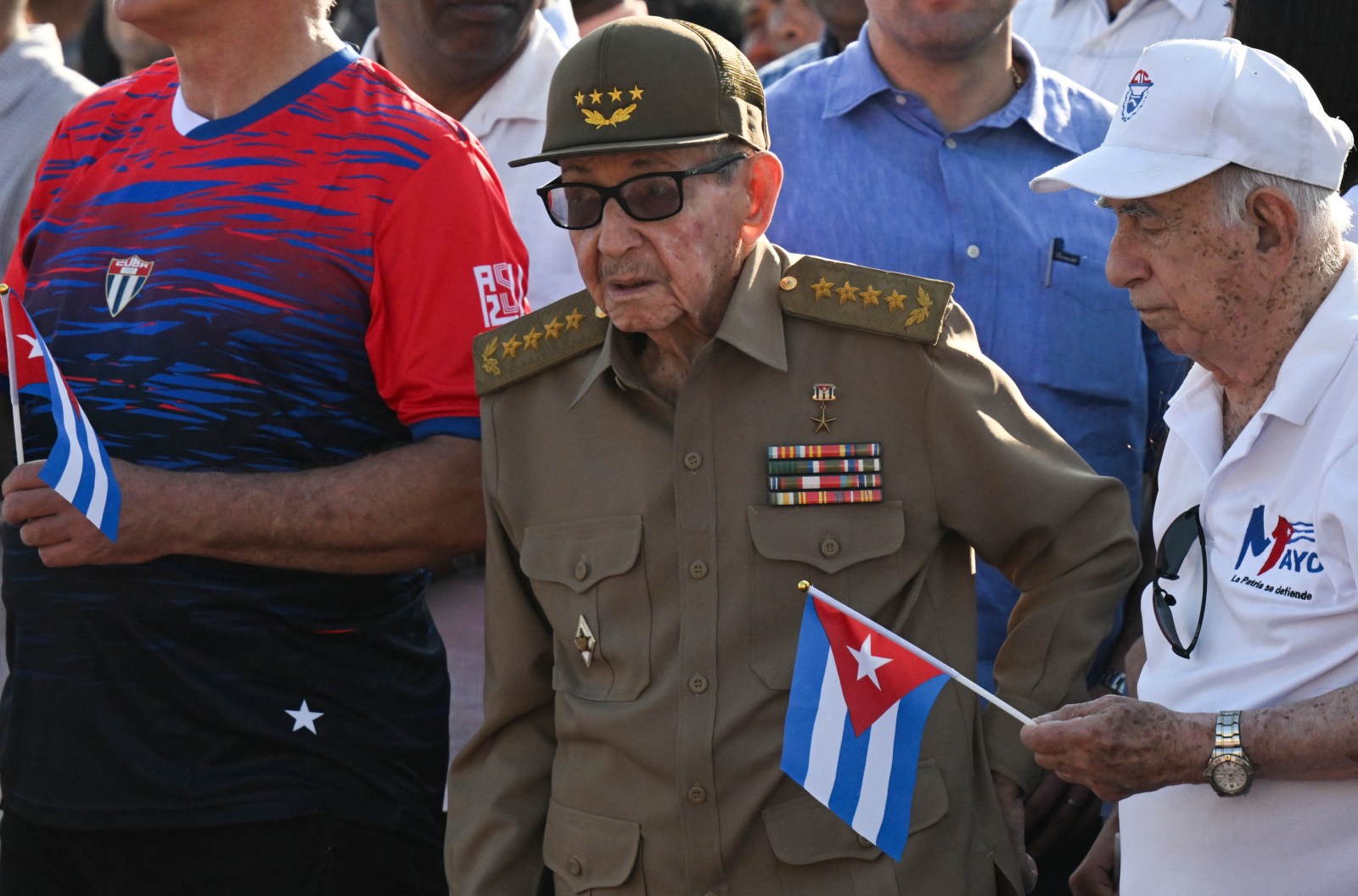
The United States has formally charged Raúl Castro, Cuba’s former President, with crimes related to the 1996 downing of two civilian aircraft. The incident resulted in the deaths of four individuals. Although Castro, now 94, is indicted, the U.S. lacks the legal jurisdiction to arrest him within Cuban territory.
During the time of the incident, Castro held the position of defense minister. U.S. officials allege that he ordered the attack on the Miami-based group Brothers to the Rescue. The group, known for its humanitarian efforts, was on a mission to rescue people fleeing Cuba by sea. The charges stem from an indictment first conceived in the 1990s, which contributed to escalating tensions between the United States and Cuba.
The resurgence of this indictment comes amid intensified pressure from the Trump administration on Cuba. Economic blockades and military threats have been part of this strategy. Notably, Secretary of State Marco Rubio recently announced $100 million in aid directly to the Cuban populace in a message delivered on Cuban Independence Day.
Background of the 1996 Shootdown
On February 24, 1996, Cuban fighter jets shot down two small aircraft from the Brothers to the Rescue group. The planes, conducting a humanitarian mission, were targeted while searching for refugees in the seas surrounding Cuba. Among the victims were three American citizens and one Cuban American.
The Cuban government defended the attack, claiming repeated airspace violations by the planes over two years. Cuba stated that it had consistently informed the U.S. and international aviation bodies about these breaches. However, the U.S. maintained that the flights were legitimate and occurred over international waters.
Cuban Government’s Position
Cuba’s embassy refuted the indictment, arguing that the shootdown was a justified reaction to multiple airspace violations. The embassy detailed over 25 such incidents and emphasized that extensive diplomatic channels were utilized before any military action was taken. They highlighted the formal notifications sent to U.S. and international agencies.
Statements from the U.S. and Cuba
President Donald Trump, in reacting to the indictment, underscored the United States’ unwillingness to tolerate threats from Cuba. Recent comments suggest potential military intervention, which aligns with ongoing strategies to exert pressure on the Cuban government.
Meanwhile, Cuba has signaled its readiness to defend against any U.S. military action. President Miguel Diaz-Canel has warned that an invasion would result in considerable conflict. U.S. intelligence has also reported Cuba’s acquisition of military drones from Russia and China.
Marco Rubio’s Cuban Independence Day Message
Marco Rubio addressed the Cuban people in a video message, asserting that the root of Cuba’s current hardships lies in governmental mismanagement rather than the U.S. blockade. Offering aid, he criticized the Cuban government and its state-run enterprises.
Economic and Social Challenges in Cuba
Cuba is experiencing significant economic distress, exacerbated by electricity shortages and limited food supplies. The U.S. administration’s strategies have further worsened conditions, leading to nationwide power outages.
Faced with potential regime change pressures, Cuban officials are preparing for the possibility of military conflict. Reports indicate the procurement of attack drones as part of defense measures.
Everyday Life Amid Power Outages
Since the beginning of the year, Cubans have endured prolonged power outages due to U.S. policies cutting off energy supplies. Occasional aid, such as a recent Russian tanker delivery, provided temporary relief but did not resolve the crisis.
As the shortages persist, residents engage in nightly protests to voice their struggles. These demonstrations, known as cacerolazos, involve residents banging pots and pans to express discontent.
While some wealthier residents have adapted by using solar technology, most Cubans face hardship. High temperatures compound these challenges, making daily life increasingly difficult.