Gun Retailer Disclosure Amid Restrictive Legislation
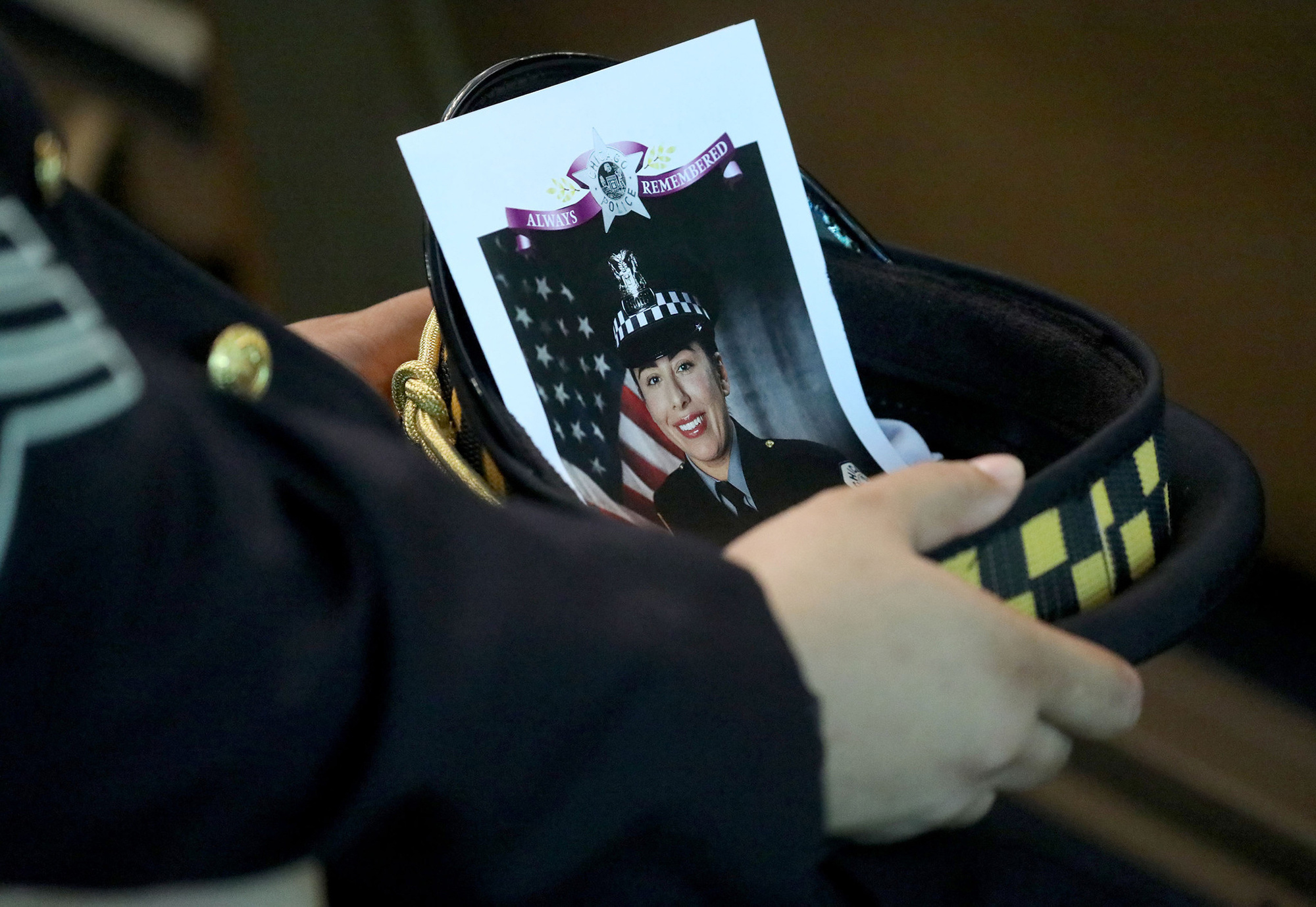
2021 Murder of Officer Ella French
In August 2021, Chicago Police Officer Ella French was tragically murdered during a traffic stop. The case has since revealed significant details about her final moments and the weapon used. However, the retail shop where the gun was purchased remained unnamed due to industry protection efforts. ProPublica uncovered the retailer’s name: Deb’s Gun Shop in Indiana.
Gun Purchase and Legal Restrictions
James Vanzant, the attorney for the convicted buyer, disclosed the retailer’s identity. The disclosure is hindered by the Tiahrt Amendment, which restricts law enforcement from sharing gun tracing data, including retailer identities. This amendment, enacted in 2003, aimed to protect retailers from being publicly associated with crimes.
Proponents argue that the amendment creates an information gap crucial to public safety. Knowing the origin of guns used in crimes can help assess whether criminal transactions are isolated incidents or part of a larger pattern.
The Path of the Gun
In March 2021, Jamel Danzy purchased the Glock at Deb’s Gun Shop and delivered it to Eric Morgan, despite knowing Morgan’s legal restrictions due to prior felony convictions. Months later, French was killed during a traffic stop involving Morgan and his brother, Emonte.
Cook County prosecutors charged the Morgan brothers for their roles in the crime. Danzy pleaded guilty to federal charges connected to purchasing the gun under false pretenses and received a federal prison sentence.
Retailer Disclosure and Legal Challenges
The ATF and federal prosecutors would not disclose the retailer’s identity, following Tiahrt’s guidelines. Nonetheless, disclosures often occur in federal filings. Deb’s involvement in the Demand 2 program, monitoring retailers with high traces of guns to crimes, did not imply wrongdoing.
Studies contend that understanding gun trafficking requires data, often restricted under Tiahrt. Efforts to circumvent these restrictions continue, with some cities pursuing lawsuits for access to trace data.
Industry Perspective and Ongoing Debates
The National Shooting Sports Foundation supports Tiahrt’s principles, arguing that gun tracing should remain confidential for law enforcement use only. Researchers believe tracing data is essential to study illegal gun markets and assess existing regulatory frameworks.
Efforts for revisiting Tiahrt face obstacles, despite the ongoing demand for trace data in understanding adverse effects of gun violence.