Debate Over Chicago Bears Stadium Location Intensifies
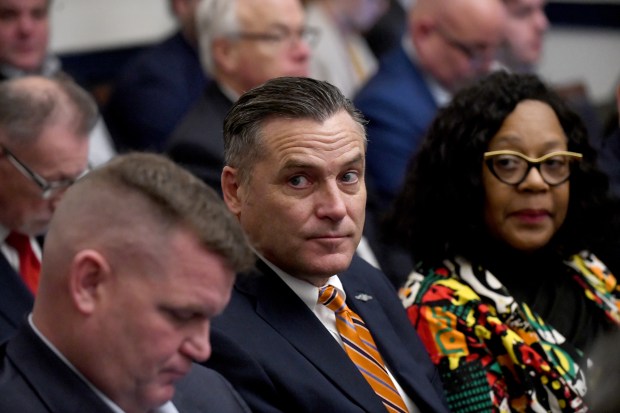
Mayor Jim Tinaglia of Arlington Heights champions efforts to establish a Chicago Bears stadium in his city. As an architect, he advises caution against using the proposed site in Hammond, Indiana, for development. Tinaglia highlights potential risks from previous industrial use, particularly contamination from hazardous materials. “I would throw up the red caution flags immediately,” he told the Tribune. He cites experience with sites containing gas stations or dry cleaners.
Hammond’s site near Wolf Lake, once a steel production area, has been the subject of cleanup efforts by residents. A golf course now sits atop capped slag, with proximity to hazardous waste locations and an oil storage facility. It also lies near the Midwest’s largest oil refinery. Bear’s officials have conducted soil tests at the site, expressing comfort with its condition. Environmental concerns about the site remain, yet legislative discussions overlook them.
Earlier this year, Indiana authorized spending $1 billion, along with $2 billion pledged by the Bears, to construct an enclosed stadium in Hammond. The site offers proximity to Chicago, about a 30-minute drive from downtown. Illinois representatives may soon propose a counteroffer with measures for property tax breaks and infrastructure funding for the Arlington site.
Environmental advocates voice concerns about the Hammond location. Michael Boos of the Wolf Lake Initiative feels the stadium conflicts with efforts to maintain the natural watershed at Wolf Lake. He states, “The Bears would make things a little overwhelming,” referencing previous battles against large developments in the area.
Local officials, including Hammond Mayor Thomas McDermott Jr., defend the development site. He points to environmental cleanup efforts, noting, “The Bears know far more about environmental concerns in that area.” He acknowledges improvements in air quality since the closure of the State Line Generating coal plant. The EPA continues to tackle hazardous waste sites, for instance, managing a project to remove contaminants along the Grand Calumet River and conducting cleanup operations at Federated Metals.
McDermott maintains none of the hazardous sites directly affect the prospective Bears stadium acreage. He describes the area as a “recreational oasis,” with residents engaging in activities at nearby Wolf Lake. Despite admitting to legacy issues, McDermott sees no deal-breaker for the stadium’s success.
Illinois Governor JB Pritzker expects upcoming legislation to incentivize the Bears stadium project in Arlington Heights by the end of May.