Strategies to Manage Credit Card Debt While Building Savings
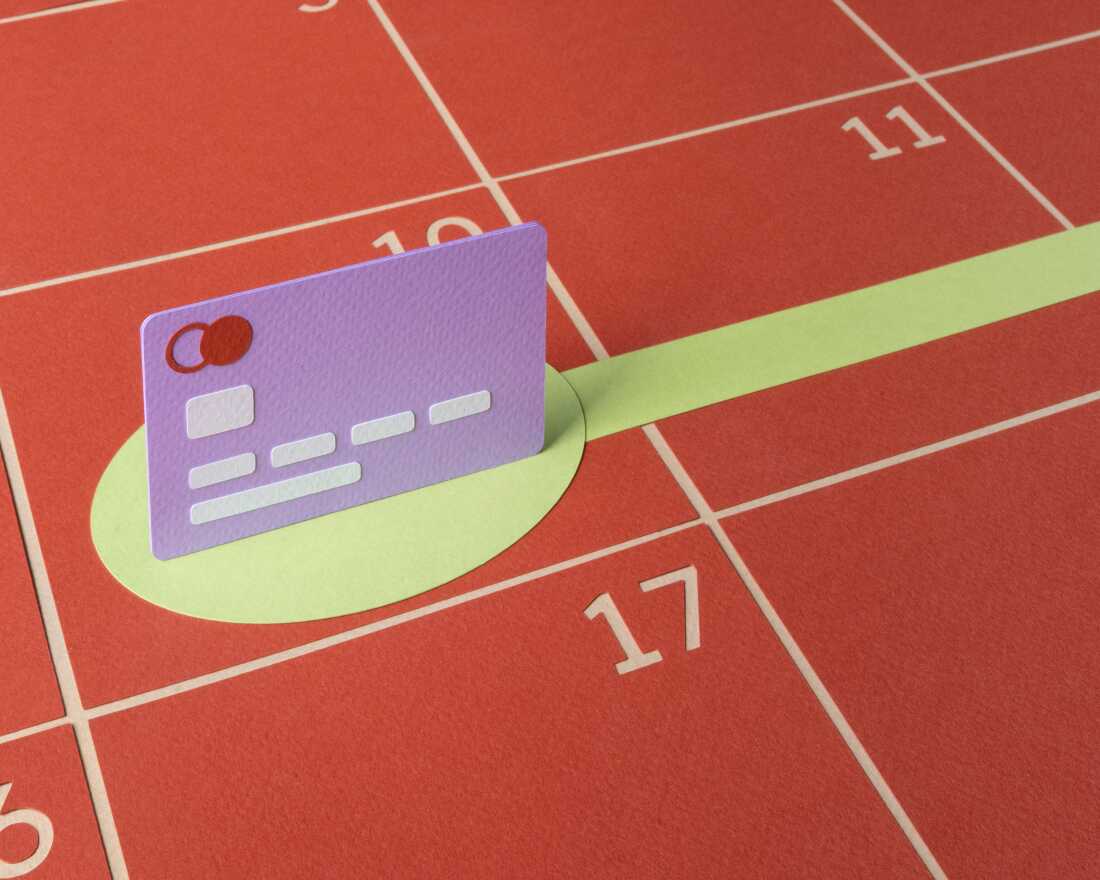
Maintaining a balance between paying off credit card debt and saving for emergencies is crucial. According to financial advisors, having money set aside for unexpected expenses can prevent reliance on credit cards.
Without adequate savings, emergencies might push you back into debt,
says Yanely Espinal, a financial educator. Her strategy includes budgeting carefully to pay off debt while saving for the future.
Step 1: Analyze Spending
To handle credit card debt effectively, understanding your spending is essential. Here’s how you can start:
- Track all expenses for 30 days using a paper calendar or notebook. Manually noting expenses helps identify areas to cut costs.
- Review expenses to eliminate unnecessary ones, such as less-used subscriptions or infrequent treats like a daily coffee.
- Consider temporary reductions on expenses, like disabling a few streaming services.
- Explore ways to lower daily spending habits, such as minimizing impulsive buys or searching for grocery discounts.
- Boost income by seeking either a better-paying job, a raise, or a side gig.
The more you set aside for debt repayment, the quicker you’ll be debt-free. Start with modest budget cuts and assess how much extra cash you have to allocate.
Step 2: Establish Emergency and Sinking Funds
Avoid spending on credit for major unexpected costs by saving cash. This involves:
- Setting aside $500 to $1,000 for emergencies, covering potential bills like medical expenses or home repairs.
- Building an emergency fund of three to six months’ worth of expenses after clearing debt.
- Initiating an auto-deposit plan from each paycheck for consistent savings.
- Creating a sinking fund for predictable yearly expenses such as holiday gifts or car maintenance.
Step 3: Formulate a Budget
Constructing a budget is key to monitoring savings and debt repayment. Include items for housing, transportation, and food. Additional line items should be:
- Emergency fund
- Sinking fund
- Credit card debt
Use the savings from Step 1 for debt payments. Utilize online tools to calculate the ideal credit card payment. Always meet minimum payments to avoid late fees, credit score impacts, and default. Surplus funds can expedite debt repayment, reducing interest costs.
Once debts are cleared, allocate freed-up resources for new financial targets, from other debt repayments to large purchase savings.
For further strategies on managing debt, consider subscribing to Life Kit’s Guide to Paying Off Credit Card Debt for detailed advice.