Spain Intensifies Security at Ceuta Border Following Migrant Surge
Spain has implemented a 500-meter-long barrier at the sea border of Ceuta, its North African territory. This follows a recent surge of migrants across the border from Morocco, which resulted in the deaths of at least 67 people. Causes of death included drowning and stampedes. Spanish Prime Minister Pedro Sánchez criticized European leaders for suggesting Spain’s suspension from the EU’s Schengen zone, labeling those calls as prejudiced and politically motivated.
Several migrants who managed to swim to Ceuta’s Tarajal beach were escorted back by Spanish soldiers. Between 50,000 and 60,000 migrants entered the territory earlier in the week, but most returned quickly. Spanish Interior Minister Fernando Grande-Marlaska defended Morocco, stating it is a reliable partner and not a threat to Ceuta or Spain. Both Spain and Morocco are conducting evaluations of the events.
EU Calls for Unified Approach
Leaders from 22 EU nations have urged a coordinated response to prevent mass border crossings. In a letter to EU officials, they stressed the importance of controlling illegal entries, emphasizing the need for cooperation among all member states. Italian Premier Giorgia Meloni suggested suspending the Schengen agreement with Spain, focusing on border controls for arrivals from Spain.
Prime Minister Sánchez requested an emergency meeting of EU interior ministers to discuss a common strategic response. He reiterated that border security is a shared EU responsibility.
Migrants Return Due to Difficult Conditions
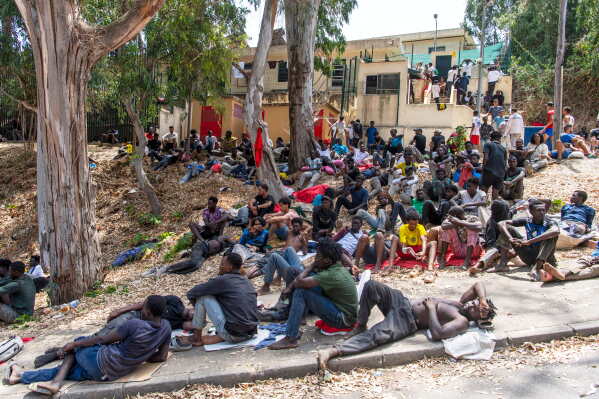
Hundreds of migrants have returned to Morocco, citing poor treatment in Ceuta as a reason. They described harsh living conditions, with many unable to find food or shelter. Some migrants, like Ouail Lamzeiz, expressed disappointment over the lack of assistance.
Reports indicate that migrants had to sleep in forests and faced food shortages. Despite these challenges, some, including Mohamed Hatri, chose to remain in Ceuta, determined to stay regardless of the hardships.
Local Impact and Reactions
The mass crossing has disrupted life in Ceuta. Ceuta President Juan Jesús Vivas noted satisfaction with progress on the return of migrants but stressed the need for continued efforts. In the nearby Moroccan city Tangier, the return of migrants has been evident at the railway station, filled with those returning after failed attempts to cross.
The border incident has left a visible impact, with burned-out vehicles and an increased police presence at the Moroccan town of Fnideq near the crossing point.
This situation highlights the complex dynamics of immigration in the region and the broader consequences on local communities and the EU at large.