Challenges Managing Ebola Outbreak in Congo
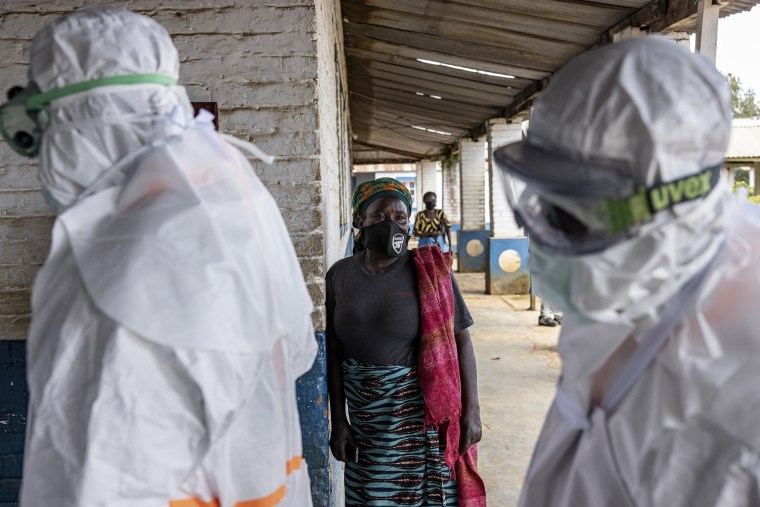
The current Ebola outbreak in the Democratic Republic of the Congo is serious, impacting even healthcare workers. Rose Tchwenko, from Mercy Corps, shared a case in which a healthcare worker’s family attempted traditional care, suspecting witchcraft. This misinformation led to the man’s death and traditional burial, potentially spreading the virus further. His wife also contracted the virus.
Tchwenko noted that many false beliefs persist about Ebola. Additionally, there’s suspicion towards humanitarian workers and government actions. Recently, protests erupted when grieving relatives were barred from recovering a loved one’s body, due to the high risk of infection from corpses.
Aid organizations and healthcare workers face ongoing challenges, combating misinformation amidst a growing outbreak. Reports from the World Health Organization highlight 750 reported cases and 177 deaths in Congo’s 17th epidemic of this serious illness. Ebola damages the body by attacking vital systems, leading to organ failure.
Ky Luu, from International Medical Corps, mentioned the outbreak’s potential severity. Usually, Ebola outbreaks are detected quickly, but this instance may have gone undetected for weeks. Traditional tests failed to identify the uncommon Bundibugyo virus strain, complicating early responses. Resources are scarce; tests now require transfer to Kinshasa for processing, taking days for results.
Currently, there is no vaccine for Bundibugyo. The absence of this tool complicates epidemic management. With the more common Zaire strain, ring vaccination strategies are possible, offering protection by vaccinating contacts of afflicted individuals. But for Bundibugyo, similar measures cannot be deployed.
The notorious West Africa Ebola outbreak from 2014-2016 saw over 28,000 cases and 11,000 deaths. Gonzalez from Médecins Sans Frontières highlights the return to contact tracing and patient isolation, with improvised facilities like surgical centers now serving as isolation wards due to overcrowding.
The U.S. State Department has committed $23 million to support organizations like International Medical Corps, which strives to establish treatment and screening centers. Greg Ramm from Save the Children described shortages in disinfectant and protective gear, attributing these problems to decreased humanitarian aid. Reduced funding means fewer staffed health centers and mobilized workers.
Beyond logistics, the outbreak centers in a conflict zone, further hampering response efforts. With around 100 armed groups vying for control in a densely populated, remote area, accessing and managing the crisis presents immense challenges.