Bundibugyo District’s Link to Ebola and Current Outbreaks
The district of Bundibugyo in western Uganda is gaining attention due to its historical connection with a rare Ebola virus. Situated in a remote, mountainous region, Bundibugyo is home to about 200,000 people, predominantly cocoa farmers. The challenging terrain of hills and valleys makes agriculture difficult, but it remains a picturesque area.
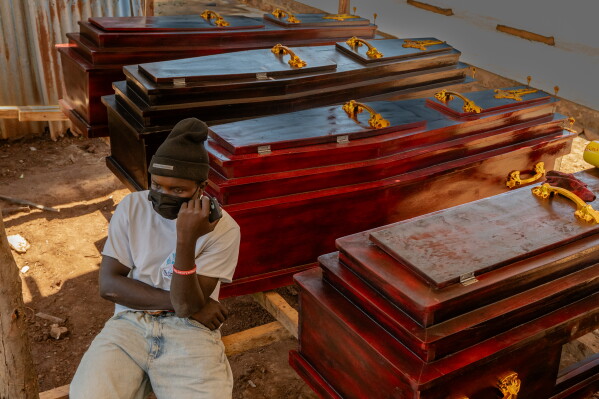
Currently, the name Bundibugyo is often linked with negative connotations due to an Ebola outbreak in Congo, which has resulted in numerous infections and 160 suspected deaths across two provinces. This association stems from the year 2007 when the Bundibugyo strain of Ebola was identified during an outbreak in the district, distinguishing it from the Sudan and Zaire variants of the virus.
“Bundibugyo is too beautiful to be the name of a disease,” said Ugandan government spokesman Alan Kasujja.
Despite Bundibugyo having no current cases, there is concern about the ongoing connection. Ugandan officials urge the World Health Organization (WHO) to make it clear that the epicenter of the outbreak is not in Uganda. The WHO traditionally names viruses after the locations where they are first detected, which can stigmatize communities.
The 2007 and Subsequent Outbreaks
In 2007, the Bundibugyo virus caused at least 37 deaths before being contained. A smaller outbreak occurred in Congo in 2012. Early identification of these cases allowed for a rapid public health response. According to Dr. Tom Ksiazek, a virologist from the University of Texas Medical Branch, early detection is crucial in managing these outbreaks.
In the current outbreak, Uganda confirmed five cases, all linked to Congo. These cases include a 59-year-old Congolese man who died in Kampala, and two Ugandan nationals who tested positive after exposure.
Preventive Measures and Challenges
Ugandan President Yoweri Museveni has urged citizens to avoid close contact and has postponed large public events to prevent transmission. Measures such as halting public transportation and flights between Uganda and Congo have been implemented as well.
Dr. Emmanuel Batiibwe emphasizes that cross-border commerce presents significant risks. Enhanced surveillance at entry points is vital. Uganda has experienced several Ebola outbreaks, including a severe one in 2000, underscoring the importance of efficient response strategies.
Current Ebola vaccines and treatments are not effective against the Bundibugyo variant. Therefore, contact tracing and isolating infected individuals are crucial for containment. Healthcare workers require proper protective gear to mitigate the risk of contracting and spreading the virus. According to WHO, fruit bats are natural hosts of the Ebola virus, which spreads through bodily fluids and contaminated materials.