Kenya’s Crackdown on Foreign Traders Raises Concerns
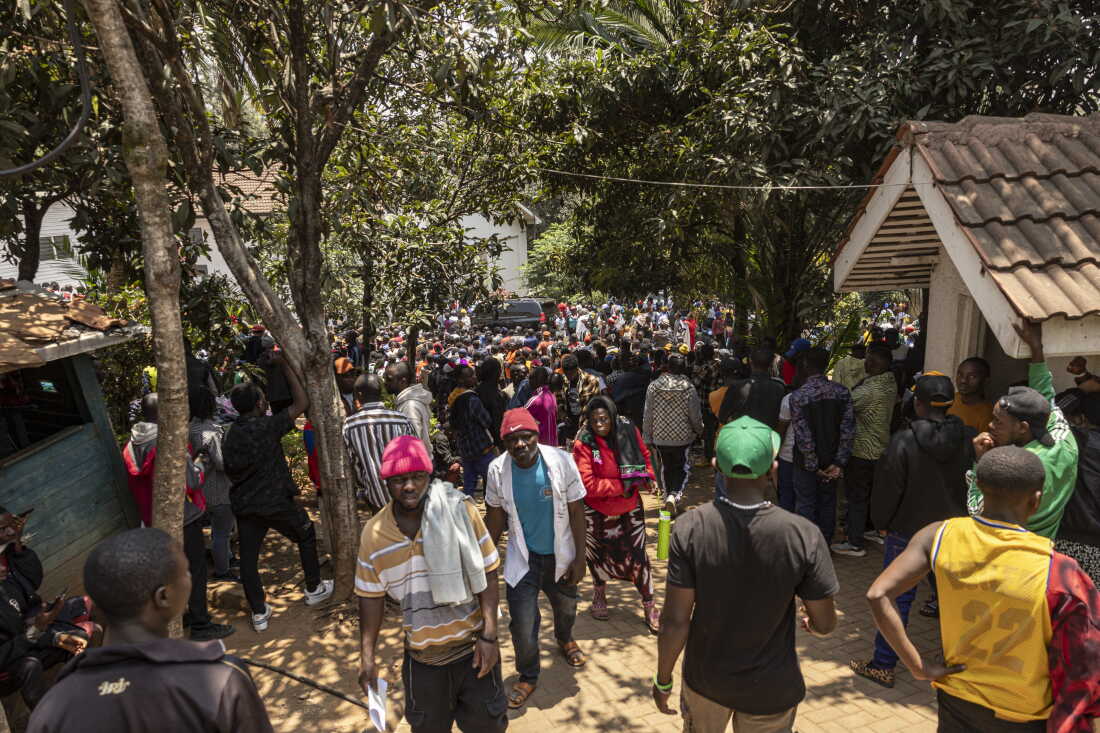
Burundian nationals are queuing outside their embassy in Nairobi to obtain travel documents. This follows Kenya’s recent crackdown on undocumented small-scale traders. The directive has created uncertainty among foreign nationals operating businesses in Kenya.
Impact on Nairobi’s Informal Settlements
In Kibera, one of Nairobi’s largest informal settlements, the atmosphere is tense. Small-scale foreign traders are unsure of their future. President William Ruto has ordered the shutdown of businesses run by non-Kenyan traders. The president insists such work is for Kenyans only. The mandate gave foreign traders a week to comply, causing fear among migrant communities.
At a busy matatu terminal in Nairobi, the impact is noticeable. James Mogaka, who manages the terminal, notes that many vehicles are owned by foreign nationals. “Today they have not come. Their vehicles are not here,” he comments. Mogaka shares concerns about one of his drivers, whose Burundian wife runs a fruit business. “The guy is even afraid that people might come to chase away the wife,” he says.
Mixed Reactions Among Kenyans
The announcement has caused anxiety among immigrant communities concerned about their jobs and safety. Across Africa, there have been tensions over foreign-owned businesses. Tanzania has restrictions on businesses run by non-citizens, and South Africa has seen xenophobic violence surge.
In Nairobi’s central business district, opinions are divided. Local trader Robert Kiberenge opposes the directive. “The president is just trying to divert our attention from more pressing issues,” he says.
On the other hand, Kiprono Kutuny, a graduate, supports the move. “The government needs to protect the traders and small business people,” he argues. He believes foreign traders contribute to cheap labor, impacting local businesses.
Economic and Political Implications
Kenya, East Africa’s economic hub, is known for its stability. The United Nations estimates around 993,000 international migrants will be in Kenya by 2024. The government claims the policy is meant to protect Kenyan traders from competition. Yet, economist Edward Kusewa argues otherwise. “I think it’s very uncalled for,” he states.
Kusewa worries that the directive contradicts the African Continental Free Trade Area principles. “These people contribute a lot to the economy,” he explains, highlighting their role in tax contributions. He warns of potential negative impacts on the Kenyan economy.
Government Efforts and Future Concerns
As Ruto faces re-election next year, the debate intensifies amidst economic pressures. Foreign nationals, many from countries like Burundi and the Democratic Republic of Congo, are seeking help from their embassies.
To alleviate concerns, the government offered undocumented East African nationals 90 days to update their status. However, fear has settled in many, unsure of what the future holds.