America’s Shrinking Oil Stockpiles Amid Global Energy Crisis
Rapid Decline in Oil Stockpiles
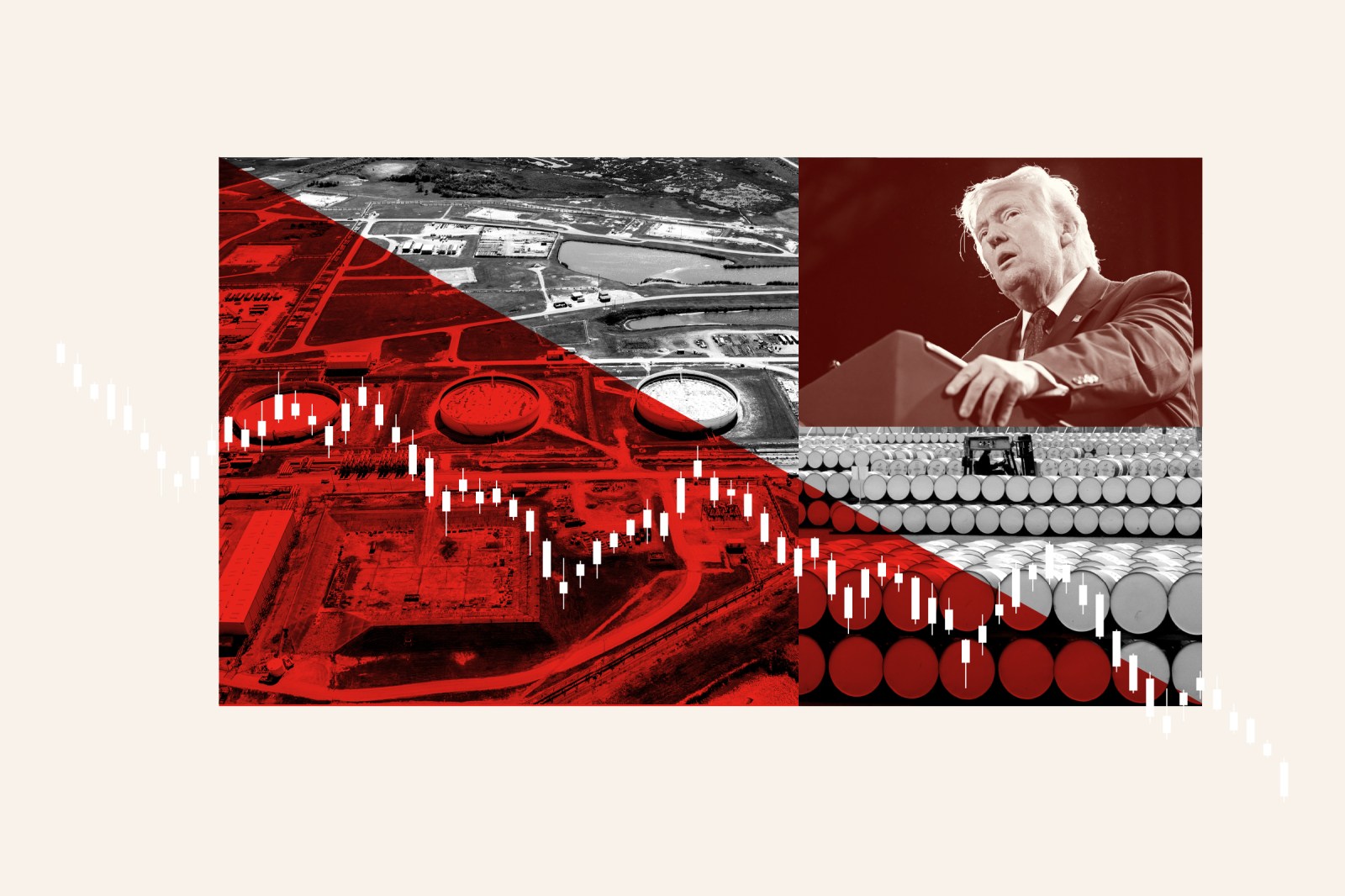
America’s oil inventories are experiencing a significant drop, with consecutive weekly declines in U.S. crude stocks. Exports are increasing, and emergency supplies are being tapped to mitigate the impact of the Iran war on global energy markets. According to the U.S. Energy Information Administration (EIA), crude inventories fell by 17.8 million barrels for the week ending May 15. The downward trend has brought total stocks, including those in the Strategic Petroleum Reserve, to their lowest level in almost a year. Analysts warn this erodes a critical safety buffer, affecting the U.S.’s ability to safeguard consumer prices and respond to supply shocks.
Impact of Hormuz Strait Closure
The conflict has led to the closure of the Hormuz Strait, which previously carried one-fifth of the world’s oil. This has pushed global oil prices to multi-year highs, described by the International Energy Agency (IEA) as the “largest energy crisis in history.” U.S. drivers face higher costs with gas prices rising around 50 percent to over $4.50 per gallon. Other products like jet fuel are seeing similar increases, and the continued drawdown of inventories is expected to exert more upward pressure on prices, especially during the summer.
Continued Inventory Declines
During President Trump’s second term, inventories rose initially, aligning with his pledge to “fill our strategic reserves.” However, recent EIA reports show consecutive weekly declines, reducing stockpiles to the levels seen in June 2025. U.S. crude oil inventories, excluding the Strategic Petroleum Reserve, have dropped about 2 percent below the five-year average. Distillate inventories, including diesel and heating oil, have fallen even further behind typical levels.
Energy analyst Tom Kloza expressed concerns over the trends, noting industry observers are “ignoring the amber lights” regarding potential impacts on U.S. gas and diesel prices. Bob Yawger of Mizuho predicts crude inventories may fall below 400 million barrels in nine weeks, which would require increased exports from the U.S., thus accelerating domestic declines.
Strategic Reserve Release
The U.S. has resorted to releasing supplies from its Strategic Petroleum Reserve (SPR), with the Trump administration freeing up around 172 million barrels over 120 days to combat the conflict’s economic impact. While Trump defended the move as essential, his action mirrors policies he previously criticized President Biden for, after Biden ordered a historic release of 180 million barrels to address Russia-related fuel price surges.
Record U.S. Exports
As the energy crisis deepens, especially in Asia and Europe, the U.S. has boosted exports to record levels. This move has drawn criticism from those who believe emergency supplies should address domestic price spikes instead. Representative Ro Khanna proposed a ban on exports when gas prices remain above $3.12 per gallon for seven consecutive days. Economist Willy C. Shih explained that oil is a globally traded commodity, with shortages affecting Asia and Europe more intensely than the U.S., leading these markets to pay premium prices.
Shih cautioned that banning exports would damage the U.S.’s global standing. Analyst Bob McNally agreed, stating that restriction would elevate global oil prices further. Energy market analyst Philip Verleger warned that halting exports could trigger a trade war and possibly result in a global recession.