Decline of Gray Whale Populations Raises Alarm
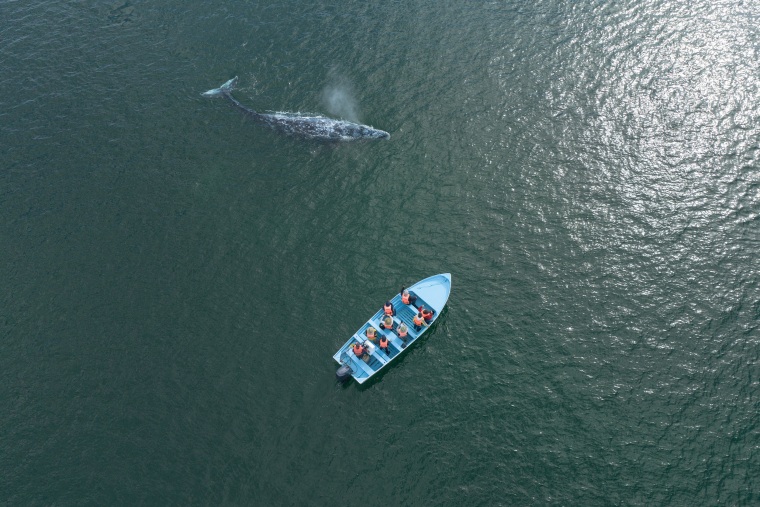
In recent months, dead and emaciated gray whales have been frequently found on the shores of Washington state. Since March, 21 deceased whales have been recorded, as noted by John Calambokidis, a research biologist and founder of the Cascadia Research Collective. He expressed concern over this alarming trend, highlighting the historical significance of gray whales in conservation efforts. In the past seven years, a significant decline in their population has been observed.
Many of these whales appeared thin and weak, with some exhibiting unusual behavior, possibly due to their deteriorating condition. Scientists suggest that global warming, especially the reduction in sea ice, is contributing to these events. Calambokidis emphasized the impact of climate change on the Arctic, affecting the availability of the whales’ prey.
We know it’s a food supply issue,Calambokidis stated, pointing out the changes in the Arctic due to climate change.
Josh Stewart, from Oregon State University’s Marine Mammal Institute, echoed these sentiments, predicting that the Arctic might not support 25,000 gray whales again soon.
Since 2019, the whales’ demise has been classified as an “unusual mortality event” by the National Oceanic and Atmospheric Administration. Despite a brief rebound in 2023, the species’ numbers have since plummeted.
Eastern North Pacific gray whales migrate every year to the Arctic to feed on amphipods. They later travel south to reproduce and raise calves. The feeding in the Arctic is crucial for their survival, yet scientists are still unraveling why food is less plentiful. The melting of sea ice earlier than usual may be promoting other species’ growth, which reduces available nutrients for the amphipods on which whales feed.
Stewart explained that the whales are most vulnerable as they head north in spring, having fasted for months. A poor summer feeding can result in energy deficits, contributing to their demise. Calambokidis noted whales appearing in unexpected locations, like the Wilapa River, as they search for food.
The NOAA estimates the current gray whale population at 12,950, down from 27,430 a decade ago. Some groups, such as the Sounders and the Pacific Feeding Group, have found alternate feedings grounds, showing resilience to the general decline.
Historically, gray whales suffered due to whaling but rebounded after legal protections. Although not facing extinction, the population is in decline, undoing previous conservation successes. Stewart notes that the species is now in a challenging recovery phase.