Iran Stresses No Immediate Peace Deal with US as Diplomatic Efforts Intensify
The Iranian government stated on Monday that an agreement to end the conflict with the United States is not imminent, despite President Donald Trump’s fluctuating comments about the possibility of a deal. While recognizing progress, Iran downplayed the likelihood of a prompt announcement.
U.S. Secretary of State Marco Rubio mentioned that an agreement is still possible, amidst active diplomatic exchanges from the Middle East to China. Iran’s primary negotiators were present in Qatar, a crucial player in the efforts to end the three-month war and resume passage through the Strait of Hormuz.
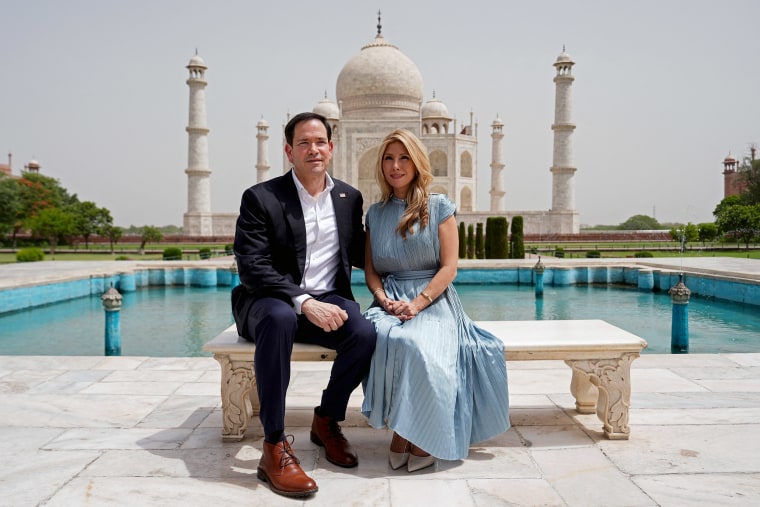
President Trump expressed that he is “not in a hurry” and will not hasten into “a bad deal,” according to Rubio, who spoke during an official visit to New Delhi. Rubio emphasized the preference for a valuable agreement, noting the existence of a “pretty solid” proposal on the table.
The U.S. is committed to pursuing diplomatic avenues fully before considering alternatives, though details were not provided.
Trump reinforced the sentiment, indicating that any deal with Iran must be meaningful, or there will be none. He noted a pause in earlier indications of a potential announcement.
Emerging elements of a possible memorandum faced criticism, with Republican lawmakers warning about potential negative outcomes. Trump dismissed these critiques, targeting what he termed “Dumocrats, RINOS, and Fools” unfamiliar with the deal’s prospects.
Iran responded cautiously, with Foreign Affairs Ministry spokesperson Esmail Baghaei stating that current negotiations focus on ending the war, not nuclear specifics. He stressed that while conclusions have been reached on several topics, it does not signify an imminent agreement.
The Strait of Hormuz’s management is not detailed in the agreement, Baghaei indicated, suggesting it should be handled by its coastal states.
The closure of this vital waterway by Tehran has disrupted global energy markets. However, optimism about a deal led to a notable drop in oil prices, with the average U.S. gas price slightly declining.
Top Iranian negotiators, including Parliament Speaker Mohammad Bagher Ghalibaf and Foreign Minister Abbas Araghchi, arrived in Doha, Qatar for ongoing discussions.
Qatar has become increasingly active, alongside Pakistan, in mediating between the U.S. and Iran. In Tehran, Iranians gathered to honor those lost in the U.S.-initiated war and previous conflicts.
The possible agreement framework provides a 60-day period to achieve a full peace deal, focusing on security and prosperity enhancements. The framework reportedly binds Iran to halt nuclear weapon development and relinquish enriched uranium, though specifics will be determined in subsequent talks.
The agreement also aims to reopen and secure the Strait of Hormuz, includes lifting U.S. naval blockades gradually, and offers financial relief for Iran upon fulfilling its obligations.
If activated soon, the 60-day period extends the ceasefire deadline, impacting midterm election timelines and Republican poll standings.
Pakistani Prime Minister Shehbaz Sharif, a key mediator, visited Beijing to discuss the situation with Chinese President Xi Jinping, given China’s influence on Iran.
Ending Israeli attacks in Lebanon remains a priority for Iran, citing substantial civilian impacts and displacement.
Baghaei confirmed Lebanon’s inclusion in discussions, while Israeli Prime Minister Benjamin Netanyahu underscored the necessity of eradicating nuclear threats and stressed Israel’s defensive rights in talks with Trump.