The Impact of the ‘Silver Tsunami’ on the Housing Market
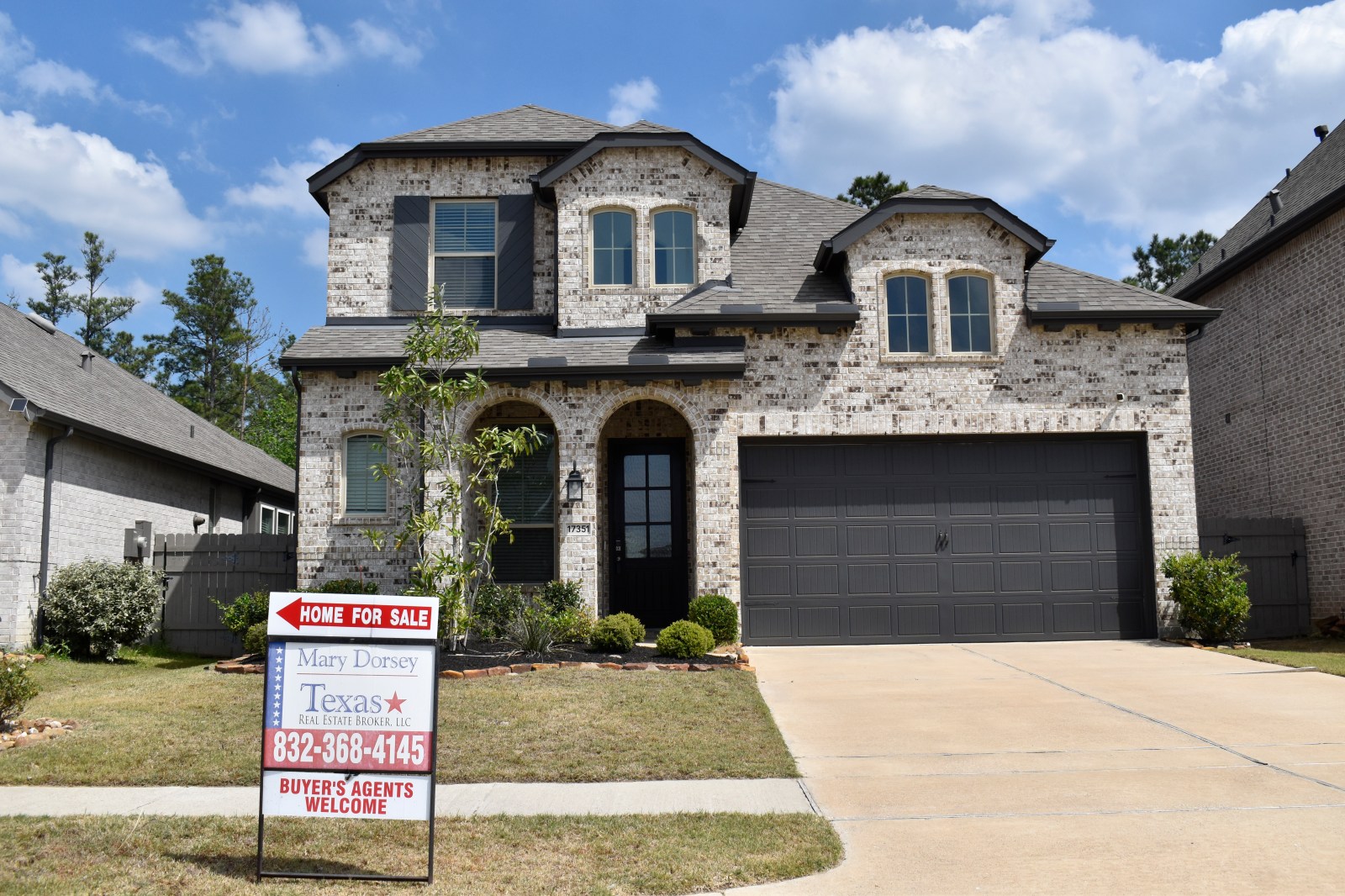
The widely anticipated ‘silver tsunami’ refers to a significant transfer of wealth, expected to occur as baby boomers sell, downsize, or pass on their homes to relatives. This event could address the nation’s housing shortage, while simultaneously introducing new challenges.
In the next decade, approximately 13.9 million homes owned by baby boomers and the Silent Generation will change ownership, according to Realtor.com’s Generational Housing Succession report. If just 45% of the 1.27 million homes forecasted for release next year enter the market, it would suffice to restore annual for-sale listings to pre-pandemic levels. This has been achieved by some states, predominantly in the South, presenting a potential solution for the current housing gap.
This property release has already started, albeit gradually. Inherited homes made up 7% of all U.S. property transfers in the year ending August 2025, with 340,000 properties involved, according to Cotality. Over 60% of sellers during this time were aged 60 or above.
“Generational succession is not new; it has transpired over years, and past activity is part of today’s housing inventory,” noted Jiayi Xu, senior economist at Realtor.com. “The scale now differs. Our research anticipates the upcoming release to be 33.7% larger than past decades, presenting a genuine acceleration.”
Xu emphasized the gradual impact of this transition, stating that while it will significantly benefit home buyers over the years, it will unfold gradually. The distribution of these homes won’t be uniform across the country. This could result in a disparity between supply and demand, with homes available where fewer wish to settle and a shortage in high-demand areas.
A Geographical Mismatch
In the next decade, some states and cities may experience a surge in inventory due to slower population growth and less in-migration, setting the stage for potential oversupply. For example, Pittsburgh, Buffalo, and Rochester might face supply challenges as these regions grapple with slower growth matched with a concentration of older populations.
The issue extends beyond the Northeast as regions like the southern East Coast, with Florida leading with seven out of the top ten U.S. metro areas, exhibit a high concentration of senior homeowners.
The ‘Wrong’ Kind of Home
A small portion of homes expected to enter the market will be starter homes, a segment the country desperately needs. Of the homes likely to become available, only 380,000 have two or fewer bedrooms. Most, however, will be larger family homes.
Starter home supply has dwindled, with demand outstripping availability. Significantly, older buyers, making up 30% of recent purchasers of starter-sized homes, might compete with first-time buyers for this segment.
Yet, hope remains. As family homes hit the market, owners of starter homes could move up, freeing these smaller homes for new buyers. However, inheritance won’t suffice to bridge the starter-home gap. Xu estimates an inheritance rate of 16.9% among homes owned by older generations in 2025, which is impactful but insufficient as a sole solution.
Many Boomers Expected to Stay Longer
While all boomers will eventually release their homes, many prefer to wait. High mortgage rates, currently over 7%, deter both sellers and younger buyers, complicating the housing transfer process.
A poll by Moody’s shows 75% of Americans aged 50 and up prefer to remain in their homes, likely increasing the demand for housing-related services and upgrades.
The latest figures validate this trend as U.S. senior housing occupancy reached its peak in the first quarter of 2026, hitting its highest level since 2005.