Lawsuit Against Trump Administration’s Immigration Policies
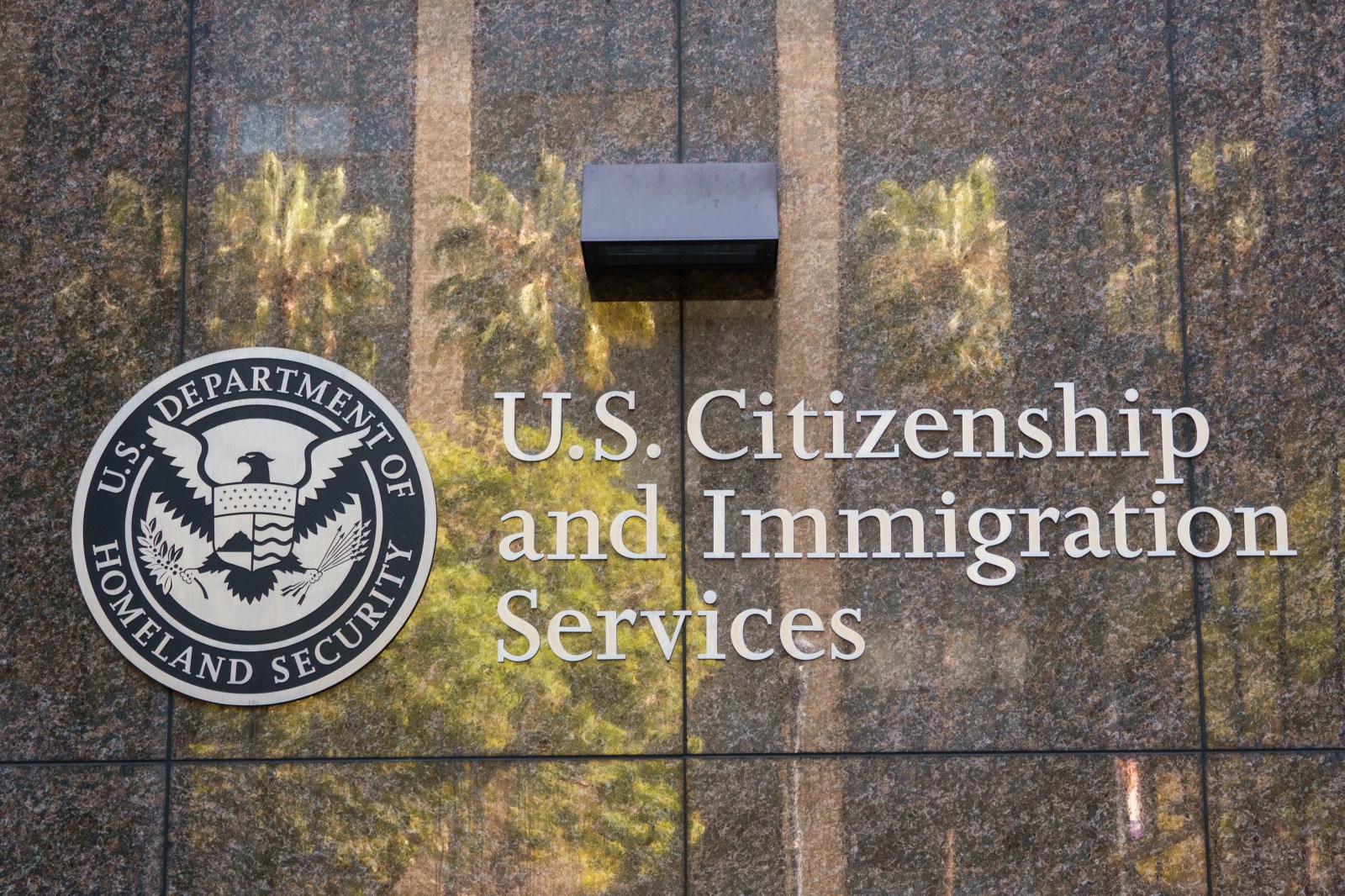
Labor unions, university faculty groups, and immigrant advocates have taken legal action against the Trump administration over new immigration policies they argue make it more challenging for certain immigrants living in the United States to secure green cards without leaving the country. The lawsuit, filed on October 5 in the U.S. District Court for the District of Massachusetts, targets policies issued by the U.S. Citizenship and Immigration Services (USCIS) in May and August. These policies impact the adjustment of status process, which allows eligible immigrants to apply for permanent residence without obtaining an immigrant visa abroad.
Challenged Policies
The lawsuit claims that the two policies revise the rules for those already seeking permanent residence. Individuals who applied before the policies’ implementation may now be judged under new standards, possibly facing denial without a chance to submit further evidence.
The May policy instructs USCIS officers to assess whether an applicant chose to apply for a green card domestically instead of through consular processing abroad. The August policy enables USCIS officers to deny applications without requesting additional evidence or informing applicants of an intended denial. This change affects both new and pending applications when the policy became effective.
Effect on Immigrants
The Trump administration has implemented changes to tighten the legal immigration system amid its mass deportation efforts. These changes include repealing a Biden-era public-charge regulation and introducing new USCIS guidelines on assessing green card applicants’ likelihood of becoming dependent on government benefits. The administration asserts these changes aim to promote self-sufficiency and uphold immigration laws.
The lawsuit involves the American Association of University Professors, Service Employees International Union, Americans for Immigrant Justice, and several green card applicants. The groups represent or serve academicians, healthcare professionals, researchers, service workers, and immigrants seeking permanent residence, along with those whose relatives are applying for green cards.
Description of Policies
The adjustment of status process allows eligible immigrants already residing in the U.S. to apply for permanent residence domestically. The consular processing alternative, contested in the lawsuit, typically requires applicants to complete the visa process abroad. USCIS’s May 21 policy labels adjustment as an ‘extraordinary’ relief form, leading plaintiffs to claim that some applicants are unfairly penalized for choosing this option.
The August policy raises separate concerns for those with pending cases, as it applies unanticipated new standards to applications, potentially resulting in denials without a chance for the applicants to respond.
Lawsuit’s Goals and Claims
The plaintiffs argue that USCIS lacks the authority to penalize immigrants for opting for adjustment of status domestically rather than consular processing. Established in 1952, Congress has amended the adjustment process multiple times, and according to the complaint, they deliberately designed a system enabling immigrants to seek permanent residence without leaving the U.S.
The lawsuit includes six claims, alleging that the policies overstep USCIS’s authority, unfairly apply new standards to pending cases, are arbitrary and capricious, contravene rulemaking requirements, conflict with existing immigration precedent, and breach due process. The court has yet to rule on these claims.
The plaintiffs cite potential practical repercussions, such as family separations and disruptions to work and education if applicants must pursue their cases abroad. For example, Maria Francisca Guardado’s application was denied discretionarily despite her eligibility, and Miriam Esther Moreno Coto’s case remains pending, with concerns over family separation if forced abroad.
Outlook and Next Steps
The plaintiffs seek a temporary block on the policies as the case advances and ultimately aim to have them annulled. They request that USCIS adjudicates affected applications according to Board of Immigration Appeals precedent. The court has not ruled on their claims concerning federal immigration law violations, the Administrative Procedure Act, or constitutional issues.