How Inflation Impacts Retirement Planning
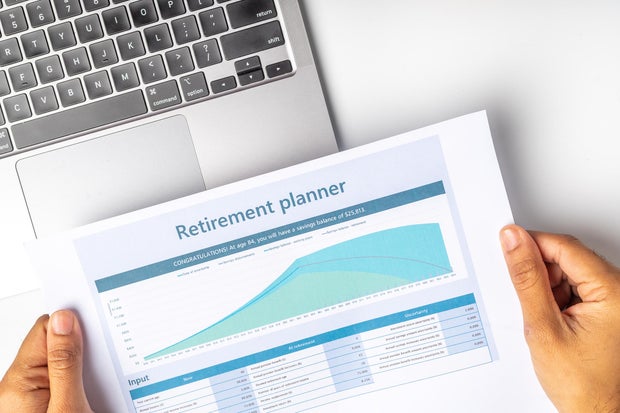
High inflation can challenge the assumptions holding up your retirement plan. Planning for retirement often means estimating expenses, savings’ longevity, and investment returns. At this time, approximately 61% of Americans have a financial strategy, as reported by New York Life’s 2026 Wealth Watch Midyear Outlook. Yet, the rapid increase in living costs might alter even the best-laid plans.
Only 52% of people now believe their savings will endure through retirement. Though inflation has eased from earlier highs, everyday costs stay elevated. This can cause a gap between previous estimates and actual expenses, impacting retired and soon-to-be-retired individuals more sharply since income opportunities diminish.
Reviewing Your Retirement Plan
Inflation necessitates reevaluating retirement planning assumptions. It doesn’t demand a complete overhaul but requires mindful adjustments.
How Inflation Influences Retirement Finances
Inflation affects finances beyond increased bills, influencing savings needs and withdrawal rates.
Need for Larger Savings
Inflation erodes purchasing power. With an average inflation rate of 3%, an item costing $50,000 could cost $67,000 in a decade. This impacts savings targets. If a plan based on $60,000 annual spending no longer suits higher costs, it might be necessary to recalculate retirement expenses periodically. This could mean increasing savings, extending timelines, or altering other plan aspects.
Adjustments in Withdrawals
Inflation impacts retirement withdrawals when expenses rise. Maintaining fixed withdrawals could require spending reductions. Increasing withdrawals isn’t always a straightforward solution. It might deplete a portfolio faster, especially when investment returns are low, heightening the risk of running short. Revisiting withdrawal strategies as inflation shifts can help, adjusting spending, holding cash for immediate needs, or modifying annual withdrawal amounts.
Evaluating Investment Mix
Inflation alters asset roles in portfolios. While cash and fixed-income investments offer stability, their purchasing power declines if returns lag behind inflation. Stocks, although volatile, might offer significant long-term growth. Treasury Inflation-Protected Securities (TIPS) may provide inflation protection. Sweeping portfolio changes aren’t advised solely based on inflation rises, but prolonged inflation can prompt reviewing the balance between capital preservation, income generation, and long-term growth.
Social Security and COLA Increases
Social Security provides annual cost of living adjustments (COLAs). In 2026, the increase was 2.8%. Though adjusted benefits offer protection, retirees shouldn’t expect them to fully cover individual expense changes. Personal expenses might rise at different rates than the COLA calculation, underscoring the need to see Social Security as part of a bigger income strategy.
Impact on Retirement Date
For those nearing retirement, ongoing inflation might influence timing. Rising costs could strain savings if retiring as planned. A longer working period isn’t the only option, but even slight delays can be beneficial, allowing more retirement contributions and potentially increasing Social Security benefits for those postponing claims.
Inflation doesn’t automatically disrupt retirement plans, but outdated ones become less effective over time. Higher costs affect savings requirements, income needs, and portfolio longevity. Periodic review of plan assumptions is wise, particularly after notable cost hikes. Adjustments made gradually can prevent discovering a mismatch between numbers and retirement goals later on.