Rethinking Child Welfare Policies: A Call for Change
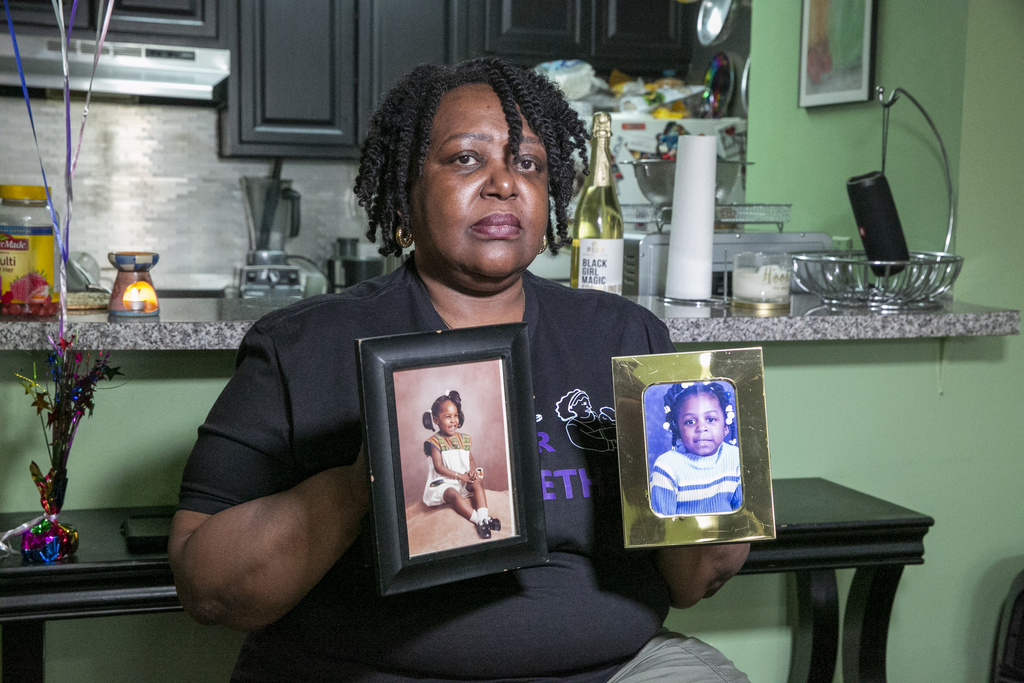
Joyce McMillan looks at pictures of her children in her home in Harlem, New York City. Twenty-three years ago, child protective services took her daughters away after an investigation found an illicit substance in her body. This incident is part of a larger issue with federal child welfare policy.
For decades, policymakers have built child welfare policies based on outdated assumptions. They have designed rigid programs bound by fixed funding structures. These structures persist despite data questioning the financing methods and incentives.
Over 2 million American families face investigations by Child Protective Services annually. In 84% of these cases, no abuse or neglect is substantiated. Still, around 175,000 children enter foster care yearly, though the intervention often causes harm. There is no proven link between foster care entries and child maltreatment deaths.
Nate Bustamente’s life highlights the impact of family separation. He entered foster care as a child. Later, as a parent, Bustamente faced a welfare case with his children. Despite efforts to meet imposed requirements, he risked losing his children. Even after compliance, he and his wife had to defend their right to remain a family in court. He acknowledges his attorney and family-time supervisor for their roles. The judge denied termination, and the case closed. The experience reflects what many families endure due to a harsh system.
A bipartisan group, United Family Advocates, released a framework highlighting how federal child welfare financing often leads to family separations like Bustamente’s. The group suggests separations should be a last resort. Policymakers are questioning if current funding supports child safety and family stability.
The existing system acts as a $10 billion entitlement for family separations. States require flexibility to invest in community support for housing, food, mental health, substance use, and more. This investment should protect children at risk and provide resources to families outside the child welfare system. High-quality legal representation should be accessible to ensure fair processes for families facing critical decisions.
Policymakers must debate whether federal resources maintain a system responding to crises or build infrastructure preventing these crises. For Bustamente, community support could have altered his life’s path. He asks, how many more families must endure similar struggles? The fear and lost time with children are avoidable.
Policymakers have long reinforced a system favoring separation. A new approach is needed, one that provides families with necessary support before crises lead to separation. Joanna Lack, United Family Advocates’ executive director, emphasizes this need for reform.