Analysts Skeptical of Trump’s Diesel Price Reduction Deal with Russia
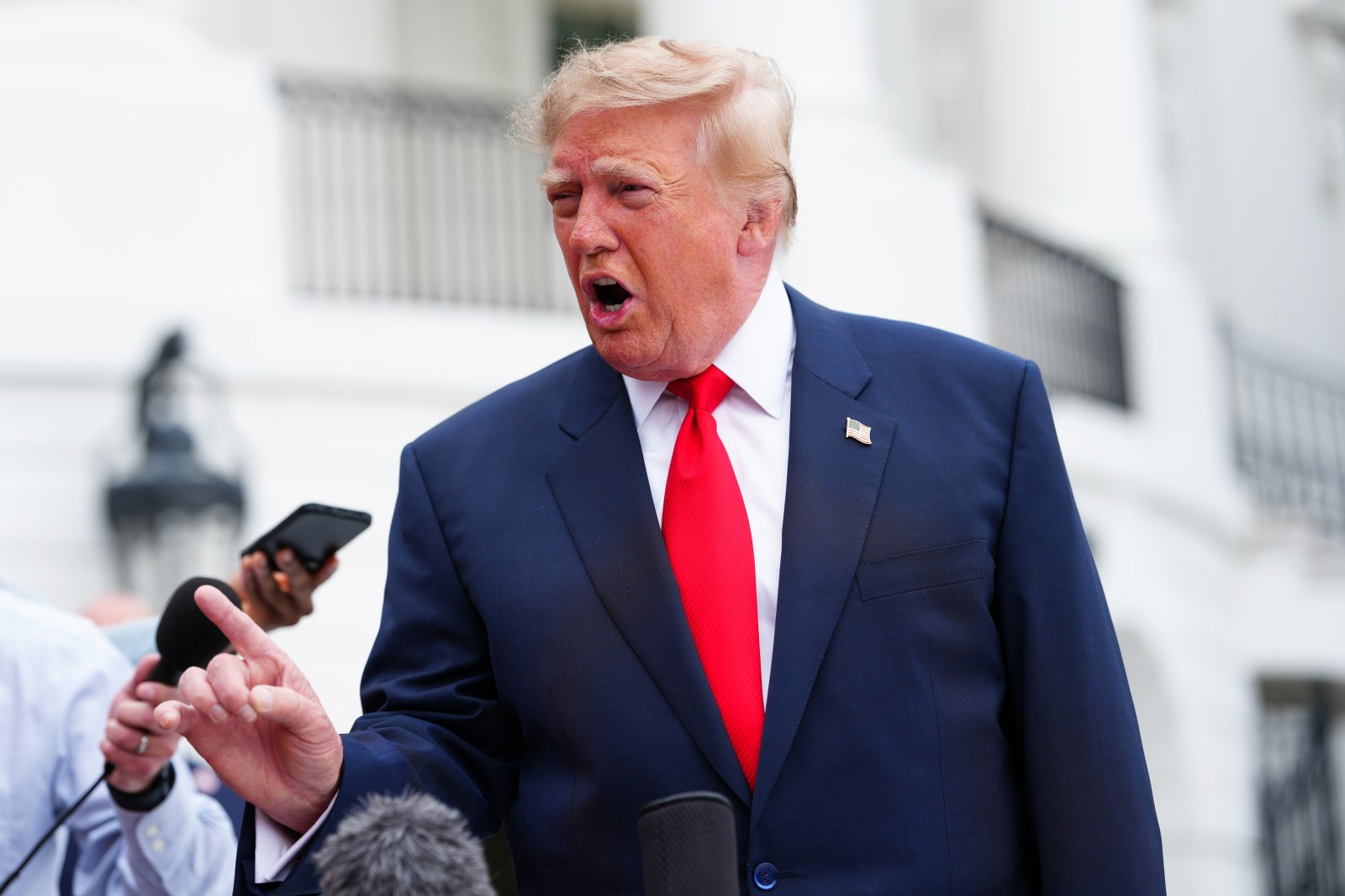
President Donald Trump announced a new agreement with Russia, claiming it would reduce diesel prices “in record numbers, and fast.” However, energy analysts doubt the deal’s significant impact before the November 3 midterm elections.
Trump revealed that Russian President Vladimir Putin agreed to provide additional diesel fuel globally after the U.S. administration authorized transactions involving Russian diesel. A White House official emphasized that increasing the diesel supply would lower prices for American farmers, truckers, and workers.
Adding hundreds of thousands of tons of diesel fuel to the global markets will lower prices,” said a White House official.
Nevertheless, analysts argue that the supply addition is insufficient to alter diesel-market fundamentals significantly before Election Day.
Expert Skepticism
GasBuddy’s head of petroleum analysis, Patrick De Haan, expressed skepticism about the agreement’s ability to lower diesel prices meaningfully before the midterms. He believes the promised volumes are too minor to impact market conditions. De Haan noted that the agreement might result in slight price decreases, but only if the deal materializes.
De Haan also highlighted the inadequacy of the initial 300,000-ton shipment. This quantity covers merely about a day and a half of typical U.S. diesel supply.
The amounts aren’t exactly sizable,” De Haan said.
Tom Kloza from Gulf Oil raised concerns about whether Russia could realistically deliver the diesel volumes described. He cited Russia’s domestic needs and the damage to Russian refining capacity due to drone attacks amid the war with Ukraine.
University of Houston energy economist Ed Hirs pointed out that the diesel scheduled for consumption in the upcoming weeks is already in the pipeline. Therefore, it’s unlikely the agreement will have a major impact on prices before Election Day.
Political Implications of Diesel Prices
Diesel prices have become politically significant because they power trucking fleets, farm equipment, freight rail, construction machinery, and industrial operations. Rising diesel prices contribute to broader inflation through supply chains.
Trump has focused on diesel costs, arguing that reduced prices would benefit farmers, ranchers, and truckers. The administration has permitted temporary use of tax-exempt dyed diesel on public roads and encouraged allies to release fuel reserves while facilitating additional Russian diesel exports.
Despite Trump’s claims, diesel prices averaged around $6.27 per gallon nationally on Monday. Moreover, Republicans like Representative Brian Fitzpatrick have criticized the agreement, citing concerns over providing Russia with further revenue amid the war.
We will be introducing bipartisan legislation to block any and all purchases of Russian oil,” Fitzpatrick stated.
Global Supply Concerns
Bob McNally from Rapidan Energy Group highlighted that the global diesel market lost approximately 1 million barrels per day of supply. Russia’s exports potentially cover only 0.1 to 0.2 million barrels daily, underscoring the shortfall caused by the Iran and Russia-Ukraine conflicts.
Energy analysts questioned Russia’s capacity to deliver the quantities promised by Trump, especially considering refinery damage caused by Ukrainian drone strikes and broader supply limitations.
Ukraine’s Response
The diesel agreement fueled tensions between Trump and Ukrainian President Volodymyr Zelensky. Trump linked high diesel prices to Ukrainian attacks on Russian energy infrastructure, proposing reduced attacks would lower fuel costs.
Zelensky refuted Trump’s claims during a Fox News interview, arguing that diesel prices are affected by Hormuz Strait blockages.
If President Trump wants to change the leader in Ukraine he [has] to know only our people can change [that],” Zelensky said.
Zelensky further accused Russia of violating Trump’s announced energy ceasefire as Russian strikes continued on Ukrainian infrastructure.
European allies expressed skepticism of the arrangement, while the European Union proceeded with new sanctions against Russia.
The connection of Trump’s diesel initiative to the ongoing war in Ukraine remains evident, despite the White House’s promotion of the initiative as a measure to lower fuel costs.
Currently, energy analysts believe that while additional diesel may assist marginally, the volumes announced by Trump are insufficient to meaningfully alter global diesel markets before Election Day.