Migrants in Chicago Face Uncertainty Amid Immigration Challenges
In the heart of Chicago, the border crisis found a spotlight during Christmas 2023. A large influx of migrants from Texas overwhelmed the city’s capabilities to provide shelter. Crowds gathered in temporary city shelters and tent camps near police stations, as local politicians and residents sought solutions for these new arrivals.
The majority of these migrants were asylum seekers, not illegal border crossers, hoping to escape violence and starvation. They had completed necessary paperwork in Texas and looked to Chicago as a place to build a new life. Many migrants arrived in areas like Oak Park and sought help through avenues such as the interfaith Oak Park Migrant Ministry.
This ministry operates from a former Catholic school in Forest Park, providing services such as hot meals, clothing, and legal document translation. Driven by volunteers like Celine Woznica, the ministry initially offered emergency services when migrants started pouring in late 2022. With the unexpected migrant transport initiated by Texas Governor Greg Abbott, the city’s shelters were quickly overwhelmed, leading migrants to set up tents near police stations.
Woznica remembers delivering essentials like clothes and tents to families in need, prompting the local Catholic church to utilize St. Catherine’s-St. Lucy’s rectory for further support. This site became vital, offering showers and an abundance of supplies. The response led to the church being used to store and distribute items, emphasizing the community’s commitment to aid.
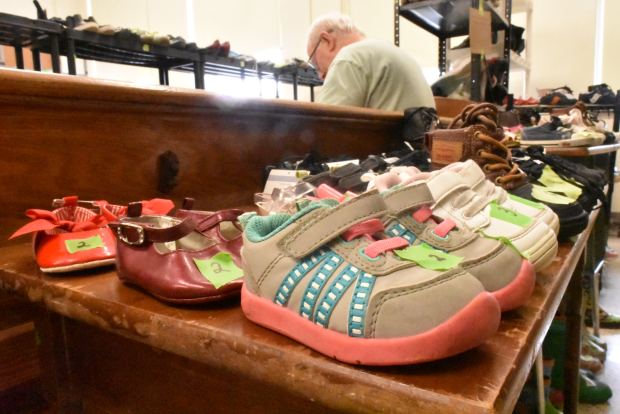
The ministry now systematically supports migrants, operating free stores in separate rooms dedicated to providing bedding, clothes, toiletries, and more. Migrants receive information about emergency services, including legal aid for custody of their children, in case parents face detention by immigration officials.
Despite looming fears, many parents refuse to prepare legal custody documents, relying instead on divine intervention. Yet, the ministry encourages practical steps alongside faith. Volunteers strive to alleviate concerns but acknowledge the constant uncertainty that migrants face regarding their future in the U.S.
For individuals like Angel Suarez, an immigrant from Venezuela, the situation is deeply personal. His upcoming court date in November represents hope, albeit uncertain. Suarez, without legal representation, remains determined to demonstrate his eligibility to remain, despite challenging odds. He occupies himself with work, delivering for companies like Instacart, while awaiting a more permanent job opportunity.
Advocates like Cynthia Brito, who support migrants, note the perseverance and resourcefulness displayed by those seeking a future here. She identifies the fear accompanying these migrants, observing their relentless drive to work and save amid ongoing unpredictability in immigration status.
The immigration system’s complexities, exemplified by mega hearings at the federal court, present intimidating challenges. Detainees often face chaotic and crowded courtrooms, with language barriers further complicating proceedings. These hearings can radically alter lives, sometimes resulting in deportations to places other than original home countries.
Outside the court, anxiety prevails as agents might interrupt lives through arrests or detentions, jeopardizing court dates and disrupting normalcy at any turn. Some migrants, overwhelmed by stress, opt to leave voluntarily, often motivated by the detention of loved ones.
The journey for many has been perilous, involving treks across inhospitable terrains rife with disease and danger. Stories echo of difficult crossings and the realities of encounters with death on paths marked by hardship. For people like Suarez, a judicial decision will soon determine the outcome of such an arduous journey.