Drone Threats at the U.S.-Mexico Border
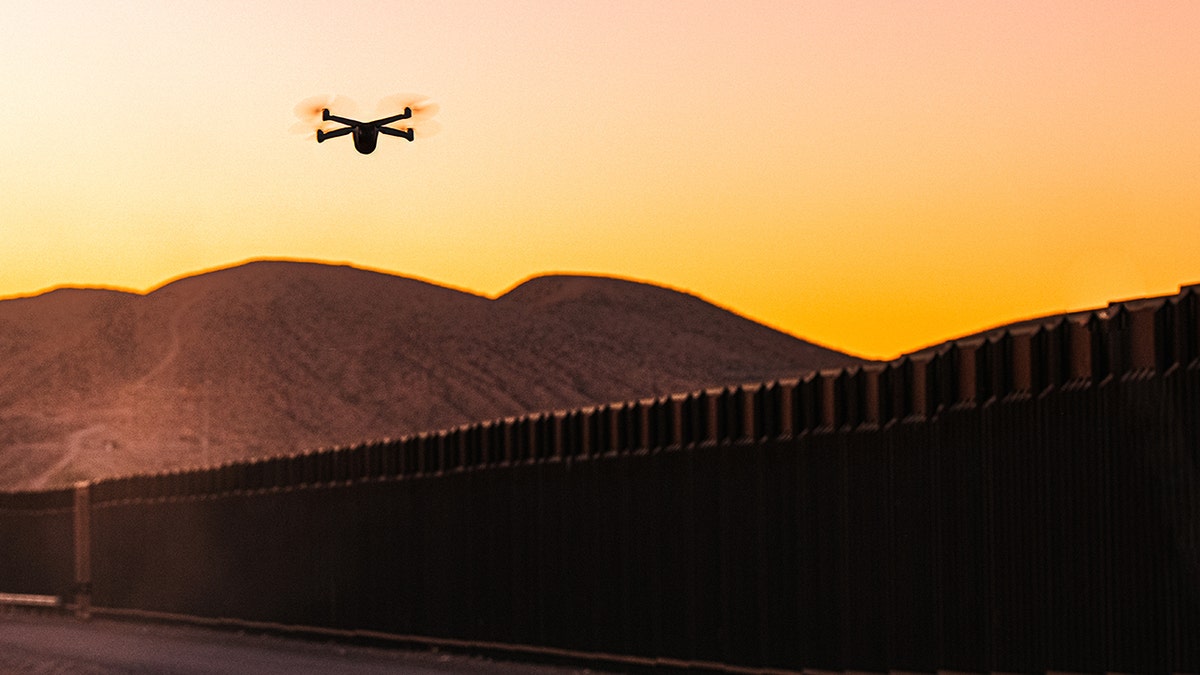
Mexican cartels are reportedly using drones as a significant tool to conduct surveillance on U.S. security personnel, map patrol patterns, and facilitate smuggling operations along the southern border. Efforts to disable these drones are expanding rapidly as authorities face this evolving challenge.
Rising Drone Incursions
In the previous 30 days, the U.S. military detected 378 drone incursions along the border, according to Brigadier General Brian Filler of Joint Task Force-Southern Border. This number indicates a growing trend, primarily involving commercial drones equipped with cameras used for smuggling and human trafficking activities.
Austin Doctor, a strategic initiatives director at the National Counterterrorism Innovation, Technology and Education Center, explained that on the border, surveillance and reconnaissance are the most common applications. Cartels use drones to establish patterns of life among U.S. security personnel and aid smuggling operations.
Arizona’s New Countermeasures
Arizona law enforcement received approval to shoot down drones suspected of criminal activities along the U.S.-Mexico border. This new law complements existing efforts to counter the rapidly advancing technology of Unmanned Aircraft Systems (UAS), which pose persistent threats involving counter-surveillance, illicit cargo movements, and potential kinetic attacks.
The cartels strategically exploit UAS technology for activities including monitoring law enforcement, scouting crossing points, and coordinating smuggling operations. U.S. Customs and Border Protection (CBP) reported over 42,000 near-border UAS flights in fiscal 2025, signaling the scale and complexity of this issue.
Counter-UAS Authorities
Congressional authority granted under 6 USC 124n allows CBP counter-UAS operations with approval from the Department of Homeland Security (DHS) Secretary. These operations cover extensive areas along the Southwest border, implementing detection, identification, monitoring, and tracking of UASs. The operations aim to mitigate the threats posed by drones used in illicit activities.
Cartels’ Drone Innovations
Austin Doctor outlined the innovation within cartels, noting that most still rely on commercial-off-the-shelf drones. However, more sophisticated aircraft including larger agricultural drones are emerging. Cartels continue innovating drone designs, often focusing on increasing payload sizes, improving resistance to countermeasures, and enhancing operational capabilities.
Recently documented events illustrate the weaponized use of drones inside Mexico. Border regions remain critical facilitation hubs with the potential risk of increased kinetic attacks.
Countermeasures in Mexico
Mexico is responding with interdictions, counter-drone technologies, military operations, and new criminal penalties. A recent operation, Águila Alta, in the Tijuana-San Diego area neutralized several drones, demonstrating collaborative efforts against illegal activities.
In 2024, Mexico made certain drone-related conduct a federal crime, addressing explosive drops, weapon adaptations, and surveillance activities targeting public officials.
Coordinated Efforts
The Department of Homeland Security, Joint Task Force-Southern Border, CBP, and other agencies utilize layered monitoring and detection systems to observe, evaluate, and engage threats effectively. Despite efforts, the exact number of cartel-managed drones remains unknown. However, enhanced resources are essential, as cartels are likely to continue adapting to countermeasures.