Toxic Discourse Surrounding the WNBA
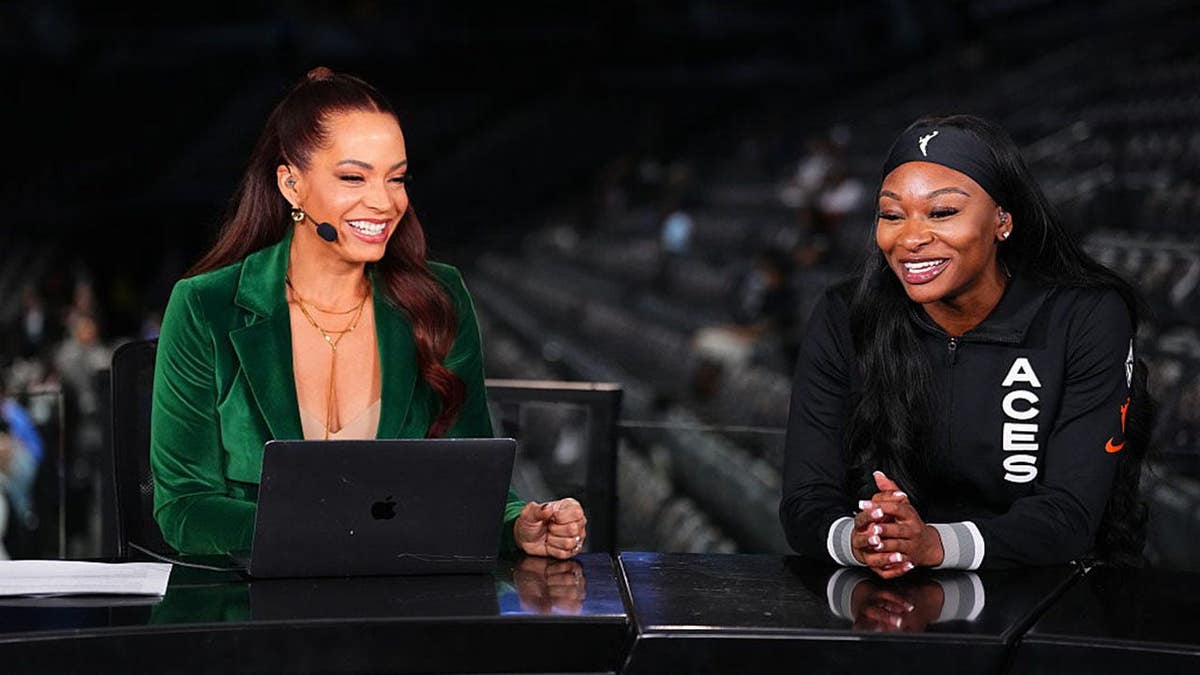
Former ESPN anchor Elle Duncan described the conversation around the WNBA as “toxic as hell,” asserting that Black women are specifically targeted. Discussing with Front Office Sports, Duncan stated that Black women seem unprotected and overlooked, making them vulnerable.
“It feels like open season to dunk on Black women because we do not have protection. Because no one cares. Because we are low-hanging fruit,” Duncan said during the conversation. She highlighted Black and transgender individuals as being among the most marginalized groups.
In her criticism, Duncan accused certain individuals of using Caitlin Clark to undermine Black and queer women. “It’s twofold for them—so you get to lift this one person up, and you get to, ultimately, reduce everybody else that isn’t her to nothing,” she noted.
However, Duncan did not present specific examples to support her claims about Black women or the WNBA. Some reject her premise, pointing out her career progress as evidence of existing protections. Duncan joined ESPN despite a 2013 DUI arrest and often used the platform for political expressions, prompting controversy.
While at ESPN, Duncan reportedly influenced decisions such as the removal of Sage Steele from a special due to concerns about Steele’s “Blackness.” She also paused broadcasts to address political issues, including Florida’s “Don’t Say Gay” bill and the Supreme Court’s abortion ruling. During these instances, ESPN did not discipline her, illustrating some protection within her career.
After departing ESPN, Duncan joined Netflix, continuing her media presence. Despite her statements, some argue that the idea of Black women lacking protection in the WNBA seems unfounded given various disciplinary actions, or lack thereof, within the league. For instance, A’ja Wilson faced no suspension after an altercation with a fan, while DiJonai Carrington similarly avoided punishment for a physical incident.
Media coverage of the WNBA has also shown support for Black women. ESPN features an all-Black female panel for WNBA discussions, and there have been criticisms of holding Caitlin Clark to different standards than Black players. Some regard Duncan’s concerns about toxicity as misplaced, given her role in politicizing league discussions when Clark entered the scene.
Caitlin Clark, as a well-known White player in the predominantly Black WNBA, has faced both scrutiny and support. Duncan and others have previously highlighted racial aspects of Clark’s fame, contributing to ongoing discourse inseparable from issues of race, sexuality, and privilege.
Critics argue that Elle Duncan and others bear responsibility for the toxic climate they decry, engaging in divisive rhetoric and actions that fueled the controversial environment. The arrival of a successful White player in the WNBA has spotlighted ongoing tensions, with discourse often reverting to issues of race and privilege, detracting from opportunities to uplift women’s basketball as a whole.
Writer Bobby Burack, for OutKick, contends that Duncan has significantly contributed to the negative climate, framing those who stoke division as victims. This perspective challenges Duncan’s narrative and suggests a broader examination of accountability within the discourse surrounding the league.