Canadian Man Battles for Home Care Amid Assisted Death Offers
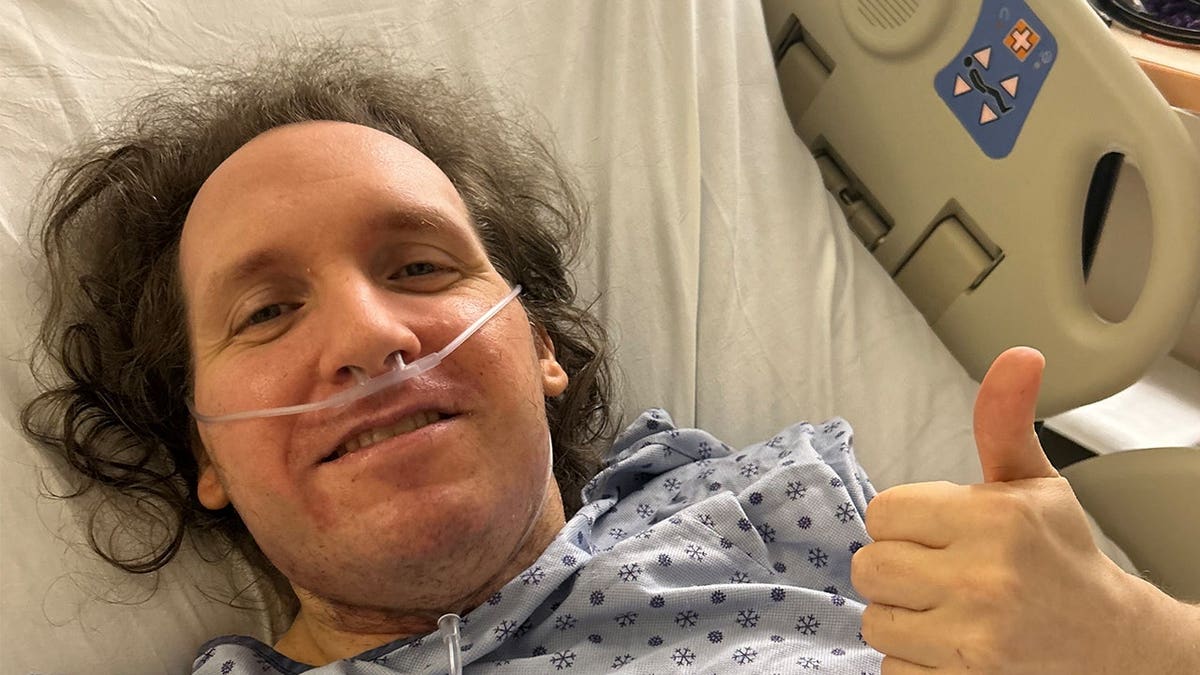
Roger Foley, a Canadian man with spinocerebellar ataxia, finds himself in a challenging battle for personalized home care as hospital staff at Victoria Hospital have raised the option of medically assisted death. This discussion emerged during his prolonged stay at London’s Health Sciences Centre in Ontario, where he has been fighting for a self-directed care plan since 2016.
Foley’s attending physician, Dr. George K. Dresser, underscored Foley’s ability to leave the hospital safely if the Ontario government approved a home-care arrangement tailored to his needs. In a letter dated July 7, 2026, Dresser noted that Foley’s prolonged hospitalization, despite his medical stability, stemmed from the existing programs’ failure to address his complex needs.
Dresser highlighted that the hospital’s conventional care approach poorly suited Foley, stating, “You have been at London Health Sciences Centre because the unique needs that you have cannot be met by existing programs in the community.” He argued that a self-directed arrangement would not only offer better-matched care but also be less costly for the healthcare system.
Foley suffered hospital-acquired infections and faced challenges with lighting accommodations until May 2025. He required amber-spectrum lighting due to sensitivity caused by his neurological condition. However, the hospital’s shift to fluorescent lights compelled Foley to wear protective goggles, worsening his condition. He alleged that this change made routine care, including eating and drinking, increasingly difficult.
Foley raised concerns over questions about suicidal thoughts, believing the hospital could not be trusted after previous suggestions of medical assistance in dying. He declined to engage in such conversations, concerned about the implications.
Determined to return home, Foley appeals for Ontario’s Ministry of Health to authorize funding for self-directed care. He aims to manage personal support workers himself, arguing it would provide consistent and safer care.
Despite setbacks, Foley expressed a strong desire to continue living independently. He maintained his apartment with aids such as a ceiling lift, while waiting for self-directed funding. He finds solace in projects like “Bring Roger Home,” which aids his fundraising efforts.
Foley opposes Canada’s Medical Assistance in Dying (MAID) policy, advocating for meaningful access to treatment and disability assistance. He argues for alternatives to assisted death, emphasizing the need for adequate medical and social support.
Ontario Ministry of Health, London Health Sciences Centre, and related entities were approached for comments but have not provided responses.