Democrats’ Challenges and Strategies Amid Progressive Promises
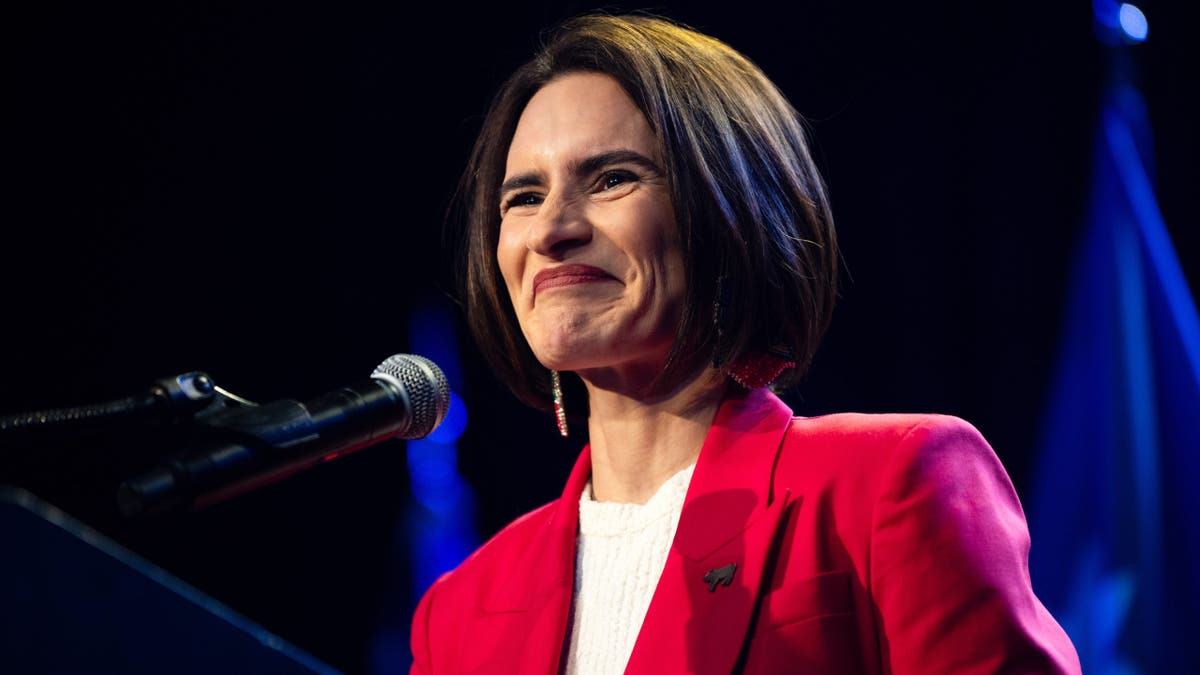
A familiar refrain is echoed in the political arena through a well-known line — campaign in poetry, govern in prose. This dichotomy is a central theme as progressive Democrats, including candidates like Minnesota’s Lt. Gov. Peggy Flanagan, advocate for expansive policies such as Medicare-for-all, the abolition of ICE, and a $25 an hour minimum wage.
Flanagan is observed in a competitive race against Republican Michelle Tafoya to succeed retiring Senator Tina Smith. Although the race leans in Flanagan’s favor, it is by no means certain. While Flanagan aligns with figures like Bernie Sanders on progressive issues, the broader scope of governance presents challenges.
Emerging Candidates and the Progressive Agenda
Across the United States, candidates such as Donavan McKinney in Michigan, Chris Rabb in Pennsylvania, and others in New York are introducing progressive narratives in areas where these ideas resonate strongly. However, the thrust of a Democratic win in Congress hinges on more moderate races. For example, Democrats like Cait Conley in New York and Brian Poindexter in Ohio are pivotal in potentially flipping seats that could secure the House for Democrats.
These moderate candidates, often referred to as ‘majority makers,’ hold keys to passing legislation. Their success or failure could significantly impact efforts to advance progressive legislation.
The Reality of Progressive Policies in Congress
Even with a Democratic majority, accomplishing sweeping reforms remains arduous. Filibuster rules in the Senate require 60 votes to pass most legislation, complicating attempts to push through radical changes. Additionally, should Democrats control Congress, President Trump is likely to exercise his veto power against extreme measures.
The challenge mirrors past legislative efforts where grand promises struggled to translate into reality. Examples include the Republican-led ‘Contract With America’ and Democratic efforts to shift Iraq policy, both encountering substantial hurdles.
Dynamics within the Democratic Party
House Minority Leader Hakeem Jeffries is grappling with the party’s internal divisions. Discussions with candidates backed by the Democratic Socialists of America are ongoing to secure legislative commitments. However, the full support of moderate Democrats remains crucial.
Even if a Medicare-for-all proposal surfaces, moderates from swing districts may resist. The political landscape in these areas, highlighted by figures like Rep. Marie Gluesenkamp Perez, indicates a disconnect between national progressive ideals and local electoral realities.
Jeffries has not endorsed sweeping health care reforms immediately. Instead, investigative agendas targeting the Trump administration may unify Democrats under a common cause.
Focus on Investigations
Investigations of the current administration could serve as a rallying point. Jeffries and others have promised oversight from positions of power, addressing issues allegedly stemming from the Trump administration. Despite the excitement surrounding potential legislative advances, investigations may prove more achievable, aligning with both progressive and moderate priorities.
Ultimately, while legislative goals such as the Green New Deal or minimum wage hikes face significant obstacles, Democrats might leverage investigative avenues to satisfy their base.