Putin’s Geopolitical Ambitions and the Legacy of Global Powers
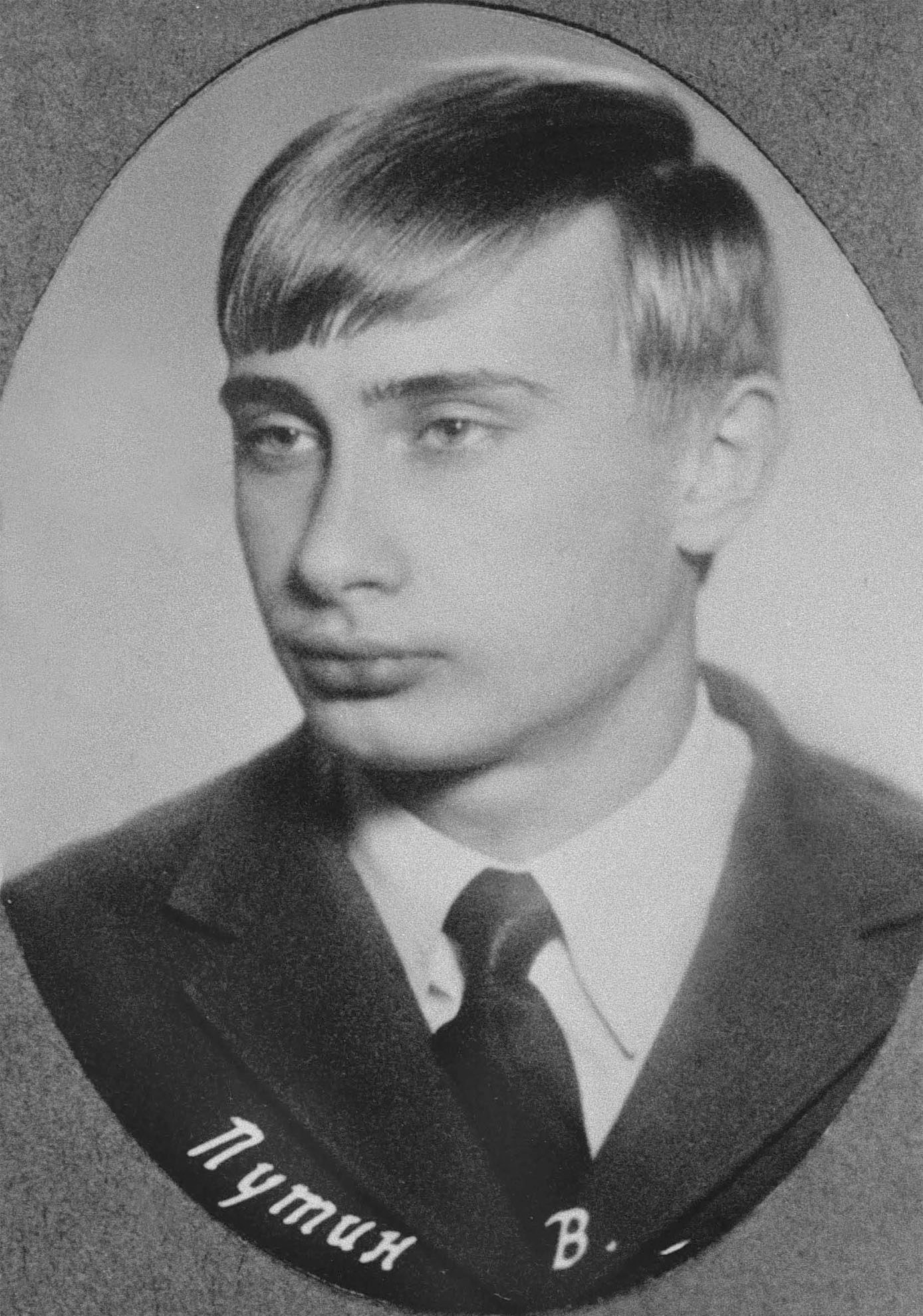
Bryan Adams’ song, “Summer of ’69,” evokes a sense of nostalgia for youthful romance and endless possibilities. During the summer of 1969, a young Vladimir Putin was experiencing his formative years in a different way. At 16, he was already eyeing a future with the KGB amid a challenging home life in a communal apartment.
Currently, Russian President Vladimir Putin is considering a meeting with China’s President Xi Jinping and Donald Trump during a summit in Shenzhen. The focus would be discussing the war in Ukraine. Notably, Ukraine’s President Volodymyr Zelensky and European leaders are not included in this proposal. This reflects a mindset shaped during the Soviet era when great powers dictated terms.
Excluding the Main Party
Putin’s plan highlights a paradox: Ukraine, directly impacted by the war, would not have a voice in its resolution. This approach aligns with viewing the world as a chessboard, where powerful nations decide outcomes. Smaller countries, like Ukraine, must accept externally imposed geopolitical destinies.
Historical precedents support this. In 1956, Soviet forces subdued a Hungarian revolt. In 1968, similar forces halted reform efforts in Czechoslovakia. More recently, Moscow opposed NATO’s expansion, demanding that Ukraine’s potential membership be abandoned.
Great Power Paradigm
Russian analyst Alexander Baunov compares Putin’s move to a “new Yalta,” aiming for significant powers to shape history. This perspective disregards the autonomy of regions considered lesser players. Putin yearns for the days when Russia was a superpower akin to the Soviet era, evidenced in his lament of its collapse as a geopolitical disaster.
Although Russia wields influence through nuclear capabilities, a U.N. Security Council seat, and energy resources, economically it lags behind the U.S. and China. In 2025, Russia’s economy was valued at $2.6 trillion, far less than China’s $19.5 trillion or the U.S.’s $30.8 trillion.
Ivan Timofeev of the Russian International Affairs Council acknowledges Russia’s lower status within the U.S.-China-Russia triangle. He notes that China is crucial for Russian exports and as a buffer against potential U.S. conflicts. Once foes, Russia and China now share a strategic partnership.
Divergent Views on Ukraine
In July 2021, Putin’s essay on “Historical Unity of Russians and Ukrainians” was published. He expressed respect for Ukrainian culture but denied its independence, suggesting true sovereignty required a partnership with Russia.
Putin’s ideology views Ukraine as part of the “Russian world,” holding a subsidiary status. He asserted, “all of Ukraine is ours,” dismissing previous acknowledgments of its sovereignty.
Trump seems open to a meeting with Xi and Putin, emphasizing discussions on nuclear issues. However, such a meeting reflects Putin’s world view that great powers determine global destiny, solidifying Russia’s status among them.