U.S. Navy Expands AI-Powered Robotics Contract for Warship Inspections
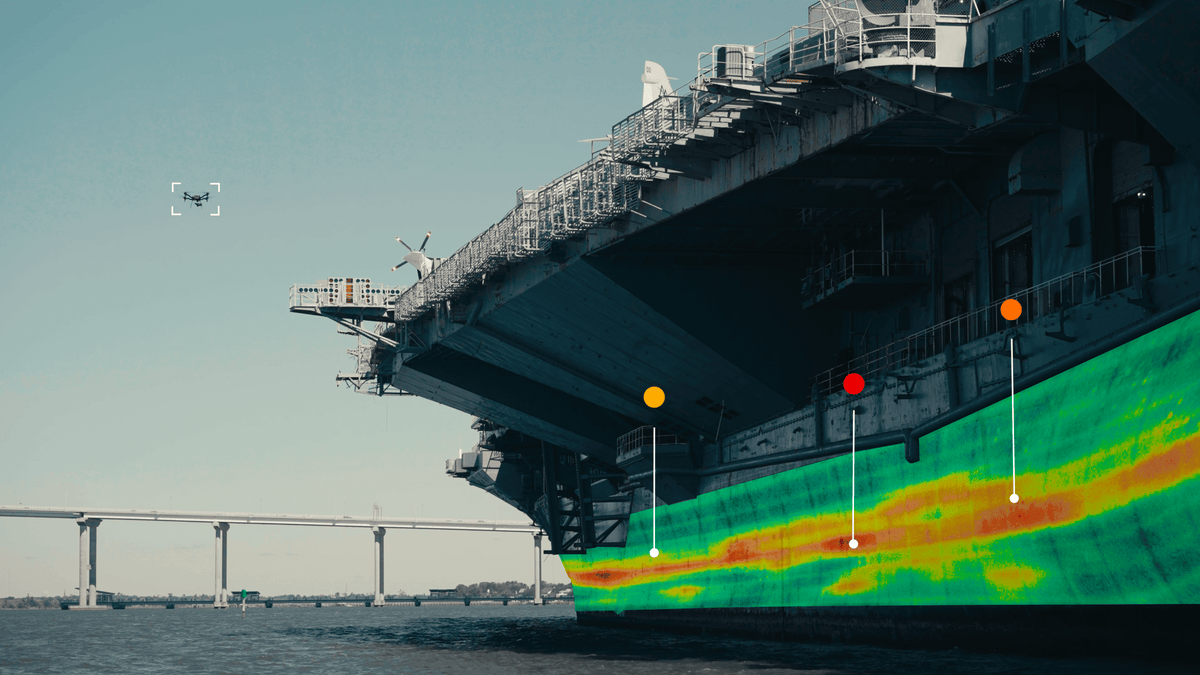
The U.S. Navy is significantly increasing its investment in AI-powered robots, raising the ceiling on a contract for inspecting warships to $300 million. This move highlights the military’s emphasis on technological solutions to enhance fleet readiness. The previous contract cap was $71 million, but the Navy now aims to improve ship maintenance efficiency amid competition with China’s growing fleet.
Gecko Robotics, based in Pittsburgh, is at the forefront of this initiative. CEO Jake Loosararian emphasized the strategic advantage of using technology to maintain and operate vessels more efficiently than China’s rapid shipbuilding pace.
The company’s technology offers potential savings of up to $8 million per ship in repair costs, identifying structural issues at a rate up to 50 times faster than traditional methods.
“While the U.S. may not out-manufacture China, we can outsmart in maintenance and readiness,” said Loosararian.
Gecko Robotics employs robots and AI software to survey structural conditions on Navy warships. Their new robot, Komodo, inspects steel under thick coatings on decks without needing to remove them, likened by Loosararian to performing a “CAT scan” on the ship’s deck. Traditionally, this process required stripping material to assess the underlying condition, a step now rendered unnecessary by Komodo.
An example showcased the technology’s precision: an initial assessment indicating 1,200 square feet of needed repairs was reduced to 300 square feet after robotic inspection, focusing efforts and reducing labor.
Gecko’s robots, including wall-climbing models, are used to inspect areas prone to corrosion or metal loss, feeding data into Gecko’s Cantilever platform. This data helps planners target repairs early, avoiding unexpected issues that often prolong ship maintenance periods.
The Navy’s contract expansion follows an initial $71 million agreement to implement Gecko’s technology on 18 ships in the Pacific Fleet, including destroyers and amphibious warships. The goal is to achieve fleet readiness of 80%, addressing the challenges posed by maintenance delays that reduce ship availability.
Gecko aims to utilize inspection data over time to predict potential issues before they occur, facilitating timely repairs. This predictive maintenance reduces labor-intensive inspections, addressing skilled labor shortages in the shipyard industry.
Ultimately, Loosararian noted the combination of robotics and AI allows workers to allocate more time to repairs rather than identifying issues. For the Navy, maximizing the efficiency and readiness of existing ships is as crucial as building new ones in response to the expanding Chinese fleet.