Violence in France Spurs Immigration Policy Debate Across Europe
Dr. Qanta Ahmed from the Independent Women’s Forum has raised alarms about increasing violence in Europe linked to pro-Palestinian and communist mobs clashing with police. More than 800 rioters have been arrested in France for looting and setting fires, prompting a deeper analysis of cultural and political changes fueling these protests across European cities.
As images of destruction spread through Europe, leaders in Hungary and Poland are focusing not on the unrest but rather on redefining the migration debate. Both nations have taken firm stands against accepting unchecked immigration, a stance that has led to fines and sanctions from the European Union.
According to Eurostat, by 2025, France had nearly 10 million foreign-born residents, and Italy had about 7 million. Poland and Hungary had far fewer, with 1 million and less than 700,000 respectively.
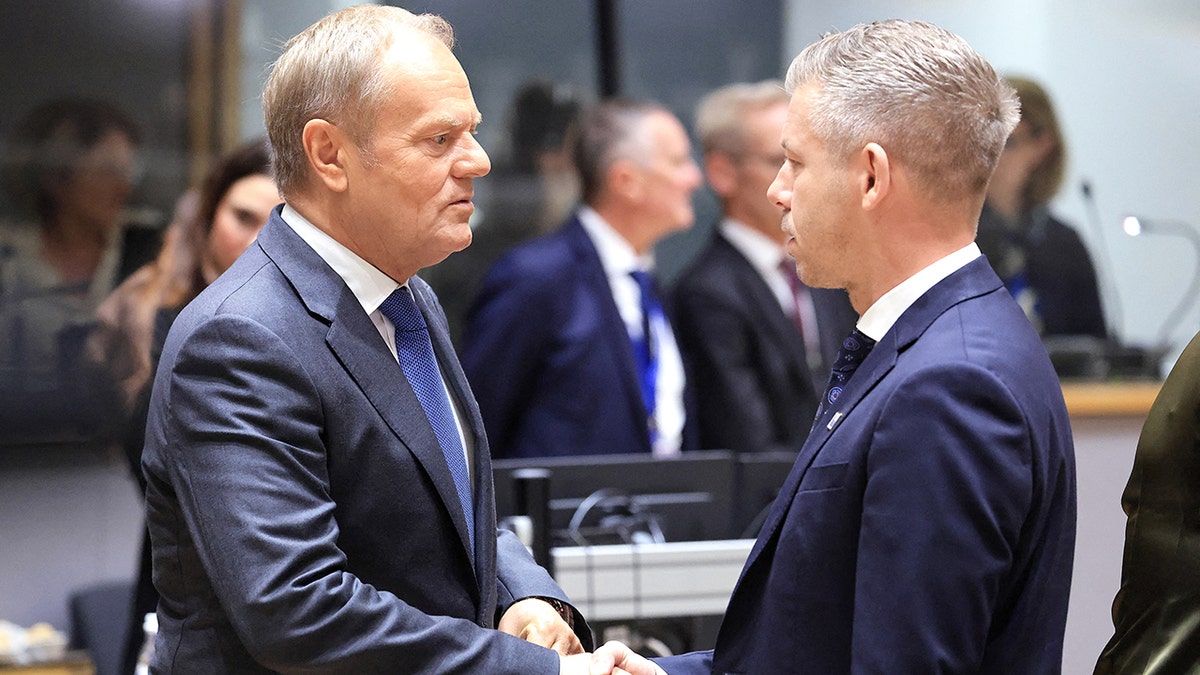
Hungary’s Prime Minister Péter Magyar and Poland’s Prime Minister Donald Tusk have used recent violence to justify their strict immigration policies. Magyar emphasized Hungary’s commitment to border protection, while Tusk stressed Poland’s resolve to avoid the migration issues faced by other countries.
Sweeping images of chaos become political tools. Leaders advocating stringent immigration policies suggest such chaos is what they seek to prevent.
Statistics from Eurostat indicate high crime levels in France with 304,900 police-recorded offenses in 2024, while Poland and Hungary show significantly lower numbers.
According to Central and Eastern European academics, the riots in France are tied to issues of immigration and integration failures.
Magyar’s comments reinforce a political message of protecting Hungary’s identity and security. Tusk takes a similar stance, equating liberal immigration policies with national instability.
This message resonates with Hungary’s and Poland’s national identity, which historically ties EU membership to singular nation roots.
Recent violence in France and the subsequent political responses underline that political narratives across Europe are aligned with local priorities, even as issues span national borders.
Poland’s upcoming parliamentary election and Hungary’s national commemorations emphasize the timing of these messages, reinforcing political solidarity through a local and historical lens.
Tyler Speicher, a journalist with experience covering significant global events, contributes insights on these political dynamics from his base in Slovenia.