FTC Examines Pricing and Compensation Practices of Major Companies
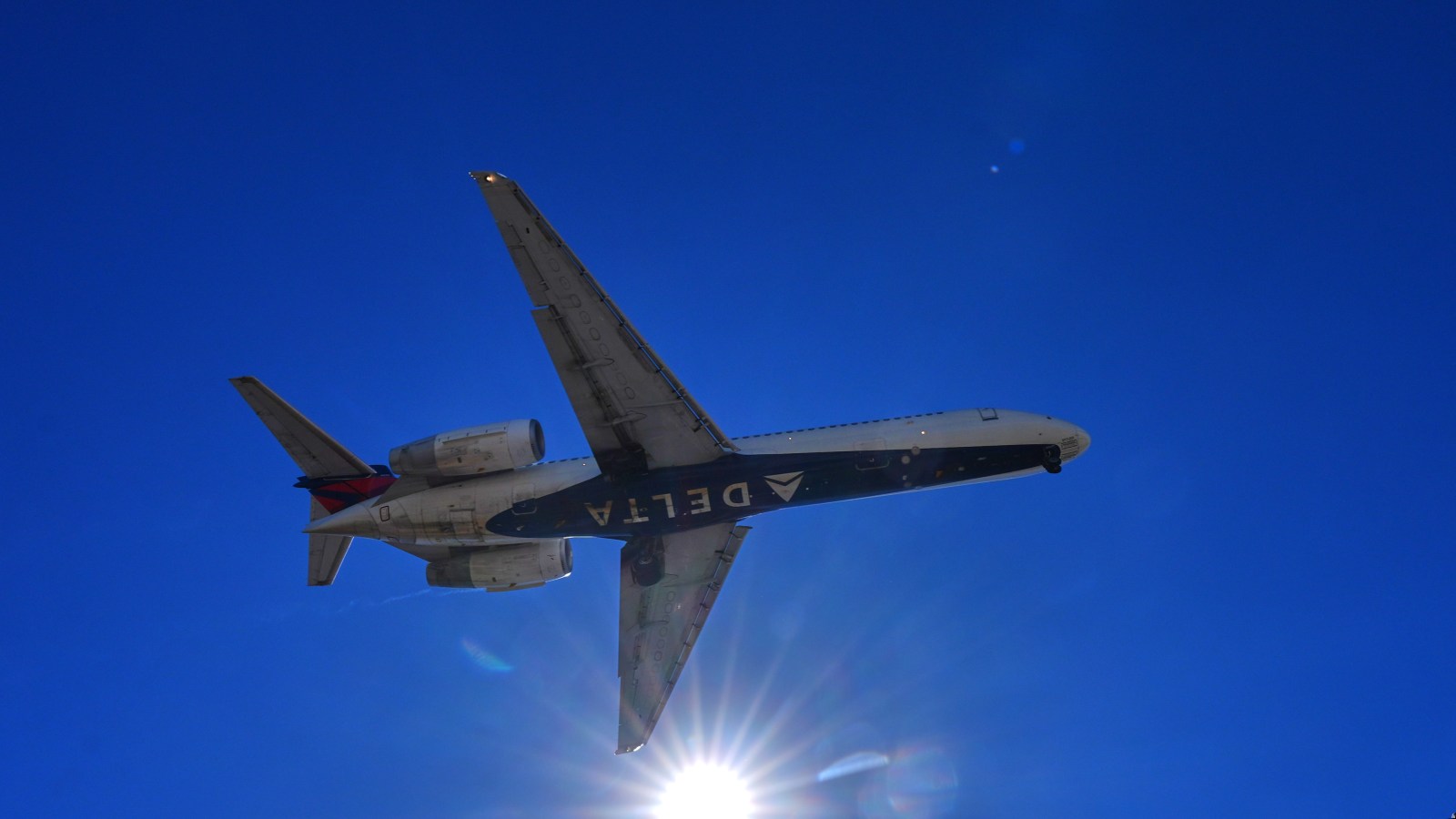
The Federal Trade Commission (FTC) has issued orders to nine companies to provide details about their pricing strategies for consumers and how they determine pay for gig workers. The companies targeted include Delta Air Lines, United Airlines, JetBlue, Lyft, Uber, DoorDash, Instacart, Target, and Walmart.
The FTC’s objective is to analyze if prices or compensation for identical products or services differ for individuals based on personal data or factors like loyalty program participation. This initiative forms part of a market study under Section 6(b) of the FTC Act, which grants the authority to conduct wide-ranging studies without specific law enforcement intentions. This information-gathering move does not imply that any of the companies breached the law.
Companies Highlighted by the FTC
The FTC’s focus includes three airlines: Delta, United, and JetBlue; two ride-sharing companies: Lyft and Uber; two food delivery companies: DoorDash and Instacart; and two retailers: Target and Walmart.
The inquiry encompasses more than just consumer pricing. For services like ride-sharing and delivery, the FTC explores how companies calculate worker compensation. Compensation offers to drivers may vary based on complex formulas possibly involving data such as phone usage and previous acceptance history. Companies must document the methods and tools they use for setting or adjusting consumer prices and worker pay. Each company has 45 days to respond after receiving the order, or the FTC may pursue court action to enforce compliance.
Understanding Personalized Pricing
Personalized pricing entails setting varied prices for different users based on their personal data or behaviors, including online activity, purchase history, or loyalty membership. It differs from other price variations like sales or demand-driven changes. The FTC intends to scrutinize what data companies are using to set prices and if similar data influences gig worker offers.
The agency clarifies that its previous studies in 2024 looked at intermediaries providing pricing tools. The current orders aim directly at companies potentially employing such tools or methods themselves.
Consumer Reports’ Findings on Instacart
Instacart, one of the companies addressed, underwent separate testing by Consumer Reports, Groundwork Collaborative, and More Perfect Union to explore its platform’s price variations. Over 437 participants shopped identical grocery baskets simultaneously, with 193 submissions analyzed. Results showed about 75% of items had multiple price points, some differing by as much as 23%. Basket totals varied on average by about 7%.
Tests on platforms like Albertsons, Costco, Kroger, Sprouts Farmers Market, Safeway, and Target also indicated price differences. However, they did not establish that personal data caused these variations. Instacart clarified its tests were short-term and randomized without using personal or demographic data for pricing. At that time, ten of its retail partners were using Eversight pricing tools, without naming them.
A survey of 2,240 U.S. adults reported 72% of recent Instacart users opposed differential pricing. Columbia Business School adjunct professor Len Sherman noted the societal impact of algorithmic pricing as significant and growing.
Upcoming Developments
The responses from involved companies will aid the FTC in understanding the criteria used in pricing and pay strategies. The orders aim to gather direct information from businesses, separate from past analysis of pricing-tool intermediaries. While the FTC has not announced any action against the nine companies, no public timeline for releasing findings has been provided.
For more details, Newsweek reporters Rebecca Flood and Emma Lee-Sang remain in contact regarding this case.