U.S. Army Rehearses Mass Temporary Burial Procedures
Training for High Casualty Conflicts
For the first time in decades, U.S. Army soldiers are receiving training to bury fellow troops in temporary graves en masse. This exercise rehearses the military’s response to high casualty scenarios while still engaged in active conflict.
Involvement of Various Units
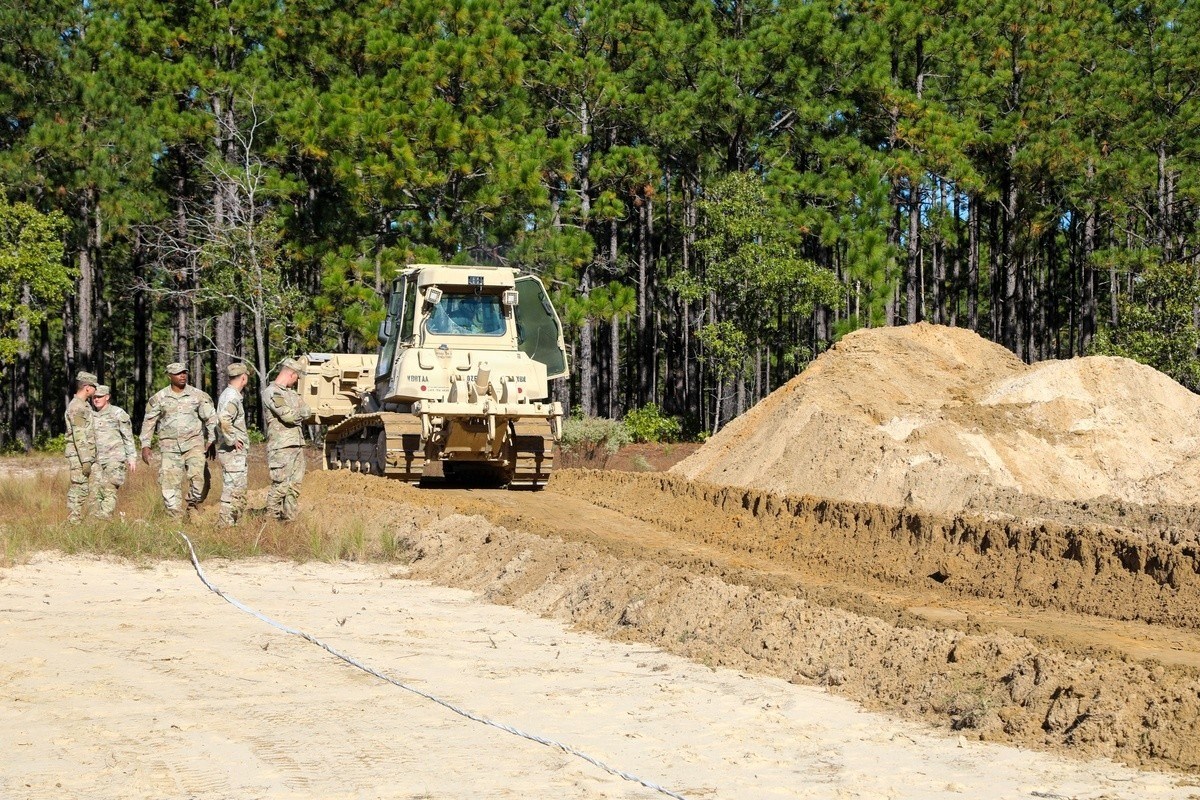
Soldiers from the 3rd Corps Sustainment Command and the 20th Engineer Brigade at Fort Bragg, North Carolina, participated in the drills. Religious support personnel, including military chaplains, also took part. They used equipment such as diggers and excavators to understand how to preserve bodies intact for future identification and repatriation.
Historical Context
The previous large-scale need for temporary burial sites was during the Korean War. Nearly 37,000 U.S. personnel were killed between 1950 and 1953. Today, the peninsula remains divided. Over recent decades, U.S. forces in conflicts like Iraq and Afghanistan have focused on rapidly evacuating deceased soldiers back to the U.S., rather than creating temporary graves.
Logistics and Procedures
Military operation teams can’t always conduct individual burials or religious rituals during intense conflicts. Continuation of ongoing military operations takes precedence, impacting how remains are managed.
Commanders at all levels hold responsibility for deceased soldiers’ remains, ensuring identification is possible later. Standard temporary burial plots consist of five trenches, accommodating up to 100 casualties. In Fort Bragg’s drills, burial plots were filled efficiently.
Efficiency in Temporary Burial
Using eight bulldozers and four military excavators, the processes can handle up to 2,400 soldier remains in 24 hours. Sergeant 1st Class Delbert Ruede emphasized the importance of methodical and respectful management of fallen soldiers during high-stress scenarios.
Chaplains and Religious Personnel Training
The Fort Bragg exercises marked the first time in over 20 years that Army chaplains and religious affairs personnel trained in battlefield temporary burial practices. This ensures a respectful approach to managing soldier remains.