China’s Influence Over Western Free Speech and Kylian Mbappé’s Apology
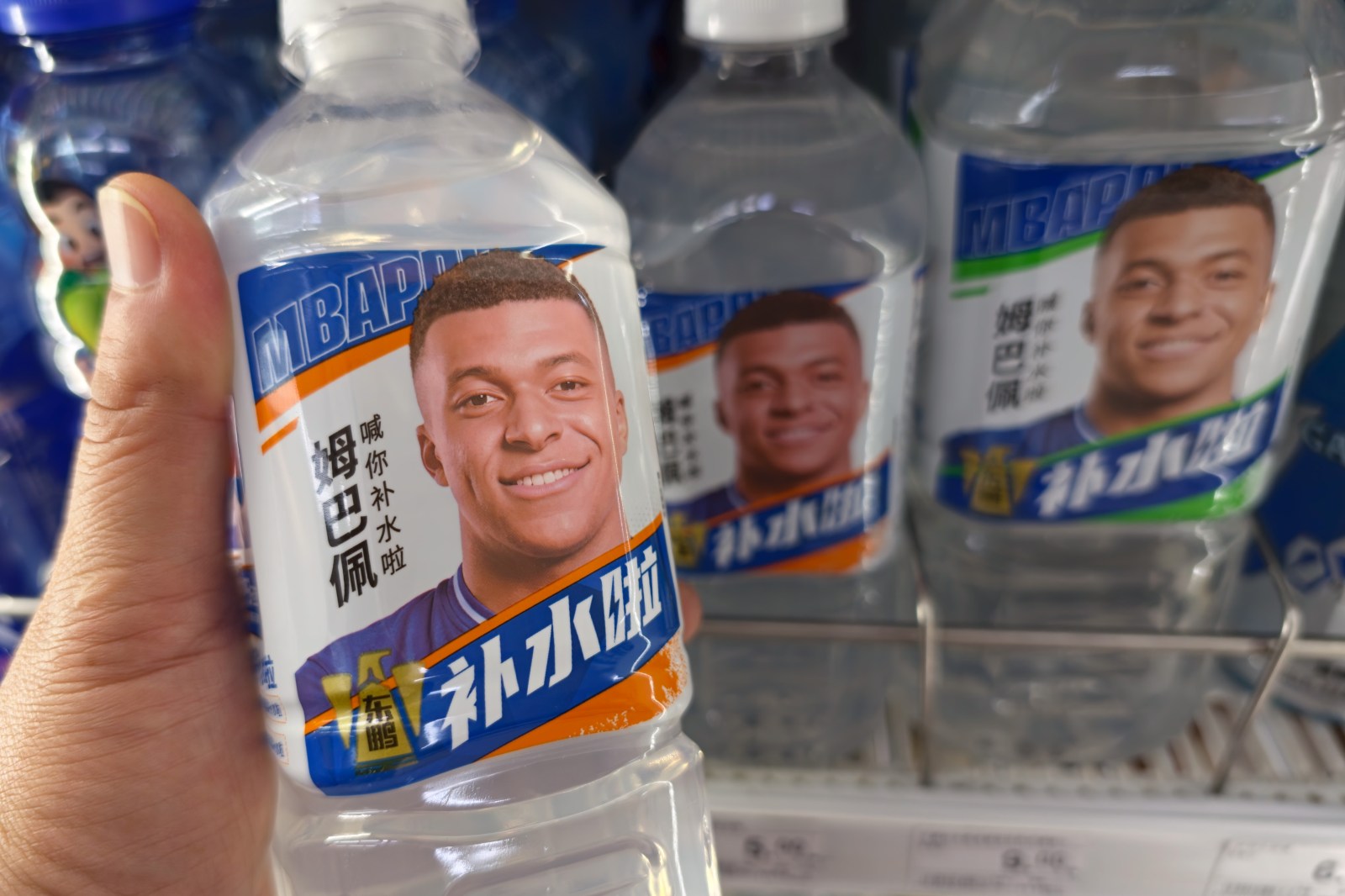
China’s Communist Party maintains a careful control over discussions about Chairman Mao Zedong, who remains a delicate subject. This was evident when the French soccer player Kylian Mbappé and Real Madrid, his club, faced backlash for comments deemed disrespectful towards the late leader. In an old interview, Mbappé mentioned a meme of his face on a ‘Chinese dictator,’ a faux pas that sparked significant repercussions.
Mbappé’s comments resulted in swift actions by Chinese companies. Several brand deals were canceled, and the country’s state television suspended broadcasts of Real Madrid matches. This backlash was linked to Mao’s complex legacy in China and demonstrated the influence of the Chinese market on Western entities.
China’s Financial Impact
China represents a substantial market for Mbappé and Real Madrid. An estimate suggests a third of Mbappé’s $30 million annual commercial income derives from China, with potential losses exceeding $100 million if the market remains inaccessible to him. Additionally, Real Madrid earns about 15% of its international merchandise revenue from China, with Mbappé’s jersey topping sales.
La Liga’s financial interests are also affected. As a major international market, China contributed significantly to the league’s income, which surpassed $1.7 billion for the 2024-2025 season, half from international sources.
Rapid Apologies and the Streisand Effect
The reactions included immediate apologies from Mbappé, the Spanish league, league president Javier Tebas, and Real Madrid. Chinese government spokesperson Guo Jiakun noted the apologies but did not confirm if brand deals or broadcasts would resume.
Historical cases reflect China’s sensitivity: John Cena apologized for calling Taiwan a country and James Harden for his general manager’s support of Hong Kong protests. Marriott International also offered apologies for listing Tibet and Taiwan as separate countries.
Mao’s Legacy and Public Debate
Chairman Mao’s legacy involves policies linked to millions of deaths during industrialization efforts and the Cultural Revolution. Despite these controversies, public debate remains restricted, particularly with current leader Xi Jinping’s growing personality cult.
The Chinese soccer forum Dongqiudi spotlighted Mbappé’s remarks, hinting at legal action and inadvertently triggering the Streisand effect. Curiosity led Chinese users to explore VPNs to find the comments, raising public interest in Mao’s past. State media avoided detailing the remarks, focusing instead on the alleged hurt.
Western Debate and China’s Control
Within China’s Great Firewall, censorship limits access to certain discussions. Western debate on Mao continues, but Beijing controls internal narratives. A search for ‘dictator’ on Weibo yields no results tied to Mbappé, while his name displays propaganda critiques.
China’s leaders view silence as preferable to debate on Mao’s image. Some local voices lament the missed chance to reshape international perceptions, but China’s strategy prevails.