The Influence and Power of Elon Musk in Politics and Technology
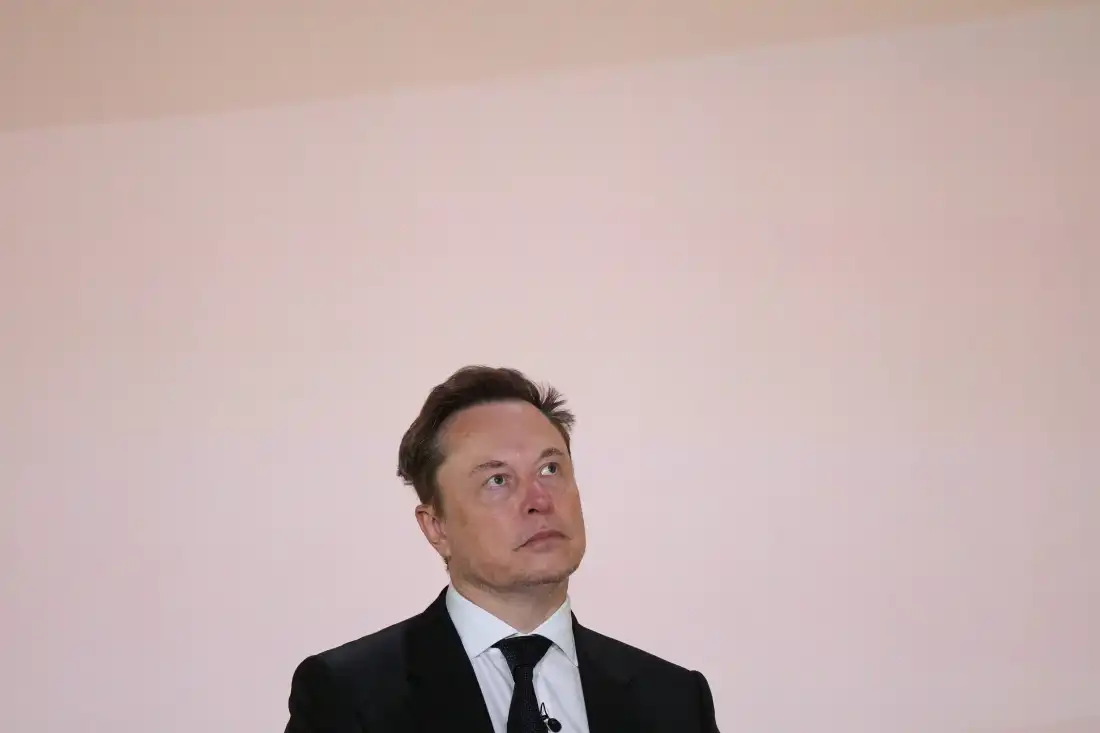
Elon Musk, during a significant event marking the America.gov website launch on September 29, 2026, in Washington D.C., drew attention due to his substantial political involvement. Currently, Musk has contributed over $400 million to Republican causes for the upcoming midterm elections, a figure surpassing the combined donations of mega-donors Michael Bloomberg and George Soros to Democratic causes. This data was reported by media outlets such as The Washington Post and CNN.
This month saw Musk’s company, SpaceX, temporarily limit Ukraine’s access to the Starlink satellite system, an action that disrupted Ukrainian drones. Kara Swisher, a seasoned tech journalist, criticizes Musk for wielding such influence in warfare decisions, especially given his status as the world’s wealthiest individual. David Nasaw, a distinguished history professor from City University of New York, shares this viewpoint.
Narrating Musk’s unprecedented financial threshold crossing into trillionaire status, Nasaw contrasts him with historical figures, noting Musk’s considerable political sway, facilitated by substantial federal financial support to his companies SpaceX and Tesla. “It’s an unholy alliance,” Nasaw remarks, suggesting Musk utilizes his wealth to favor supportive political figures.
“The current democratic system lacks mechanisms to scrutinize individuals like Musk,” says Nasaw, urging for legislative changes to tax billionaires and curb campaign finances.
On the contrary, history professor Richard White from Stanford posits Musk’s influence is not unparalleled, citing J.P. Morgan’s dominance during the Gilded Age. Morgan’s role in averting a U.S. financial crisis in 1895 and subsequent restructuring of major railroads illustrates substantial historical financial influence. However, President Teddy Roosevelt’s intervention dismantled Morgan’s monopoly.
Despite Musk’s critics, Marian Tupy of the libertarian Cato Institute views non-conformists as catalysts for innovation, suggesting such individuals drive economic expansion. Tupy supports unrestricted political spending, claiming affluent participants possess insights beneficial for economic progress.
Musk’s significant financial involvement doesn’t invariably ensure electoral success, exemplified by his $20 million expenditure on Wisconsin’s Supreme Court race resulting in defeat. Musk’s companies thrived during Trump’s tenure, yet potential Democratic ascendancy poses challenges. White highlights how government opposition could swiftly undermine Musk, remarking SpaceX’s dependency on federal backing.
Amidst discussions of a Democratic probe against Musk, his protective stance emerges via public declarations on his social media platform, asserting retaliation against adversaries.
Historian H.W. Brands examines the ongoing conflict between democracy and capitalism, akin to past tensions involving historical industrial moguls. Brands suggests impending reforms focusing on democratic principles could follow Trump’s presidency, drawing parallels with the early 20th-century trust-busting actions.