Florida’s Proposed Amendment 3: The Impact and the Debate
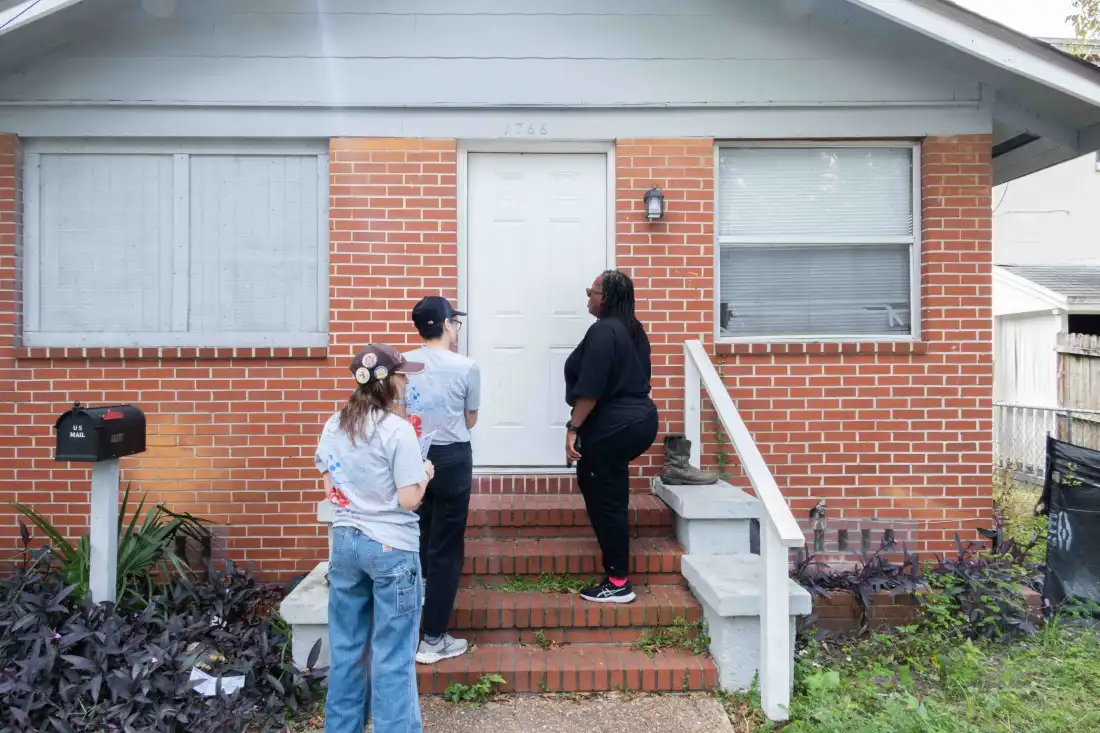
Volunteers from Florida Rising, a progressive nonprofit, are taking to the streets of Jacksonville, Florida. Their mission is simple: to encourage residents to vote against Amendment 3, a proposed measure that seeks to reduce property taxes. This ballot initiative could have significant implications for local government revenue and public services.
Facing the Challenges
Rachel Dues, motivated by the midterm elections, embodies the drive to make a difference. Living in a time of rising expenses, Dues, aged 54, is acutely aware of the economic pressures mounting around her. Gasoline prices are high, rent is increasing, and basic necessities like groceries and utilities strain her budget. To her, the midterms represent an essential opportunity to address these challenges.
Amendment 3 presents a choice for voters about economic relief. This proposal could allow the exemption of a larger portion of homestead taxes. Currently at $50,000, this amount could increase to $250,000 over two years. While some see potential savings, others like Dues worry about the ripple effects on local services.
The Debate
“One of the things our members are always knocking on doors and asking is: affordability? For who?” said Steven Johnson from Florida Rising.
For Florida, a state known for minimizing taxes, Amendment 3 becomes a pivotal question. If enacted, it would reduce billions from local governments’ budgets. Proponents argue that excessive property taxes burden homeowners. Yet, critics warn of decreased funding for essential services, a concern echoed across the state.
Florida’s economy experienced growth with increased property values post-pandemic. Still, voters must weigh the benefits of tax relief against potential service cuts. Emergency services and infrastructure may be at risk, fueling ongoing debates.
Perspectives on Amendment 3
Some officials believe the warnings of cuts are exaggerated. Others, like Sen. Rick Scott, believe local governments can eliminate waste. Yet, there is concern that reducing services like libraries and public transit could affect communities adversely.
Mike Weinstein, Jacksonville’s chief administrative officer, notes how his city relies heavily on property taxes for its $2 billion budget. A loss in revenue could impact various services for residents.
Community Engagement
Engagement in local politics is vital to individuals like Maggie Fernandez. Although she might gain from the amendment, Fernandez prioritizes community welfare. She actively works with Florida Rising to inform and mobilize voters to reject the proposition.
In the final days before the election, campaigns intensify. Volunteers such as Dues and Fernandez are committed to raising awareness about Amendment 3’s potential drawbacks.
The Bigger Picture
As voting progresses, many Floridians remain wary of the amendment’s long-term effects. Dues, mindful of her reliance on public assistance, underscores the importance of local services. She contemplates how these programs’ reduction might affect everyday life, emphasizing education in voter decision-making.
The amendment requires a 60% supermajority to pass. Dues continues her efforts, educating and urging the community to consider the broader implications of their vote.