Gov. JB Pritzker’s reelection strategy focuses on past achievements and combatting Trump policies
Celebrating his 2022 victory over Illinois lawmaker Darren Bailey, Governor JB Pritzker looks ahead to another term in Springfield. The billionaire Democrat presents himself as the “happy warrior,” a title inspired by ex-Vice President Hubert Humphrey. Over the past two years, Pritzker has emphasized the ‘warrior’ aspect. He stands as a vocal opponent of Republican President Donald Trump’s policies.
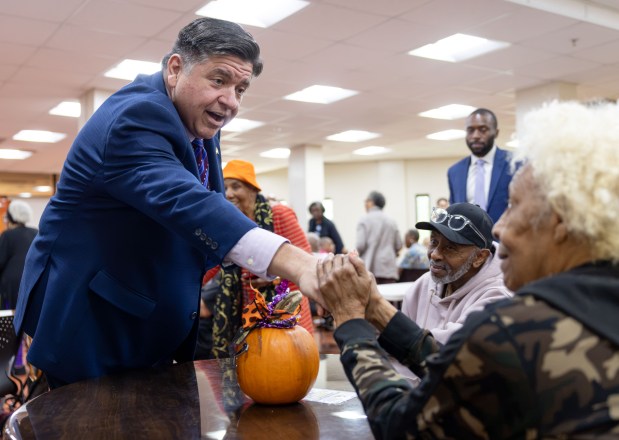
During the early voting session in Chicago’s wards before November 3, Pritzker addressed faith leaders, highlighting his optimistic approach to solving state and national issues. Speaking at Evening Star Missionary Baptist Church, Pritzker emphasized the importance of focusing on potential positive outcomes.
“We’ve spent too much time worrying about what might go wrong that we’ve forgotten to consider what might go right,” Pritzker said. “I’m running for reelection because I believe in positive change.”
He presented his vision of fair pay for full-time workers, stating they should earn enough to afford basic needs, healthcare, a dignified home, and retirement savings. Yet, his speech lacked a concrete plan for tackling current affordability issues or other pressing challenges in Illinois.
In a campaign interview, Pritzker outlined measures he hopes for Democrats in Washington to pursue if they secure Congress. Proposals include raising the federal minimum wage and implementing universal healthcare and paid leave. However, when asked about his plans as potentially the first Democrat elected to three gubernatorial terms, he was less specific.
Pritzker reflects on achievements, like increasing the minimum wage in his first term and passing a statewide paid leave law in his second term. His cautious approach avoids over-promising amid likely large Democratic legislative support.
Pritzker’s success and reputation partly stem from standing up to Trump, as political scientist Tabitha Bonilla explains. With a solid track record from Springfield, he faces less need for bold policy proposals in his reelection bid. Unfinished business fuels his agenda more than new initiatives.
The governor is exploring affordability solutions, including the repeal of a nuclear power moratorium to attract more nuclear power in Illinois. This process, he admits, takes time. He also aims to advance an affordable housing plan to increase multifamily dwellings in single-family zones. However, the proposal faced setbacks earlier this year.
Pritzker’s ambition includes expanding preschool access by adding 20,000 seats to state-funded programs over four years. But state budget constraints have stalled this initiative. Credit stability remains core to his campaign, though economic uncertainties pose fiscal challenges.
Plans from Bailey, such as suspending the gas tax, face legal challenges under the Illinois Constitution that assigns revenue decisions to the legislature. Pritzker’s task ahead is to navigate economic uncertainties heightened by federal policies and global events.
Instead of pursuing tax hikes or cuts, Pritzker leans toward balancing the budget annually. Despite proposing a graduated income tax in 2020, which voters rejected, he directs potential new attempts to lawmakers.
Illinois’s property tax system stands among the nation’s highest, impacting affordability. Solutions require the state to cover more education costs, typically funded by local property taxes, a politically sensitive topic, as public finance expert David Merriman notes.
Bailey suggests capping real estate tax rates, potentially disrupting local budgets. Former Republican strategist and independent candidate Collin Corbett also criticizes Pritzker, calling for an expanded sales tax.
Illinois municipalities face property tax pressures as Pritzker challenges them to reduce levies. The state aims to support local initiatives through increased education funding and economic development measures like cannabis legalization and expanded gambling.
Pritzker’s relationship with unlikely supporters reflects his strategic focus. Notably, the Illinois Retail Merchants Association endorsed him, highlighting his willingness to compromise.
Besides focusing on state issues, Pritzker stands firm against Trump’s policies. His response to Operation Midway Blitz resonated with veterans groups. Reflecting on his leadership, Army veteran Chris Gentry praised Pritzker’s support against federal overreach and his commitment to constitutional values.
“Leadership is not about talking tough. It’s about holding the line when it matters,” Gentry stated, lauding Pritzker.
In his acceptance of endorsements from veterans groups, Pritzker emphasized readiness to resist Trump’s policies, affirming ongoing support for veterans and keeping Trump’s influence at bay in Illinois.