Experiences and Challenges of Naturalized Citizens and Immigrant Families in U.S. Elections
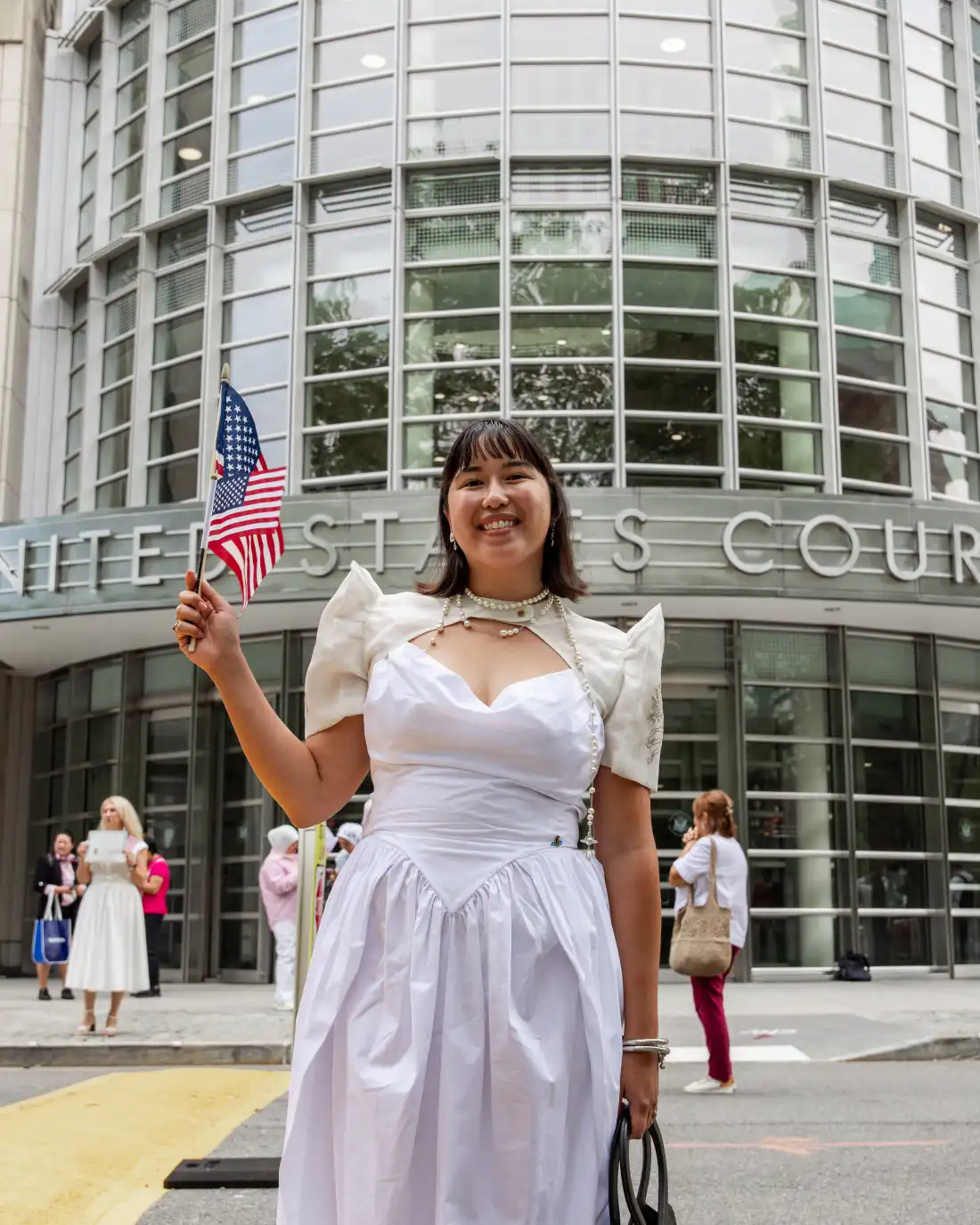
Naturalization and Voting: A Milestone for New Citizens
Nicole Solis-Sison reflects on the day she became a naturalized American citizen. Originally from the Philippines, her journey started when she moved to the United States at the age of seven. Her family’s asylum-seeking status marked the beginning of their American journey. Solis-Sison initially thought their stay in the U.S. would be temporary, awaiting stability back home. However, the Philippine government demanded their return, intervening in international immigration territory. A compassionate agent from the then-Immigration and Naturalization Services (INS) recommended they file for asylum, allowing them to remain legally in the U.S.
After navigating the complex immigration system for over two decades, Solis-Sison finally became an American citizen. At 34, she is energized to vote for the first time in New York City, creating her own voter guide and diary. Her immigrant experience drives her voting decisions, feeling a responsibility to protect those who face similar challenges.
The Journey of Undocumented Youth to Citizenship
Juan Escalante’s story is one of resilience. Originally from Venezuela, Escalante moved to the U.S. at 11 and lived a seemingly typical life until high school, when he learned he was undocumented due to his family’s mishandled immigration case. His status improved with the Deferred Action for Childhood Arrivals (DACA) program under President Obama, allowing him to graduate college and eventually gain U.S. citizenship in 2025.
Now participating in his first general election, Escalante deeply values the power of voting and its impact on community and future. Despite feeling overwhelmed by the size of his ballot as a California resident, he commits to thoroughly researching every proposition and candidate, ensuring his votes reflect immigrant values.
Voting for Family and Community: The Motivations of Mixed-Status Families
Deisy España, a 24-year-old from Wisconsin, carries the weight of her family’s immigration history into the voting booth. Born in the U.S. to undocumented Mexican parents, she now understands the fears they faced. Her mother has since obtained a green card, yet the fear persists, exacerbated by recent political climates and immigration policies.
For España, voting is a means to support her family, especially as her parents cannot vote themselves. Her message to other young voters from immigrant families is clear: vote for the future of your loved ones.
Likewise, Leydi Gonzalez, 23, from Texas, prioritizes her family’s legal status over personal experiences, like celebrating turning 21. By petitioning for her Salvadoran parents, Gonzalez hopes for residency approval, amidst fears of potential deportation.
Gonzalez emphasizes that voting is not just for personal interests but for family security. Despite high stakes reflected in recent incidents within her community, she remains hopeful for change in upcoming elections, with significant races potentially shifting political control.