The Rise and Decline of the Granny Chic Aesthetic
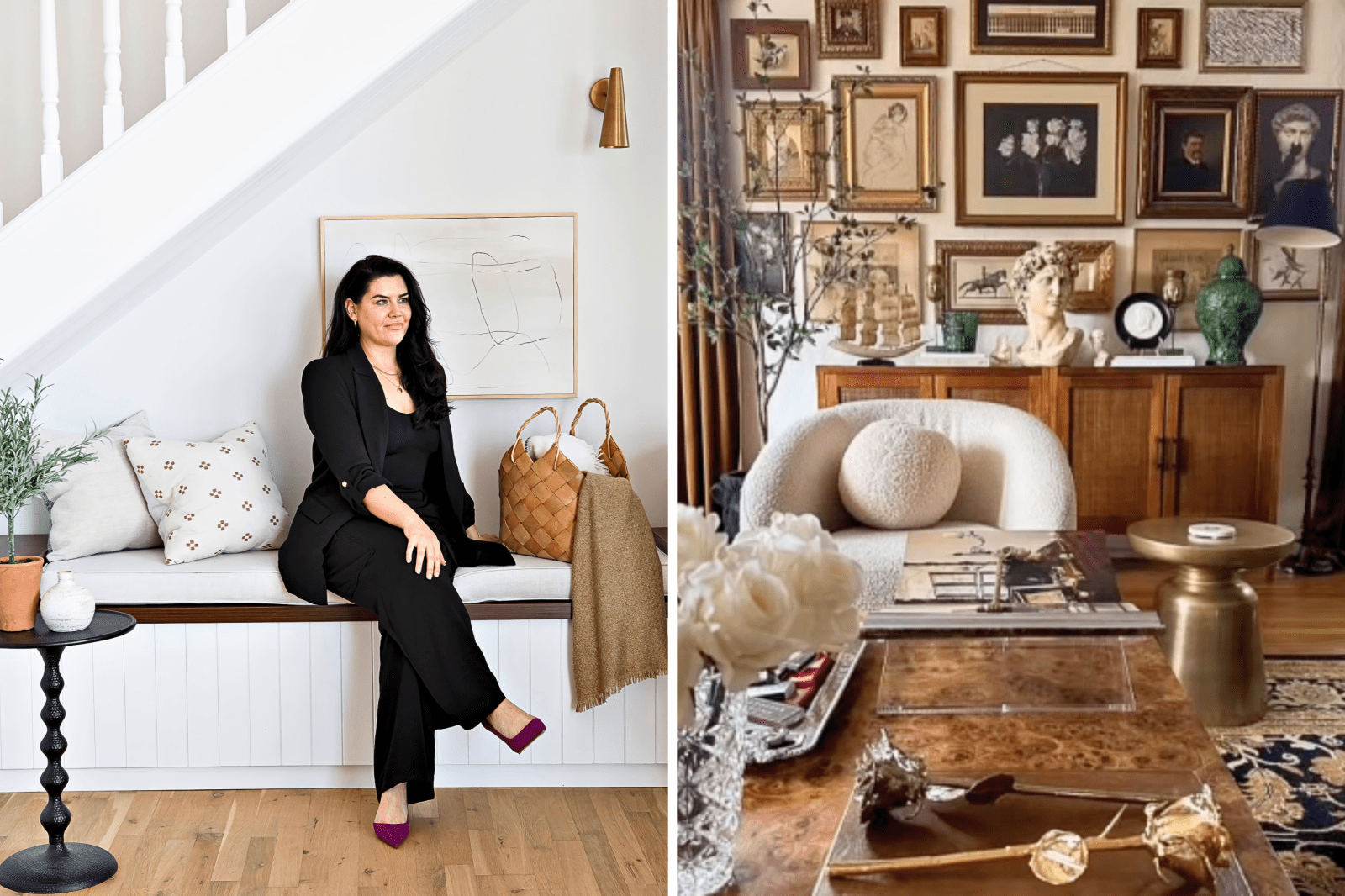
The granny chic aesthetic has captured attention on Pinterest and Instagram with its cozy woods, gold finishes, and vintage charm. However, its appeal might be fading. Designers note that trend lifecycles have shortened, making it easier to predict their decline.
Analyzing the Trend’s Evolution and Impact
The granny chic style began with mood boards, appeared in magazines, and finally lost its uniqueness on platforms like Amazon. This transformation occurs rapidly, turning a unique aesthetic into a standardized version lacking its original essence. This pattern is evident in the granny chic trend, characterized by rooms filled with antiques, warm woods, brass decorations, and botanical designs that suggest a lived-in aura over generations.
Originating from the ‘light academia’ aesthetic online, it counteracted the cold, gray minimalism and plush velvet looks that came before. Yet, as experts across Europe and the United States highlight, its mass adoption marks a pivotal change.
The Waning Appeal of Granny Chic
‘This style rose quickly because people were craving warmth, nostalgia, and character after years of very minimal, gray or overly polished interiors,’ said Aoife Maria Tobin, creative director of Style So Simple in Ireland.
Tobin emphasizes that while she doesn’t declare the aesthetic’s peak over, its dilution is evident. Accessible ‘antique style’ items now crowd the market, deviating from genuine vintage or antique pieces that lend authenticity. These pieces should be true relics, not replicas.
The very essence of granny chic lies in its storied items with genuine value, an element mass production undervalues. Once a style becomes a standardized package, it transitions into a mere facade.
Parallel with Modern Farmhouse Trend
Tobin compares the granny chic style to the modern farmhouse look of the 2010s. Initially seen as timeless, replication led to rapidly aging copies. Like this previous trend, the heritage style currently saturates the mainstream market.
Retailers are now mass-producing diluted versions, leading to market saturation and a loss of the initial excitement.
The Accelerated Interior Trend Cycle
According to Samantha-Jane Agbontaen of House Designer, the trend’s demise was always inevitable. Granny chic resonated due to its warmth and nostalgic feel as an alternative to cold minimalism. Yet, when aesthetics become reproducible checklists, they lose their intriguing qualities.
The connection to the light academia aesthetic played a crucial role. Agbontaen notes, ‘Social media aesthetics move incredibly quickly, especially those driven by Gen Z,’ leading to fast obsolescence.
The furniture market is expanding, projected to grow from $597.71 billion in 2025 to $996.38 billion in 2034. This rapid growth shortens trend durations.
Persistence of Granny Chic Elements
Fitted furniture brand Sharps indicates the prevailing interest in the granny chic style. Earthy tones saw 18,000 monthly searches last year, a 22 percent yearly increase, while chocolate brown interiors grew by 120 percent, and khaki interiors by 100 percent.
Agbontaen remarks, ‘People still seek warmth, texture, and personality, but are using vintage and antique elements more selectively.’
Tobin maintains an appreciation for the style’s roots, stating, ‘I will still love this style even after most of the internet deems it out of Vogue.’ The issue, for designers, lies not in granny chic itself but in its imitation.