Ernst Wilimowski: A Complicated Legacy
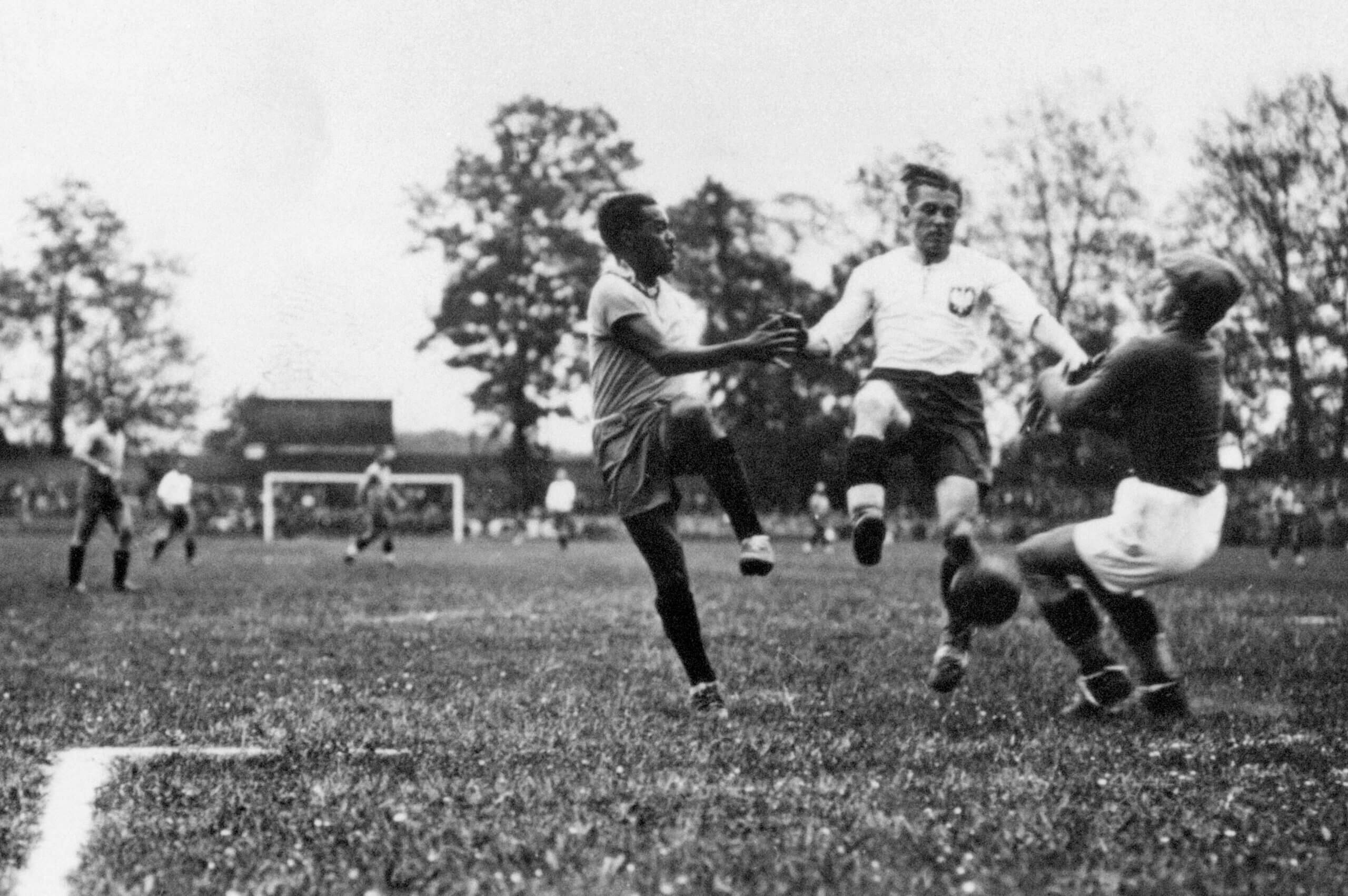
Few know the story of Ernst Wilimowski, a player who achieved remarkable feats in football, setting records that lasted decades. Yet, due to historical complexities, his legacy remains largely uncelebrated outside specific circles. This article delves into his life and career to understand why.
Remarkable Achievements
Ernst Wilimowski was a footballer who performed extraordinary feats. He scored four goals in a single World Cup match against Brazil. Moreover, he maintained the best goals-to-games ratio in World Cup history for a time, sharing his legacy with football legends. His name, despite these achievements, often goes unnoticed.
Born in 1916, Wilimowski was an exceptional forward with a keen scoring ability. Initially, he played for Ruch Wielkie Hajduki (now Ruch Chorzów) and scored prolifically, bagging 113 goals in 86 league matches. He also set a record in the German Cup, which still stands today.
Complex Nationalities and Loyalties
Wilimowski’s story is filled with complexities of national identities. Born in Katowice, a region with shifting national borders, Wilimowski’s identity was never straightforward. Initially under German rule, Katowice became Polish after WWI, only to revert to Germany in 1939. These geopolitical shifts mirrored within Wilimowski’s life.
His father, a soldier, died fighting for Germany, and his stepfather, who gave him the name Wilimowski, was involved in Silesian insurgencies. Silesia, torn between Poland, Germany, and a unique identity, reflected Wilimowski’s own divided loyalties.
Schism with Poland
Despite being a national hero in Poland at one point, scoring a hat-trick in a historic match against Hungary, Wilimowski’s alignment with Nazi Germany during WWII tarnished his image. He chose German citizenship, a decision perhaps made for survival during difficult times but seen as treasonous later.
His achievements on the pitch for Germany, scoring 13 goals in 8 matches, did not change this perception. Notably, his relationship with the Nazi regime is marred by stories, including pressure to play for personal and familial survival, such as aiding his mother’s release from Auschwitz.
Legacy and Perception
After WWII, Wilimowski’s accomplishments were erased in Poland, painting him as a traitor. His decisions during the war left a permanent mark on how he is remembered, making his legacy one of the most debated in football.
In Chorzów, his contributions are celebrated, with a mural and youth tournament in his honor. Yet, national recognition remains contentious. A recent poll showed a divided opinion on whether Wilimowski should be remembered within Polish football history.
Ultimately, Ernst Wilimowski’s story reflects the intricate intertwining of sport, identity, and history, leaving behind a legacy both influential and controversial.