The Vital Role of Frailejons in Colombia’s Páramos
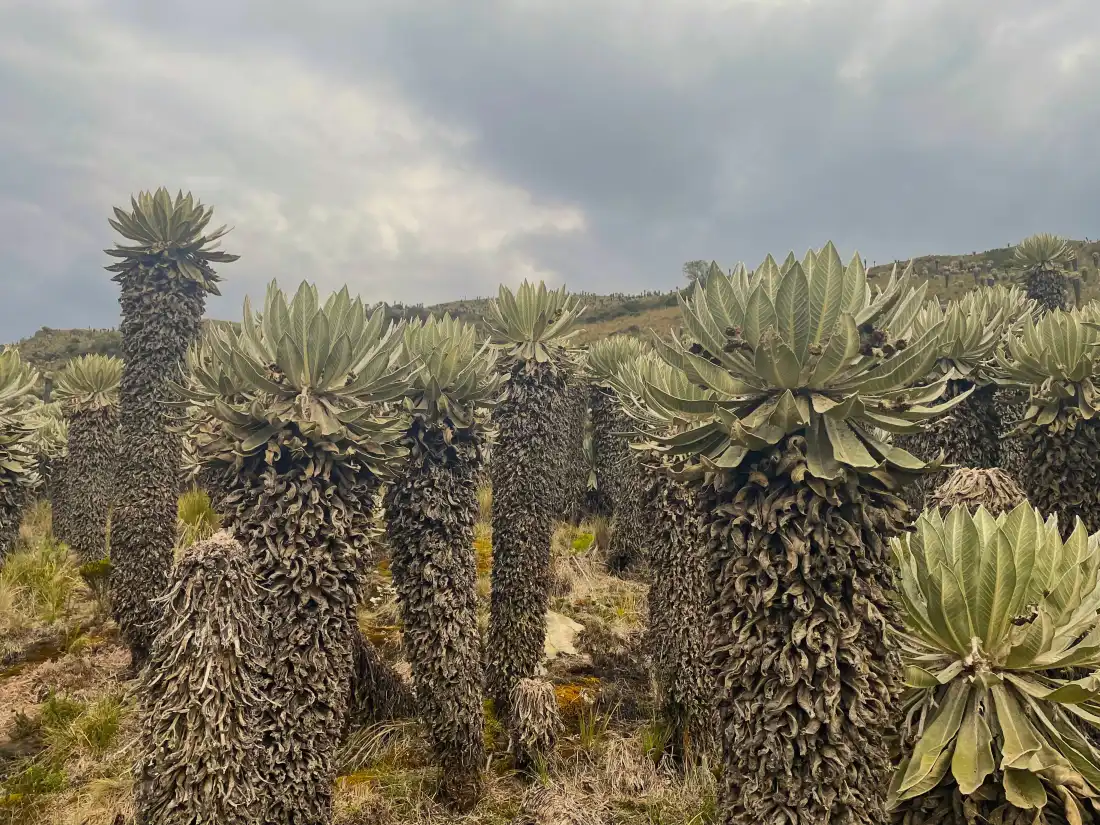
Moisés Moreno welcomes guests at his greenhouse, situated 10,000 feet high in the Andes Mountains. Visitors are often unfamiliar with frailejons, the towering plants that thrive here. These plants, a relative of the sunflower, dominate Colombia’s high mountain wetlands, known as páramos, which are crucial for the nation’s water supply.
The unique frailejons possess leaves covered in wooly fuzz that protect them from cold temperatures while absorbing water from clouds. This process helps retain moisture in the páramos, where many of Colombia’s rivers originate. However, frailejons and their páramo habitat face numerous threats. Farmers, cattle ranchers, and coal miners continue to move higher into the Andes. Additionally, climate change makes the mountains warmer, allowing invasive species to disrupt the fragile ecosystems.
Mauricio Diazgranados, a frailejon expert and chief science officer at the New York Botanical Garden, states that of nearly 150 species of frailejons, two-thirds are at risk. Seventeen are endangered. “They are a keystone species for maintaining the páramos and play a key role in water production,” he explains.
Historically spotted by explorers, the shrubs were reminiscent of hooded monks, leading to the name frailejon, Spanish for “big friar.” The Muisca Indians once regarded these plants as sacred water guardians.
Moreno, 53, who maintains the frailejon greenhouse, once contributed to their decline. Growing up in Monguí, he and others cleared them for farming. Later, he vowed to protect the páramo ecosystem after a mining injury. He now cultivates frailejons and guides tourists and volunteers on restoration efforts.
Colombia’s National Parks agency and its armed forces also support reforestation efforts following wildfires. Public awareness has risen, partly due to Ernesto Pérez, a popular cartoon character resembling a frailejon, inspiring conservation efforts similar to Smokey Bear in the U.S.
Nicolás Coronado, 25, inspired by the cartoon, contributes by planting a 6-inch frailejon. The volunteers trek to 11,000 feet, passing streams and waterfalls. The ground is moist and spongy, dotted with frailejons, but fenced off by local farmers. Moreno teaches them to plant the frailejons, adding shredded tobacco as fertilizer. The survival of these plants is uncertain in the harsh climate, where they grow slowly.
Volunteer Julieta Barba names her frailejon “Gerry,” honoring her mother. As she settles the plant in the soil, she expresses her hope for its survival and growth in the páramo’s delicate ecosystem.