California’s Rising Electric Rates Amid New Governance
Governor-elect Xavier Becerra pledges to halt rising electric rates. However, the current California Public Utilities Commission, appointed by Governor Gavin Newsom, is pushing ahead with increases. With two commission terms ending in January, the panel approved hikes and plans more by year’s end, favoring major for-profit electric companies.
Recently, the commission approved two separate increases for Pacific Gas & Electric (PG&E) customers, enabling charges over $2 billion. There’s also a proposal to raise San Diego Gas & Electric (SDG&E) bills by 3.7%, delayed until December 3.
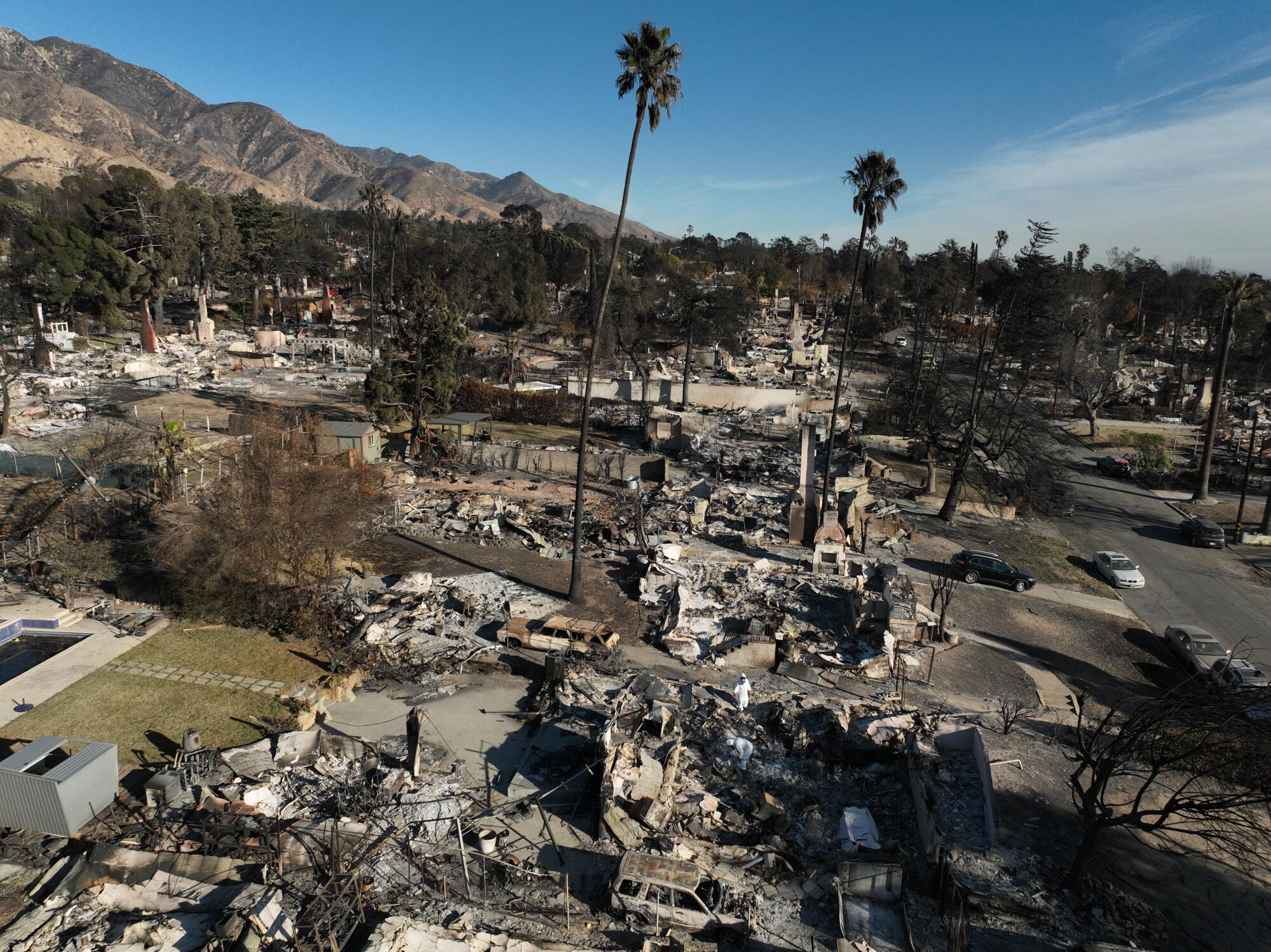
In October, Southern California Edison raised bills by 1.5%. This followed a decision allowing them to pass 2018 Woolsey Fire damage costs to customers, as their equipment caused the fire. A previous decision increased Edison’s rates by over 10%.
Former commission president Loretta Lynch highlighted that such measures before term endings are common, but current actions are unprecedented. Terrie Prosper, commission spokesperson, acknowledged the timing of commissioner transitions impacts decision volume.
During Newsom’s tenure since 2019, California’s electricity rates soared from the seventh to the second-most expensive in the U.S., following Hawaii.
Anthony Martinez, Newsom’s spokesperson, emphasized the Governor’s commitment to scrutinizing utility spending and equitable cost distribution.
Additionally, proposals could adjust a controversial $24 monthly fixed fee, initially suggested at $85-$128 for higher income households.
“From day one, Governor Newsom has held utilities accountable and fought to protect ratepayers and fire survivors,”
said Anthony Martinez.
PG&E might escape most damage costs from the 2019 Kincade and 2021 Dixie fires. A commission proposal rejected claims of negligence against PG&E. Criminal charges for the Kincade fire were settled with PG&E agreeing to pay $55 million.
Future proceedings will assess Edison’s responsibility for damage costs from the Eaton Fire, capped by a 2019 law at $4.3 billion. Investigators blame an unused transmission line for the fire.
Newsom’s appointed commissioners often vote in favor of these companies, impacting investor sentiments, say Jefferies analysts.
Fears about the rate hikes remain, as public advocates criticize the commission’s decision allowing PG&E to charge $456 million without prior scrutiny. PG&E claims the increase won’t raise bills as other costs phase out.
Regarding SDG&E, a proposed 3.7% increase covers a drone program costing significantly more per pole than traditional inspection methods. They justify that drones are more effective in spotting safety issues.
Mark Toney of the Utility Reform Network decries the cumulative impacts of these hikes amid already high bills, tallying 39 more requests under consideration.
Advanced Energy United petitions for changes to a decision without considering potential impacts on Governor Becerra’s plans to address electricity costs competitively. Their concerns point to hasty resolutions ahead of thorough studies.