New York’s Energy Challenges and Nuclear Power Plans
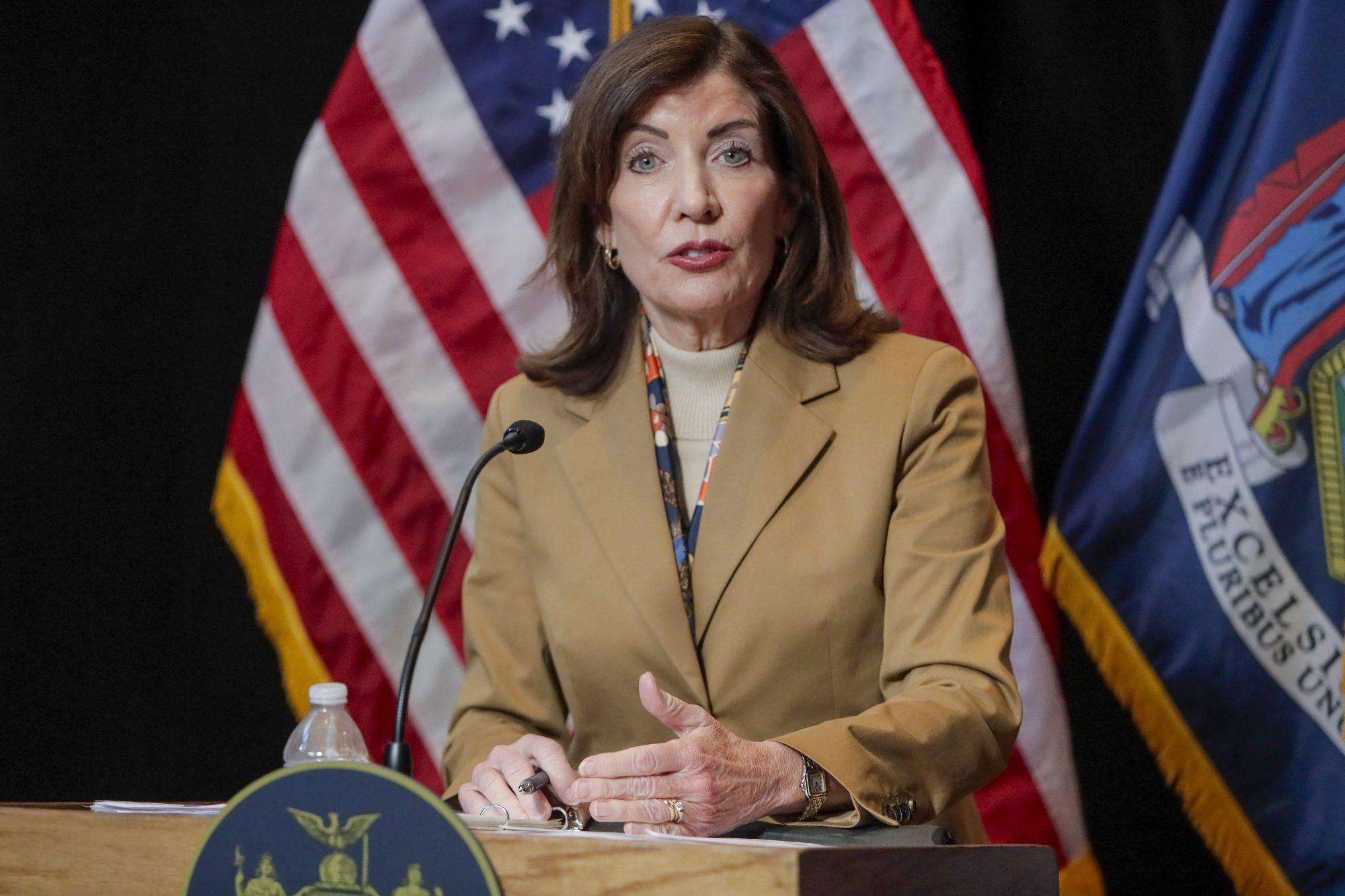
New York Governor Kathy Hochul has unveiled a Comprehensive Advanced Nuclear Master Plan aiming to address the state’s looming energy shortage. The plan proposes increasing nuclear-power generation by 5 gigawatts, adding to the existing 3.4 GW. Hochul argues that nuclear power is the most sustainable, reliable, and affordable energy source.
Nuclear energy is indeed valued for its ability to produce energy reliably without carbon emissions. However, local opposition to nuclear plants has led to premature shutdowns in the past, such as Indian Point and Shoreham, due to public fear.
Hochul’s ambitious goals involve building more nuclear-generated power than achieved nationally over the past 30 years. Unfortunately, the plan cannot be realized quickly enough to prevent an energy shortfall. The 2019 Climate Leadership and Community Protection Act pushed New York to eliminate fossil-fuel power, without a real replacement plan, even as electricity demand increases.
The New York Independent System Operator recently warned that the state might not generate enough power to meet demand in six years. Nuclear plants require a decade or more to construct, and Hochul’s plan currently lacks federal approvals and necessary financing.
In the New York City metro area, power shortages are already evident. Last summer, The Bronx, Brooklyn, and Westchester experienced rolling blackouts lasting 72 hours because of insufficient power generation. Future plant closures and restricted investments in fossil-fuel plants compound the issue.
Renewables cannot bridge the energy gap effectively. New York lacks the infrastructure, like battery capacity and transmission lines, to utilize wind and solar energy fully.
Hochul merits credit for advocating nuclear energy despite strong environmental opposition. Each gigawatt of energy will be needed once built. It is suggested that President Donald Trump should assist in expediting the necessary permits.
However, Hochul and her administration must confront real challenges. Climate mandates, such as New York City’s Local Law 97, combined with economic growth, such as data centers, increase electricity demand while other climate laws limit supply. This situation risks leading to blackouts and higher utility costs.
While Hochul’s nuclear plan acknowledges the state’s energy problems, it is not an immediate solution. Her initiative, however, deserves federal support to address long-term challenges in New York’s energy landscape.