U.S. Seeks Public Input on Tariff Cuts for Non-Sensitive Goods in New Trade Talks with China
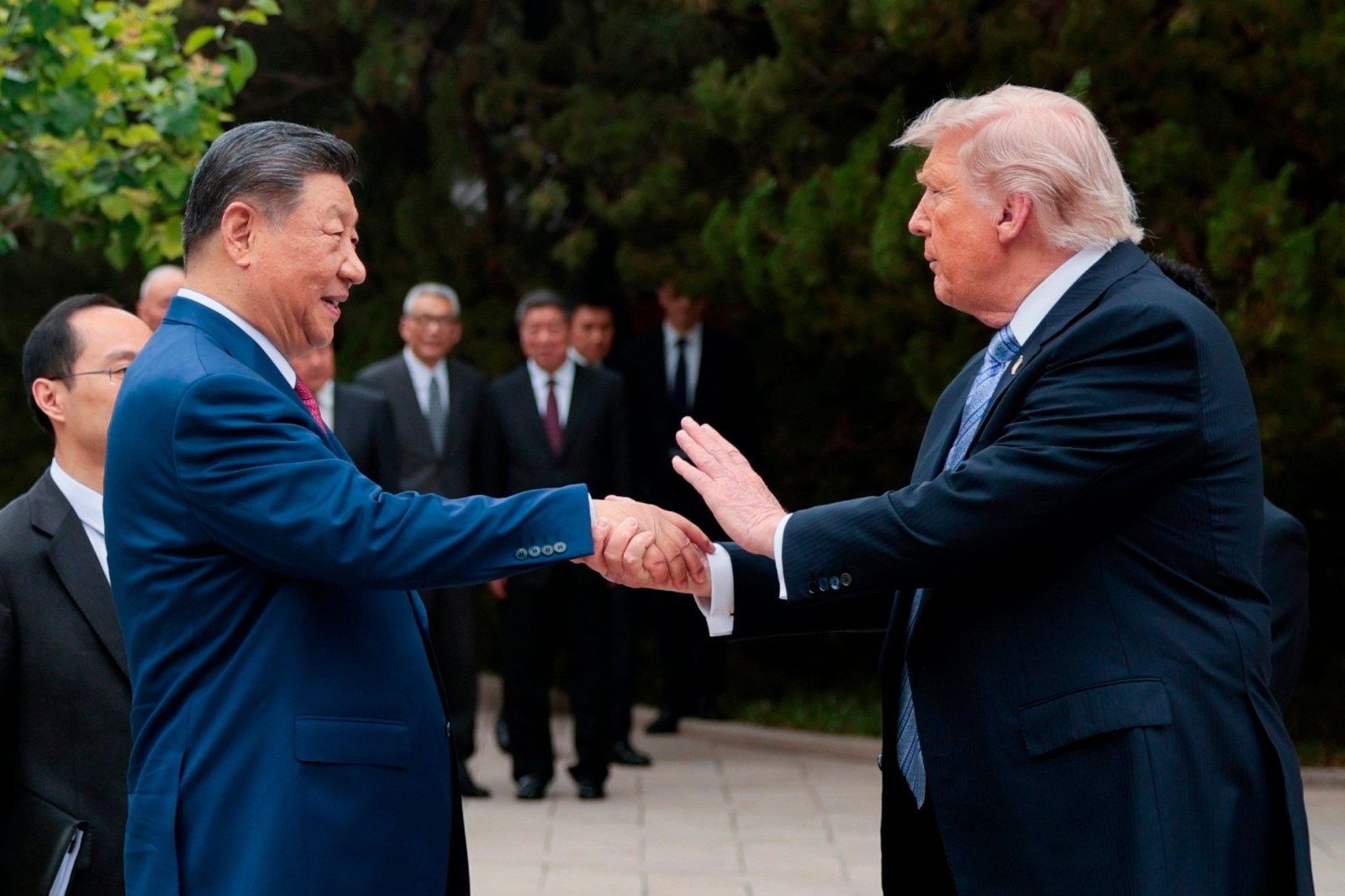
The Office of the U.S. Trade Representative invites public comments on which non-sensitive goods should be considered for tariff reductions. This initiative is part of a broader effort to establish a new ‘Board of Trade’ with China. This development was a key outcome from President Donald Trump’s recent state visit to Beijing, where he engaged in discussions with Chinese President Xi Jinping from May 13 to 16.
U.S. Trade Representative Jamieson Greer stated, “We welcome comments from interested parties on effective ways to facilitate mutually beneficial trade with China while continuing to use tariffs to defend American economic and national security and promote balanced and reciprocal trade.” The administration aims to collaborate with various stakeholders, including those in manufacturing, fishing, ranching, and small businesses, to determine non-sensitive goods trade opportunities.
The deadline for submitting public comments is July 10. Newsweek reached out to the USTR and the Chinese embassy for their feedback, but responses have not been disclosed.
According to Xin Qiang, deputy director of the Center for American Studies at Fudan University, this call for feedback is a positive step toward reducing trade tensions. He shared with the Global Times, a Chinese state media outlet, that a reduction in U.S. tariffs could ease longstanding tensions between the two countries and allow for more constructive trade relations.
Despite limited progress on strategic issues like artificial intelligence and Taiwan, trade was identified as an area ripe for negotiation following the Trump-Xi discussions. The U.S. Trade Representative describes the Board of Trade as a forum for managing trade in non-sensitive goods. Meanwhile, the Board of Investment will address investment-related concerns, according to a statement from the White House.
Zongyuan Zoe Liu, a senior fellow for China studies at the Council on Foreign Relations, noted that the United States considered these mechanisms to be the cornerstone of the U.S.-China agreement, as stated by the White House. This contrasts with the previously reported agreements involving American agricultural products and Boeing aircraft purchases.
Last year, the U.S.-China trade war intensified with the implementation of substantial tariffs by the Trump administration. Duties on Chinese goods climbed to as much as 145 percent, a response to alleged unfair trade practices and inadequate action against fentanyl precursor producers.
The two nations initially began easing trade tensions during Trump’s meeting with Xi on October 30 in Busan, South Korea. The United States reduced tariffs on fentanyl-related Chinese goods from 20 percent to 10 percent. In turn, Beijing promised to resume U.S. soybean imports and to lift restrictions on rare earth exports temporarily.