Technology Enables Students with Disabilities Despite Screen Bans
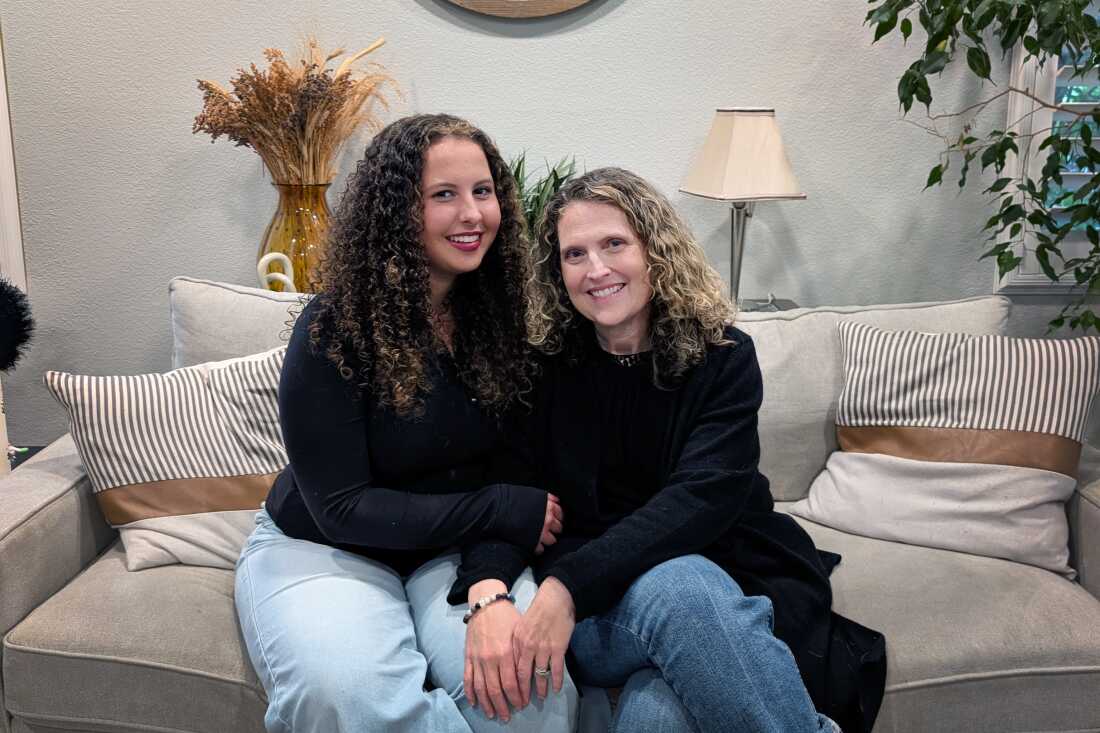
Ninth grader Soraya Martin from Concord, California, has dyslexia. Despite this, she excels academically using technology. This includes her cellphone and other tools that aid her learning. Her mother, Heather Martin, highlights the importance of considering students with disabilities when schools implement screen bans.
Soraya finds joy in creative writing. Although reading and writing present challenges, technology assists her by providing voice dictation and audiobooks. Using these tools, she no longer struggles with spelling and can focus on expressing her thoughts.
Heather Martin voices concerns over national trends pushing for screen bans in schools. Reports indicate over 30 U.S. states have limited cellphone use, with some considering restrictions on laptops and tablets. A recent advisory from the U.S. Department of Health and Human Services highlights the potential harms of screen use on children. These policies worry parents and advocates who fear students with disabilities may be overlooked.
The U.S. hosts over 8 million students with disabilities, many of whom rely on technology for learning tasks. Innovations like screen readers and speech-to-text software enable students with different needs to thrive. Rapid policy changes in states such as Alabama and Tennessee threaten the timely adaptation of resources for these students.
Lindsay Jones, CEO of the Center for Applied Special Technology (CAST), emphasizes a need for well-informed policies. Jones notes that although some laws exempt assistive technologies, these are often minimal measures. She argues for extended discussions involving educators and people with disabilities to ensure no one’s rights are compromised.
Soraya’s high school has recently initiated restrictions by locking student phones during school hours. Her mother worries this policy might lead to broader restrictions on essential learning tools like screens. Soraya’s Individualized Education Program (IEP) allows the use of her phone for specific educational tasks, yet implementation varies across her classes. Such “unintended consequences” highlight the importance of consistent communication about necessary accommodations.
CAST’s educational framework, Universal Design for Learning, exemplifies inclusive education methods. It fosters flexible learning environments using varied teaching tools, benefiting students like Soraya.
The potential of assistive technology to enhance learning is significant. As schools reconsider screen usage, active engagement from the disability community and experts is vital. For Soraya, these technologies provide confidence and academic success. Her recent achievements in school, inspired by these tools, underscore their value.