The Evolution of Reputation Management in the 2020s
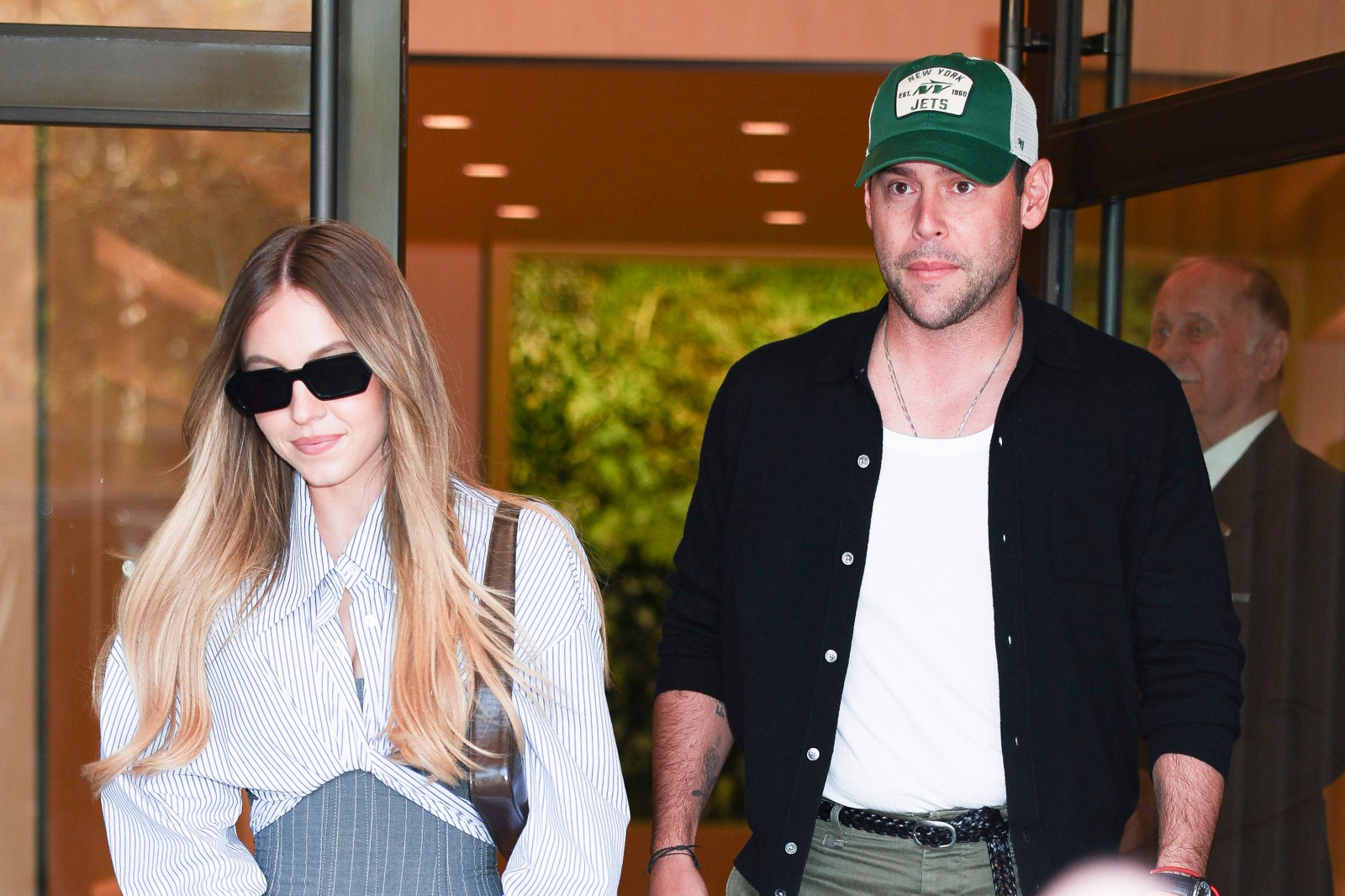
In the past decade, the path to recovering from public backlash was straightforward. Celebrities often faced criticism online, apologized, gave managed interviews, and stepped away from the public eye, aiming for a rebrand. Grayce McCormick, founder of Lightfinder PR, noted that reputation recovery followed ‘a predictable sequence’ to show remorse and change. Redemption tours became routine for public figures trying to regain support.
Now, some examples show this formula might be losing its effectiveness. Some public figures facing criticism are not engaging in traditional rehabilitation efforts but still succeed professionally. In 2026, this trend raises questions: Has the approach to handling backlash changed?
McCormick explained that the previous belief encouraged public figures to speak up quickly, fearing silence would let others control the narrative. Now, instead of apologizing to critics, some focus on maintaining support from core fans.
Sydney Sweeney and Scooter Braun: A New Approach
Sweeney and Braun are examples of this shift. Both received criticism but chose not to launch traditional redemption campaigns. Yet, their commercial influence remains strong. Newsweek reached out to their representatives for comments.
Sweeney met Braun at Jeff Bezos and Lauren Sánchez’s wedding in June 2025. Sweeney, known for her role in HBO’s Euphoria, continues her association with American Eagle despite controversy. Online debates swirl around her, but her market appeal persists.
Braun, famous for managing stars like Justin Bieber and acquiring Taylor Swift’s recordings, faced criticism but maintained a low profile. His relationship with Sweeney attracted attention, yet he remained silent in the face of it.
The Changing Impact of Public Backlash in 2026
‘Sweeney and Braun’s actions may indicate an evolution of cancel culture,’ McCormick said. Notably, they are not expending energy convincing critics. They focus on their work, leaving audiences to decide the relevance of controversies.
McCormick attributes the shift to ‘outrage fatigue.’ Audiences now evaluate controversies based on context and severity instead of reacting automatically. Fast news cycles contribute to this change. Headlines that once lasted long fade quickly. Sarah Schmidt, president of Interdependence, told Newsweek the ‘rules have changed’ in celebrity rehabilitation.
Accountability remains vital, yet there is debate over what deserves lasting consequences. A 2025 YouGov poll found 51% of respondents felt cancel culture went too far, compared to 13% who found it proportionate.
New Reputation Management Strategies
Historically, public figures relied on apologies and public contrition to rebuild reputations. Now, some opt for a different strategy: continue working, avoid over-explaining, and let audiences determine if controversies matter.
Authenticity is the buzzword. If audiences sense insincerity in apologies, they won’t be convinced. ‘Audiences can spot a crafted apology,’ Schmidt stated. Those who move on are those who display vulnerability and sincerity. Trying to persistently explain can cause more detriment than the initial mistake.
Consistency carries more weight now than redemption alone.
Brands’ New Perspective on Controversy
Brands notice this trend too. Controversy isn’t always harmful; it can generate attention and increase sales. Sweeney’s American Eagle campaign faced backlash but corresponded with a 25% rise in the company’s stock price. The incident shows how ‘controversy is currency’ in today’s economy.
McCormick warned against assuming all publicity is helpful. Ethical breaches still risk long-term damage. Brands differentiate between temporary backlash and true consumer dissatisfaction.
Public image remains critical. Absolute approval is not necessary.
Support from key audiences means more than unanimous acclaim. In this setting, the traditional apology tour may become optional.
The Future of Cancel Culture: Changing, Not Ending
Cancel culture hasn’t vanished. Public figures still face scrutiny and consequences. However, the management of controversies and the sway of online backlash is evolving. The question is no longer if celebrities will endure cancellation, but if they require redemption tours at all.