EU Introduces Tougher Border Rules Amid Immigration Concerns
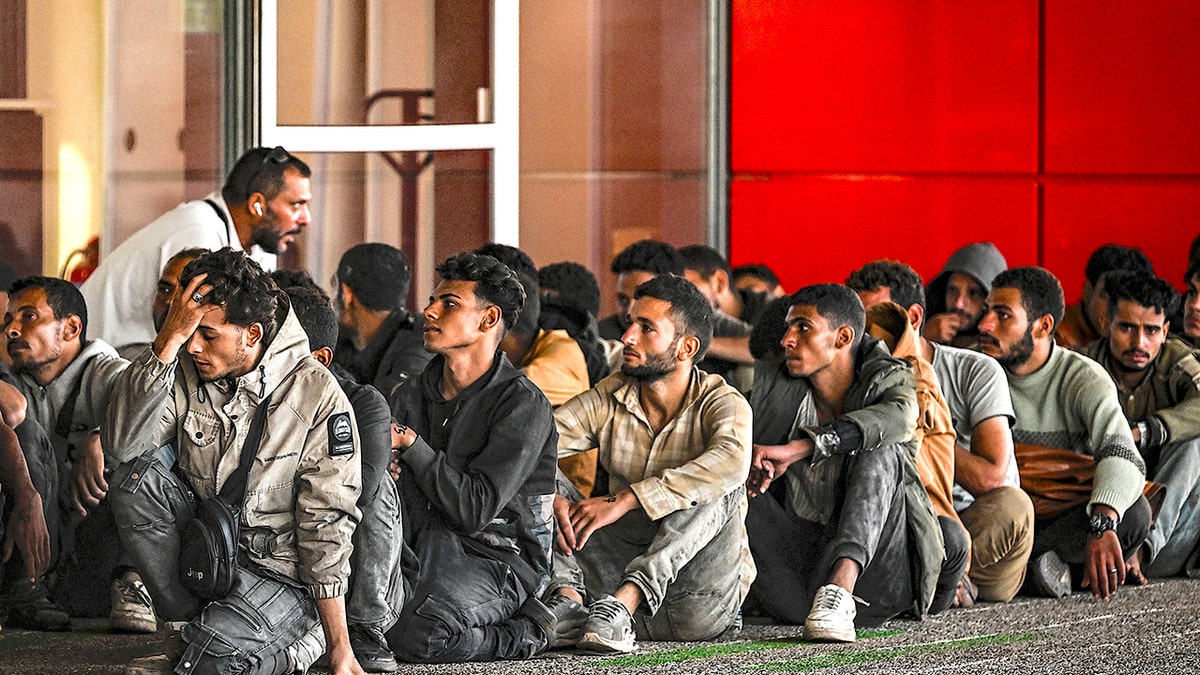
The European Union recently tightened entry rules in response to concerns about illegal immigration. These new measures, effective across the 27-nation bloc, aim to address the challenges brought up by voters and leaders, including former U.S. President Donald Trump.
The EU has agreed on stricter regulations for migration and asylum. These laws focus on processing illegal migrants promptly and, if necessary, sending them to deportation centers outside Europe. Asylum seekers will undergo identity, security, and health screenings before entering any system, with new biometric data techniques like fingerprinting and facial recognition employed.
The EU’s three leading institutions reached a provisional agreement which is expected to pass through lawmakers and governments. The goal is to ensure that all member states collaborate and exchange information efficiently.
“The EU’s demographic shift is altering Europe’s culture. There’s a need to accommodate individuals not integrating into local customs,” remarked Alan Mendoza of the Henry Jackson Society.
Despite the U.K. not being an EU member, Mendoza noted Britain’s influence on these new EU rules. He highlighted the U.K.’s challenge in establishing offshore holding centers to prevent being perceived as lenient on immigration issues.
Experts caution that the longer it takes to resolve these issues, the more complex they’ll become. Some already see it as overdue. Many Europeans have noticed the problems, but political leaders are now beginning to act.
During an address at the United Nations General Assembly, Trump highlighted the disarray caused by undocumented migrants across Europe, asserting, “Europe faces significant challenges, overwhelmed by a force of illegal aliens.”
Recently, U.S. Vice President JD Vance commented on the tragic stabbing of a young British man, linking it to broader societal failures and immigration issues. He lamented the cultural and security consequences associated with unchecked migration.
U.S. Secretary of War Pete Hegseth, while commemorating D-Day, echoed these concerns. He questioned when European countries would confront this modern-day ‘invasion,’ expressing hope that action would be taken soon.
Spain, meanwhile, diverged from the bloc by choosing to legalize 500,000 undocumented migrants. This decision has sparked debate, particularly as non-governmental organizations play a role in housing initiatives. Some critics, like Javier Negre from La Derecha Diario, argue this fosters dependency and fails to encourage integration.
Detractors from the European left, such as Mélissa Camara of France’s Green party, condemned the new EU deal, describing it as a “historic setback” for human rights. She criticized the establishment of return hubs, detention policies for minors, and intrusive home visits.
The Associated Press contributed to this coverage. Simon Constable writes for various publications and is associated with the Johns Hopkins Institute for Applied Economics, Global Health, and the Study of Business Enterprise.