Pope Leo XIV Addresses Spanish Parliament in Historic Speech
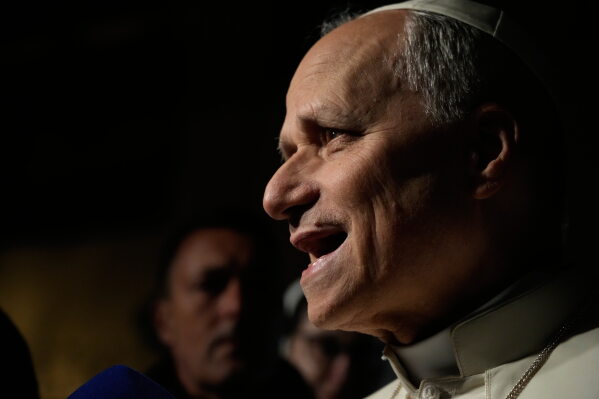
Spanish lawmakers honored Pope Leo XIV with a standing ovation after his address to the parliament, marking a significant acceptance of the Catholic Church in a predominantly secular nation. In a historic moment, Leo, the American pope, emphasized the need for a ‘moral renewal’ within legislatures and public life to respect the dignity of all individuals, including migrants, the unborn, and the vulnerable.
Leo’s speech underscored the moral greatness of nations, which is shown through their ability to support and protect fragile lives. The invitation to speak at Las Cortes Generales signals a growing acceptance of the Catholic Church in a political arena where it previously held significant influence during Gen. Francisco Franco’s dictatorship, but saw its power wane with the onset of democracy in the 1970s.
Despite a sharp decline in religious observance as Spain secularizes, lawmakers responded to Leo’s speech with a prolonged standing ovation and chants of support.
During Leo’s visit, approximately 1.5 million people gathered for Mass in Madrid, and 600,000 young individuals attended a prayer vigil. This visit, the first since Benedict XVI in 2011, demonstrates continued interest and respect for the papal presence.
Leo’s address coincided with escalating tensions between Israel and Iran, raising concerns of potential conflict from their exchanged strikes. He advocated for diplomatic efforts and reliance on international law to resolve disputes peacefully. Leo criticized the increasing defense budgets in Europe, reflecting concerns about militarization amid geopolitical tensions involving Russia and the United States.
He called for ethical oversight in the use of automated weaponry, stressing the importance of human responsibility in life-and-death decisions.
Addressing immigration, Leo commended Spain’s Socialist-led government for supporting immigration on humanitarian and economic grounds, aiding undocumented immigrants’ legalization. Prime Minister Pedro Sánchez emphasized immigration’s benefits, given Spain’s aging population and low birth rate.
Leo urged global efforts to curb migrant smuggling and improve conditions to allow people to remain in their homes. For those fleeing from hardships, he advocated for welcome, integration, and addressing social justice by offering legal pathways and the opportunity to stay in their countries.
Reflecting on historical events, Leo invoked the School of Salamanca, noting its contribution to international law and human rights concepts. He acknowledged the church’s historical failures, referencing the Catholic Church’s role in the slave trade and colonialism, and reiterated his apology for these actions.
Leo’s visit arrived amid political challenges for Sánchez, whose party faces corruption allegations while political polarization deepens. Despite these issues, Sánchez and Leo share common ground on major issues, including their stance against warfare involving Iran.
Professors like Rafael Ruiz Andrés note that by prioritizing justice, Pope Francis and Leo have bridged gaps between the Vatican and progressive governments, reflecting a shift in traditional affiliations.