California’s Seismic Activity: Preparing for the Inevitable
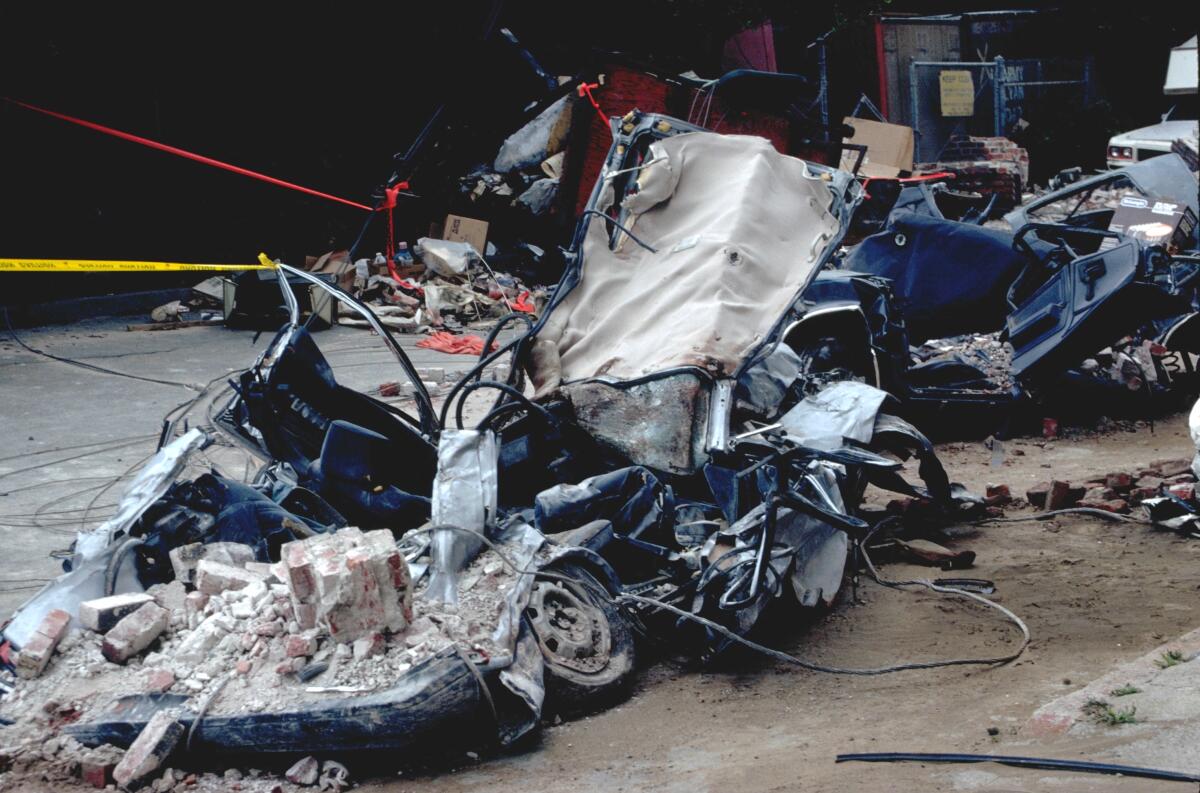
Late one night, a significant earthquake struck Southern California. It was centered near North Palm Springs and measured magnitude 6. This quake affected millions of residents, damaged hundreds of buildings, and broke the California Aqueduct. More than a billion gallons of water flooded into a desert area.
Though not as famous as other earthquakes, such as Northridge or Loma Prieta, the North Palm Springs quake in July 1986 initiated a series of tremors. These continued to affect Southern California for nearly ten years. It signaled a pattern of seismic activity that younger generations have not seen.
California’s major cities have avoided severe earthquakes for 25 years. However, seismologist Lucy Jones from Caltech warns that this is not the long-term norm. Progress in earthquake safety is inconsistent. Los Angeles has taken steps to retrofit certain buildings. Yet, it has not inspected potentially vulnerable steel skyscrapers. Inland Empire cities, located near the San Andreas fault, have not ordered the retrofit or demolition of old brick buildings. During shaking, these structures could collapse and pose lethal threats to public safety.
The incomplete efforts highlight the need for an updated ShakeOut scenario. This projection outlines the devastation from a potential magnitude 7.8 earthquake on the San Andreas fault. Initially released in 2008, the report estimated such a quake could kill over 1,800 people, injure 50,000 others, and lead to $200 billion in damage.
Jones recently received funding to update the ShakeOut scenario through her center, the Dr. Lucy Jones Center for Science and Society. She stressed the importance of preparation before a large natural disaster strikes. The updated scenario may consider a massive urban fire resulting from an earthquake. The 2008 report noted the loss of water due to quake damage, leaving firefighters unable to extinguish blazes. Simultaneous fires in areas like San Bernardino and South L.A. could kill hundreds and cause extensive property damage.
California’s earthquake preparedness differs from other quake-prone regions like Japan and New Zealand. Despite fewer average quakes, California can still experience larger ones. Quakes greater than magnitude 7.9 have hit Southern California in 1857 and Northern California in 1906.
Following the 1986 North Palm Springs earthquake, Los Angeles County experienced its first major urban quake in 16 years in 1987, the Whittier Narrows earthquake. The magnitude 5.9 quake killed eight people and injured many others. In subsequent years, Southern California saw several destructive quakes, such as the 1989 Loma Prieta quake in Northern California, which killed 63 people.
More minor quakes followed, culminating in the devastating Northridge earthquake of 1994. This magnitude 6.7 quake caused 60 deaths and roughly $40 billion damages. Southern California has had three quakes greater than magnitude 7 since then. The impact on metro areas was limited due to their desert locations.
Efforts continue to ensure better preparedness for future earthquakes. The L.A. Times provides guides on retrofitting homes, discussing earthquakes with children, and caring for pets during seismic events. Other resources cover the risks, preparation tips, and ways to improve resilience against such disasters.