SpaceX’s Wall Street Debut and Its Impact
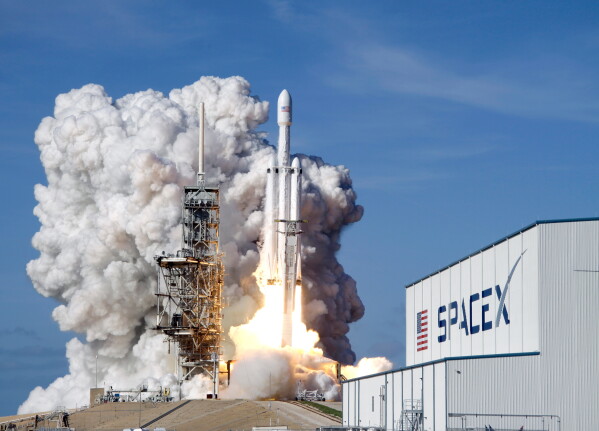
Elon Musk’s company, SpaceX, is set to enter Wall Street on Friday. Investors are eager to purchase 555.6 million shares priced at $135 each. This initial public offering (IPO) might make Musk the first trillionaire. With an estimated $75 billion in proceeds, it could become the largest IPO ever. SpaceX aims to send humans to Mars and hopes to establish a colony of 1 million people on the red planet as part of Musk’s future compensation package.
Why SpaceX is Going Public Now
In a recent video conference, Musk explained the decision to take SpaceX public after a decade of suggestions. The company plans to deploy 100,000 next-generation Starlink satellites. Musk highlighted the need for capital to support a growing AI data center base in space. Going public aids in securing this capital but also brings increased shareholder scrutiny and regulatory oversight. Current regulations require quarterly financial reports, though there’s a proposal for semi-annual filings to reduce the pressure of short-term thinking.
Impact of the IPO on SpaceX
Musk will maintain control over SpaceX’s strategic, financial, and personnel decisions through a special class of shares. These Class B shares grant him significant power, and no one can dismiss him as CEO but himself. SpaceX credits Musk as the driving force behind its achievements, yet acknowledges that his departure could disrupt strategy execution and damage relationships. Finding a successor of Musk’s caliber would be challenging.
Some investors are concerned about the IPO’s terms. Pension fund officials from California and New York criticized provisions such as ‘super voting shares’ and mandatory arbitration in place of shareholder lawsuits. They may become SpaceX shareholders due to their index fund holdings, which buy stocks included in certain indexes.
Challenges and Opportunities for SpaceX
The success of SpaceX hinges on the Starship rocket, currently in testing. This reusable rocket is crucial to Musk’s space ambitions. A delay in development could lead to increased costs and longer timelines, risking client relationships. SpaceX leads the competition in reusable rocket technology. Among its competitors are Blue Origin and AST SpaceMobile, which rely on a SpaceX rocket for satellite deployment.
The prospectus highlights a potential $22.7 trillion market for AI products. However, there’s no clear profitability path for xAI, SpaceX’s AI business, which merged with SpaceX earlier this year.
Wall Street’s Interest
A successful SpaceX IPO could quickly lead to its inclusion in the Nasdaq 100, which tracks the 100 largest non-financial companies. Some funds, like the QQQ ETF, mimic this index and will automatically purchase shares. Nasdaq now allows some companies to enter the Nasdaq 100 after 15 trading days. In contrast, the S&P 500 maintains traditional entry thresholds, requiring at least 12 months of trading before inclusion. Inclusion in the S&P 500 is desirable due to its significance, with major funds like Vanguard’s VOO tracking it closely.