A Journey Through Surrogacy: Experiences and Reflections
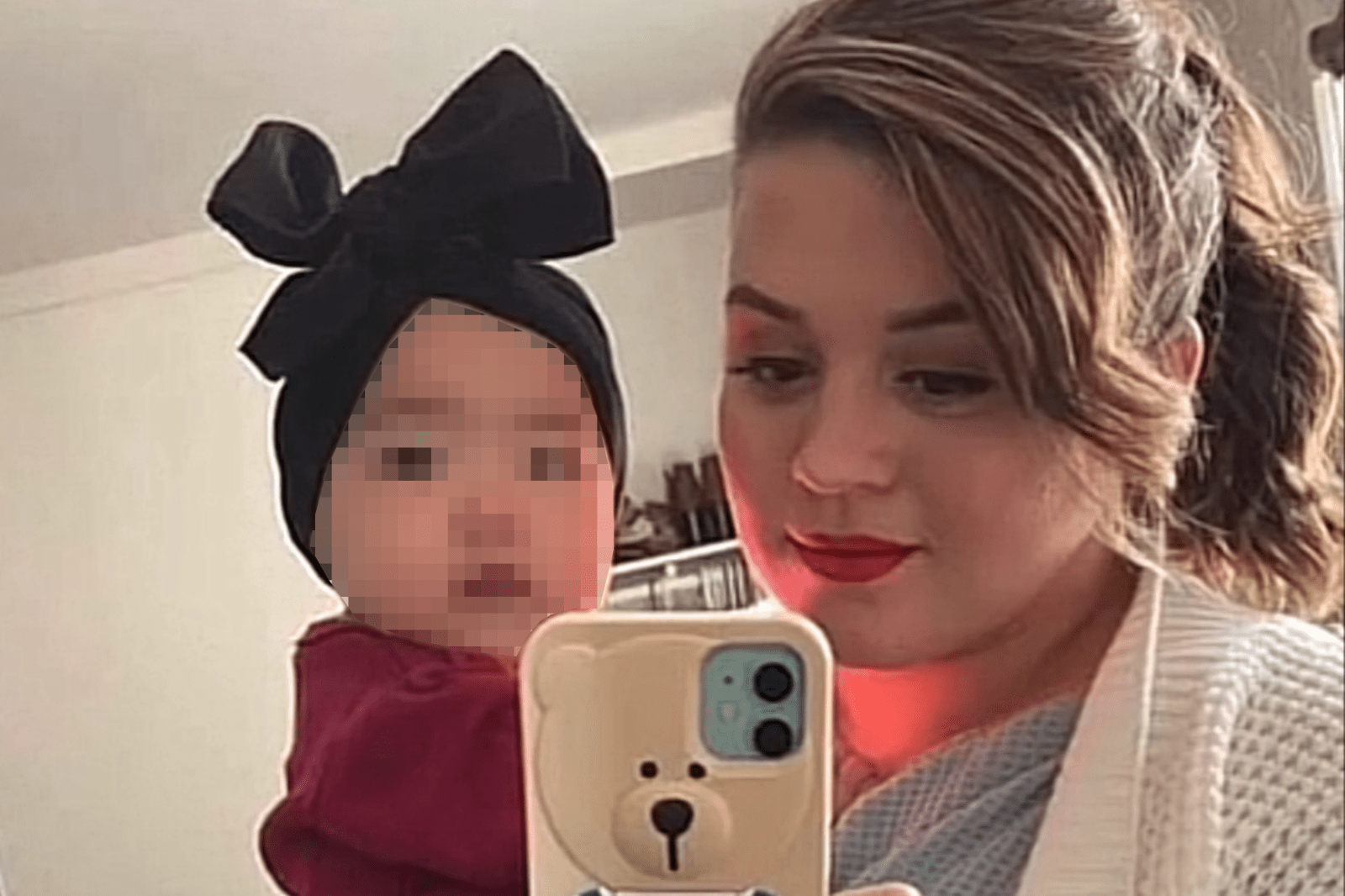
When Sherry Santana De Leon first thought about becoming a surrogate, it was not a choice she took lightly. At that time, she was a stay-at-home mom facing financial difficulties during her first marriage. Initially, she considered egg donation but did not meet the necessary criteria. Despite this, the desire to help another family remained strong.
In 2015, Sherry met her current husband, Benjamin, and she discussed her interest in surrogacy soon after. He was not initially supportive, given the emotional, physical, and practical aspects involved. Despite her commitments to nursing school and a full-time job, she felt a persistent draw towards surrogacy. Sherry decided to apply, needing to see where it would lead. Benjamin wanted time for research, and after speaking with someone who had been a surrogate, his understanding grew, shifting his perspective.
Not long after applying, Sherry was matched with a family. Her first experience with surrogacy held deep significance, but the path to her second surrogacy journey unfolded in an unexpected way. The intended parents, who had one child through surrogacy and were expecting another baby carried by Sherry, asked her to consider carrying a second child. Their previous surrogate had lost two pregnancies, leaving them with limited embryos.
While Sherry was still pregnant with their first baby, she promised to decide after the delivery. After safely delivering the baby via c-section, ensuring the health of both the infant and herself, they agreed to proceed with the remaining embryo. That child was Emily.
As Sherry became pregnant with Emily, a global shift was occurring. By March 2020, border closures and flight cancellations loomed. Due to deliver in June, Sherry asked Benjamin if they could care for Emily should the parents be unable to travel. Given her work as a nurse and the ongoing pandemic, Sherry was out of work, which facilitated the possibility of taking care of the child.
In May, it became clear that Emily’s parents could not travel from China. Sherry and Benjamin were asked if they would care for Emily temporarily to avoid placing her in a children’s home. Having experienced foster care in her childhood, Sherry could not accept that choice. They had prepared for the possibility of keeping her, making the decision simple.
Emily came home with them, not as their daughter but as a child they loved and protected until reunited with her parents. Although they always knew the arrangement was temporary, living with and caring for Emily created a deep connection. She became part of their lives, calling Sherry “mama,” which felt natural yet bittersweet.
Caring for Emily during the pandemic mirrored fostering, something Sherry felt called to due to her experiences. This responsibility gave her a sense of purpose that was fulfilling and meaningful. Throughout those months, they remained in touch with Emily’s parents. Even after her father could travel, video calls with them continued, offering comfort to Emily.
When the time came for Emily to return to her family, it was challenging. Sherry and her children mourned the loss of her presence. Over time, they adjusted, and when Sherry unexpectedly became pregnant with her youngest son, this new life helped them heal.
Years later, they still check in with Emily. She no longer knows Sherry, which was part of the plan. Surrogacy was about giving Emily’s parents the opportunity to have her, not about maintaining a long-term role in her life.
Sherry emphasizes that surrogacy involves more than financial considerations. It’s an emotional, complex journey requiring a supportive network and a clear understanding of the responsibilities involved. At the end, the focus is on the family’s joy and the gift they’ve received.
All views expressed in this article are the author’s own. Sherry Santana de Leon, 34, is a surrogate, biological mother, and nurse based in San Bernardino, California.