Postal Service’s Role in Mail Voting Sparks Legal Battles
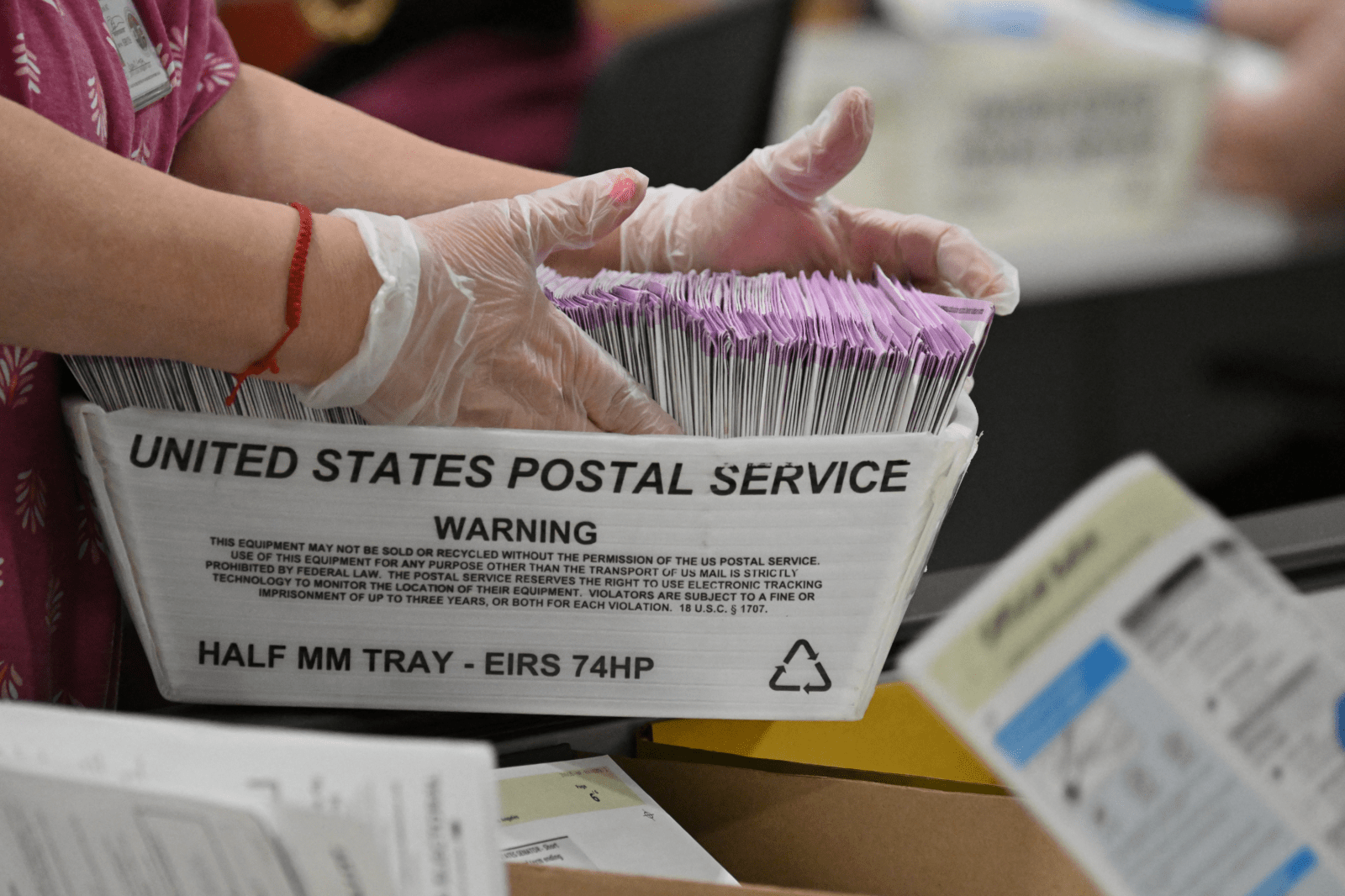
A small group of states that conducts their elections mainly by mail is now at the center of a significant conflict. This issue could determine the fate of millions of ballots this fall. A proposed set of U.S. Postal Service (USPS) rules tied to President Donald Trump’s March 31, 2026, executive order on election management is at the heart of this controversy. These rules would require states to provide detailed lists of mail voters, potentially blocking ballot deliveries for non-compliance.
Increasing Mail Voting Reliance
In the 2024 election, over 48 million Americans voted by mail. This represented roughly one in three voters nationwide. As the 2026 midterms approach, election officials express concerns that the changes might disrupt voting mechanics, especially in states where mail is the primary voting method. Twenty-three Democratic-led states and Washington, D.C., have already filed lawsuits against the proposed rules. A federal appeals court is expected to make a decision this summer as states prepare for the November midterms.
Key Provisions of the Executive Order
In March, Trump issued an order titled “Ensuring Citizenship Verification and Integrity in Federal Elections.” This order aims to centralize federal control over elections. Key provisions include:
- The Department of Homeland Security must create state-specific lists of voting-age U.S. citizens.
- USPS must establish rules to ensure ballots are only sent to voters on approved lists.
- Mail ballots must include tracking systems with unique barcodes.
The Constitution largely delegates election administration to the states. This new plan, which involves postal workers acting as gatekeepers, has triggered extensive legal challenges.
The USPS Proposal
The USPS proposal, released in late May, implements these directives. It requires states to send names, addresses, and ballot-specific barcodes for each mail voter. This allows the USPS to reject or return any mailings that do not meet the new standards. Traditionally, USPS has acted as a neutral carrier, delivering mail based on postage and routing rather than voter eligibility.
An ACLU press release describes a lawsuit against these measures, warning that the order risks transforming USPS into “an arbiter of who may cast a ballot by mail.”
Changes for the Postal Service
USPS would shift from being a logistics provider to an active gatekeeper in federal elections under the new rules. Currently, USPS handles “Election Mail,” which includes ballots and voting forms, ensuring secure and timely delivery. In 2024, USPS delivered at least 99.22 million ballots, with 99.88% arriving within seven days.
The proposed changes would require USPS to:
- Verify that each recipient is on a state-provided voter list before delivering a ballot.
- Establish a federal “Mail-In and Absentee Participation List” system through a digital portal.
- Introduce mandatory envelope designs and voter-specific tracking systems.
Critics warn that this impedes USPS’s traditional role. Former Postal Service Board of Governors Vice Chair Anton Hajjar highlighted concerns about USPS’s obligations. He emphasized if proper postage is paid, USPS should deliver the mail, warning the proposed rules effectively regulate elections.
Effect on States
States that run elections mostly by mail, like California, Oregon, Washington, and Colorado, would feel the impact most. These states automatically mail ballots to registered voters, relying heavily on the postal system for election administration. Any disruption could deeply impact voter participation.
Tobias Read, Oregon’s Secretary of State, stated, “This would deny eligible people the right to vote.” Maine Secretary of State Shenna Bellows warned the policy could virtually eliminate mail-in voting unless states comply with federal demands.
Battleground States
States like Arizona, Nevada, and Michigan, while not relying solely on mail voting, could face significant disruptions. These states regularly decide federal elections with narrow margins. Any delay in ballot delivery could influence voter turnout dynamics.
Larger jurisdictions may already align with proposed rules through sophisticated tracking systems. However, smaller or rural offices may struggle with costly redesigns and timing constraints.
The Battle Over Data
At the core of the conflict is data management. Trump’s order directs agencies to compile citizenship databases and ties ballot delivery to state-provided lists. A legal analysis suggests this approach pressures states to share voter data to ensure mail delivery.
Amanda Gonzalez, a Colorado official, argues this is an attempt to obtain voter data by other means. The White House, however, remains confident the executive order will be implemented by the November election.
Legal and Practical Challenges
The legal challenges focus on constitutional questions about election control. Under Article I, states set election protocols, subject to Congress. Multiple lawsuits claim the order breaches the separation of powers, attempting to enforce national election rules through executive orders.
A judge has refused to block the order, noting challenges were premature without full policy implementation. Appeals continue, with the D.C. Circuit playing a key role. Observers suggest the outcome could redefine federal roles in elections, especially if USPS conditions ballot delivery on compliance.
Can USPS Manage?
Even if the courts approve the rules, USPS faces the challenge of timely implementation. The proposal relies on a new digital portal for voter lists and tracking—a technology that officials claim does not yet exist.
With evidence of USPS already optimizing election mail delivery for speed and scale, adding verification and compliance could be a significant operational shift. Critics remain skeptical about the feasibility, questioning USPS’s capacity to expand its mission.
The Path Forward
The immediate next step involves the judicial review by the D.C. Circuit Court of Appeals, potentially impacting USPS ability to proceed with the changes. Key developments include:
- USPS launching a voter-list portal.
- Whether DHS releases citizenship lists.
- State compliance with federal data requests.
The outcome may reshape not only this election cycle but the future of U.S. elections. Mail voting is entrenched across the nation, used by diverse voter groups. For states relying on mail-based systems, the prospect of USPS acting as a ballot delivery gatekeeper presents a possible shift in voting mechanics as the election approaches.