Addressing the Harassment of College Athletes Linked to Sports Betting
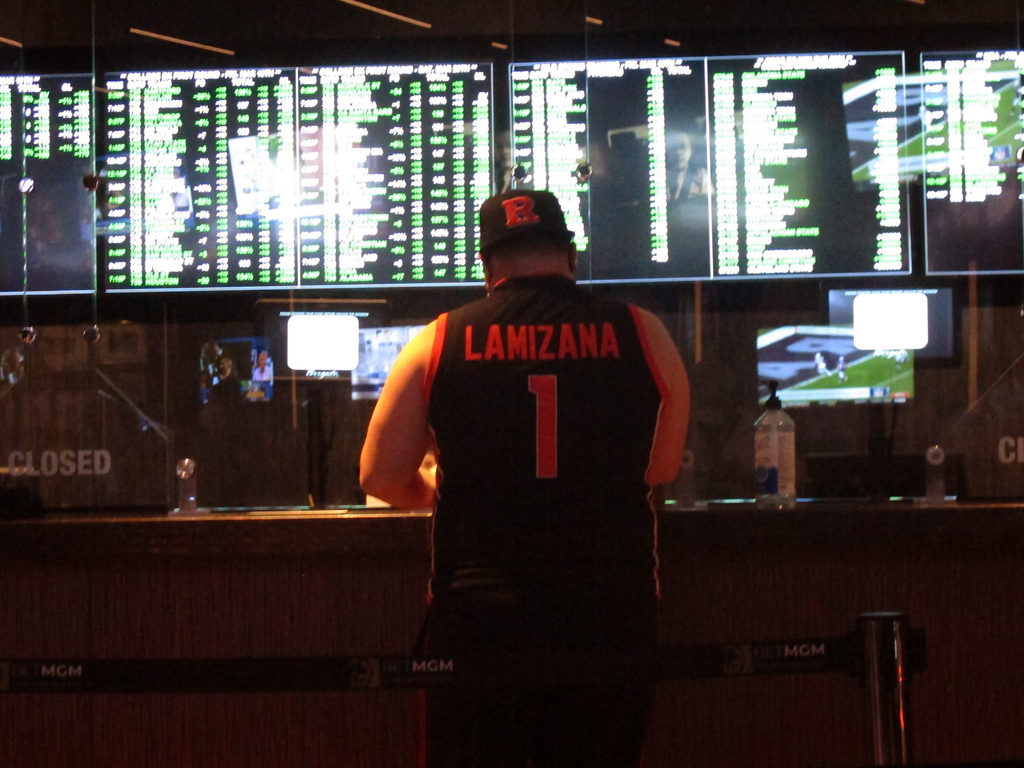
Daily, college athletes in the U.S. face abusive and vulgar messages from sports fans. Florida State forward Cam Corhen experienced this firsthand. After getting injured during a game, he found his phone filled with hateful messages, including one wishing harm on his mother. North Carolina forward Armando Bacot also received over a hundred disparaging messages for his performance shortly after legalized player prop bets were introduced in the state.
This abuse is widespread. One in three notable athletes encounter hostile messages from bettors. Student-athletes already juggle intense training, competitions, and academics. Now, with Name, Image, and Likeness (NIL) opportunities, they must maintain high online profiles, making them more vulnerable to harassment.
A federal solution is necessary. Current state laws are inconsistent and insufficient in protecting athletes from betting-related harassment.
Federal legislation could address this problem by establishing a national registry of banned bettors who engage in sports-related harassment. It would also allow athletes to sue perpetrators for repeated harassment.
At present, placing bets on player statistics through prop bets has increased harassment towards athletes. Some propose banning such bets on college sports, but this would face strong resistance from the gambling sector. A quicker solution involves federal legislation.
Efforts like the NCAA’s “Don’t Be a Loser” campaign aim to raise awareness. Yet, these initiatives lack enforcement. The legal framework in the U.S. regarding sports betting and harassment varies by state. Some states prohibit prop bets or implement banned bettor lists, but a fragmented system fails to comprehensively protect athletes.
Legislation must tackle online harassment linked to sports betting. A federal law could impose criminal penalties for online actions causing significant emotional distress. New York is considering a bill that criminalizes harassment of amateur athletes, and such individuals would be banned from betting.
National legislation would allow collegiate athletes to seek financial damages from abusers, targeting the financial frustration that drives such harassment. Critics may argue free speech violations, but the proposal focuses on true threats, not negative opinions on performance. The Supreme Court supports regulating speech intended to threaten.
Ultimately, fans can criticize athletes, but abuse is unacceptable. A federal approach ensures consistent accountability, offering uniform protection nationwide. College athletes accept competitive pressure but should not endure abuse off the field. Addressing this issue requires a commitment to athlete well-being alongside meaningful accountability measures.
Deymon X. Fleming, Jr. is a J.D. candidate at the University of Georgia School of Law.