Affordability Challenges and Income Disparities in the U.S.
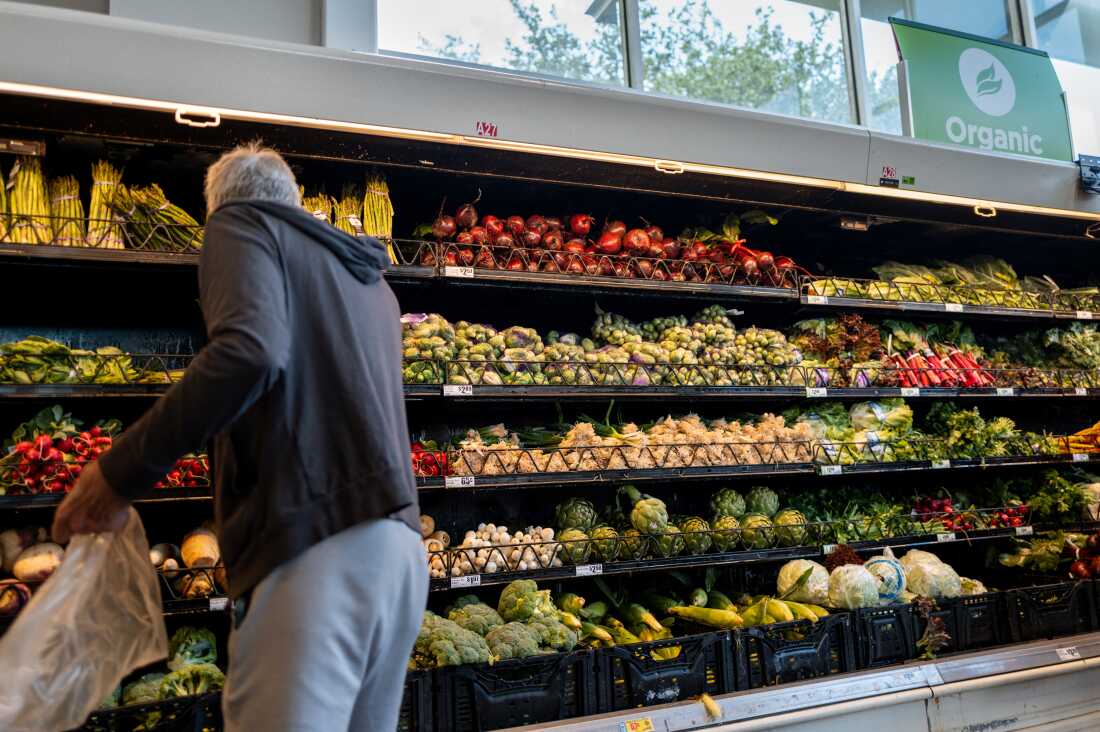
A new report from the Brookings Institution highlights the significant discrepancies between household incomes and the rising costs of necessities in the U.S. The research, released on Wednesday, indicates that in 2024, 45.5% of American households struggled to cover essential expenses due to insufficient earnings.
The situation is exacerbated by the stark contrast between wage growth and inflation. The Census Bureau reports that national wages only increased by 1.3% in 2024, while inflation reached 2.9%.
Income Versus Expenses
Andre Perry, director of Brookings’ Center for Community Uplift, emphasized the need to consider both inflation and income issues when discussing affordability. He noted that the focus has historically been on inflation alone.
Brookings researchers analyzed household income data from every U.S. county, comparing it to estimated costs for necessities such as food and transportation. Essential expenses like housing, healthcare, and childcare are significant burdens on families due to their largely uncontrollable nature.
The Impact on Families
Many households are forced to make tough choices, like skipping meals, accruing debt, and postponing medical care. The report showed differences across states and racial groups, with over half of families in New York state unable to sustain their living expenses in 2024.
Despite Washington, D.C., faring better than the national average, Black residents there were notably disadvantaged, falling more than 20 percentage points behind the district’s baseline. Conversely, Hispanic households performed slightly better.
A Persistent Problem
The affordability issue has persisted for over a decade, with more than 40% of households unable to afford necessities from 2014 to 2024, apart from 2021 and 2022. During those years, federal stimulus checks and other government aid temporarily improved financial stability.
As inflation surged and government support dwindled, many families faced renewed challenges in 2022. The report also cautions that new pressures might push additional households into financial insecurity post-2026.
Economic Divide
The Consumer Price Index increased by 3.8% in April, exceeding the Federal Reserve’s target of 2%. Gas prices, notably, spiked by 50% due to geopolitical events. A survey from the Federal Reserve Bank of New York found escalating food insecurity, similar to levels seen during the pandemic’s peak.
Recent tax refunds have been a relief for many, sustaining consumer spending, according to the Bank of America Institute. However, the growth in incomes mainly benefits higher-income families, with their earnings rising by 6% in April 2026 compared to the previous year, whereas lower earners saw only a 1.5% increase.
Economists refer to this as a “K-shaped economy,” where upper-income households experience disproportionate growth compared to lower-income families.
The Brookings report suggests that nearly 38 million households could manage expenses if hourly wages increased by $10. Achieving this would require overcoming the federal minimum wage freeze of $7.25 an hour since 2009.
“It’s dramatic, in the sense that we’re not doing that,” Perry remarked. “But can we do it? Yes.”