AI and Technology Aid Restoration of Basilica of Saint Francis of Assisi
Sergio Fusetti faced a daunting challenge after powerful earthquakes damaged the Basilica of Saint Francis of Assisi, leaving over 80,000 fragments unaccounted for. Nearly three decades later, Fusetti found a solution: artificial intelligence.
Partnering with art historians, software engineers, and Franciscan friars, Fusetti embraced digital technology to restore the basilica.
Historical Impact of Earthquakes
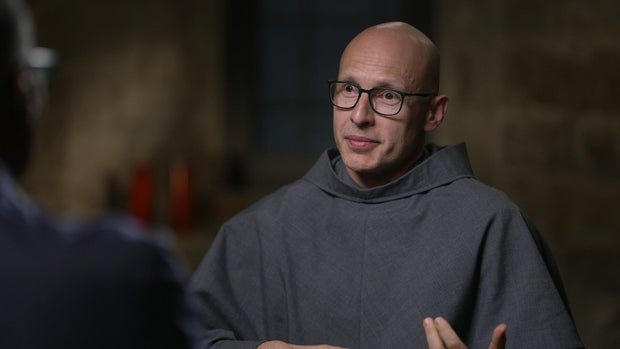
The Basilica of Saint Francis of Assisi, nestled in the hills of Umbria, is a significant Christian landmark. Renowned for its artistic heritage, it showcases work by medieval artists like Cimabue and Giotto. Since its construction, the basilica has withstood over 20 earthquakes. In 1997, two quakes struck consecutively, resulting in four deaths. Fusetti himself sustained injuries. Friar Guiulio Cesareo, a witness to the 1997 disaster, recalls his fear: “I am always terrified,” he said, remembering the structure’s fragility during the tremors. The destruction startled Italy, highlighting the fragile nature of historical architecture.
Modern Restoration Efforts
The basilica’s artworks underwent meticulous restoration. However, certain areas remained incomplete. Collaborating with Haltadefinizione, a tech company, friars utilized ultra-high-definition photography. Giovanni Borelli, the company’s Chief Technology Officer, led the creation of a digital twin of the basilica. This advanced camera technology captures details imperceptible to the human eye. Borelli’s team used cutting-edge tools including drones, cameras, and lasers to create a precise 3D blueprint. This digital twin, available next year, will aid future restoration efforts.
AI plays a crucial role in addressing the complexity of restoring missing pieces and damage in the church. Tasks that once took years can now be completed in minutes, efficiently managing issues like cracks and paint discoloration.
Preserving and Expanding Accessibility
Borelli aims to enhance art accessibility. The technology applied at the basilica has also captured Roman thermal baths, revealing forgotten spaces. Virtual reality technology further immerses users in historical experiences.
Reflecting on his journey from software engineer to art preservation, Borelli pondered the limits of digital representations. While virtual technology cannot replicate standing before history, it remains a powerful educational tool, allowing imagination to explore freely.
Friar Cesareo views technology as a pathway to share the basilica’s “treasure of faith and beauty.” “Technology helps us to go farther away, to reach more people than we could before,” he said, emphasizing its role in expanding outreach efficiently.