Airline Security Concerns After FlyDubai Incident
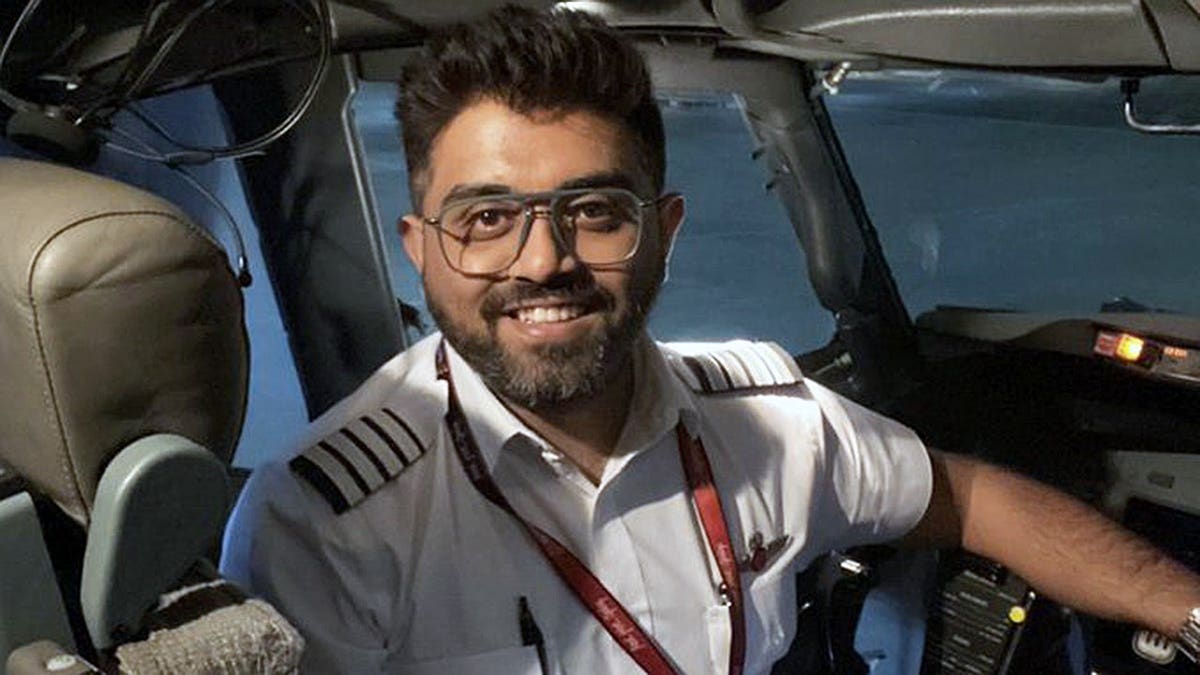
Retired Air Force Lt. Col. Buzz Patterson, who once carried the nuclear football for President Bill Clinton, expressed alarm over the potential presence of terror cells within foreign airlines. This concern follows an incident involving a FlyDubai copilot who allegedly attacked the captain mid-flight on a plane bound for Israel, causing the aircraft to plummet dangerously.
Patterson, a former Delta Air Lines pilot for 16 years, shared his thoughts with Fox News Digital. “There is a possibility that terror cells exist within airline companies overseas, which might be easier than domestically,” he noted. “It’s something the DOJ needs to consider seriously.” This comes after the FlyDubai flight from the UAE to Tel Aviv had to make a forced emergency landing in Saudi Arabia when the copilot attacked the captain, reportedly using a crash ax.
The FlyDubai flight carried 174 passengers and eight crew members. Investigators are examining the motives behind the attack, with terrorism and mental health issues being among the factors considered. These potential motivations have raised concerns about both public safety and national security.
Capt. Smit Machchhar, the Indian pilot allegedly attacked, received praise from Patterson as a “hero” for unlocking the cockpit door during the attack. This act of bravery was acknowledged by Israeli Prime Minister Benjamin Netanyahu, who remarked on the copilot’s possible “Islamist radical indoctrination” but noted that further investigation was required to confirm any connections to Iran.
Patterson explained that airlines, both domestic and international, often cast a broad net in recruiting aircrew members and pilots. Sometimes, this wide selection process may lead them to hire individuals with questionable backgrounds. While U.S. and foreign airlines conduct thorough background checks, medical history evaluations, and review aviation violations, identifying personality shifts or radicalization post-hiring remains challenging.
Another security concern highlighted by Patterson is the lack of familiarity between pilots who fly together infrequently. “Getting into a cockpit often means meeting a copilot for the first time,” he stated. “Initial conversations are important to gauge backgrounds and situations, although not all issues can be detected this way.”
Patterson emphasized the security loophole created by the presence of the 737 crash ax in cockpits. “The ax is easily accessible,” he pointed out. “In the cramped space, a copilot might use the pretext of stretching to retrieve it, leading to potentially dangerous situations.”
He urged the U.S. to scrutinize the hiring practices of both domestic airlines and foreign crews entering American airspace. “We must assess who operates heavy machinery like airplanes in our nation,” Patterson advised. “This involves evaluating our own hires and those coming from other carriers.”
Netanyahu noted to Fox News that the FlyDubai incident involved an Omani national who managed to bypass Israel’s diplomatic restrictions regarding pilots, a “loophole” that gives reason for concern.
Patterson concluded by stressing that despite improvements in aviation security post-9/11, much work remains to guarantee airline safety. “You never truly know about your fellow crew or passengers,” he remarked. “Some companies excel at security checks and vetting, while others fall short.”