Alberta’s Referendum on Separation: A Moment of Decision
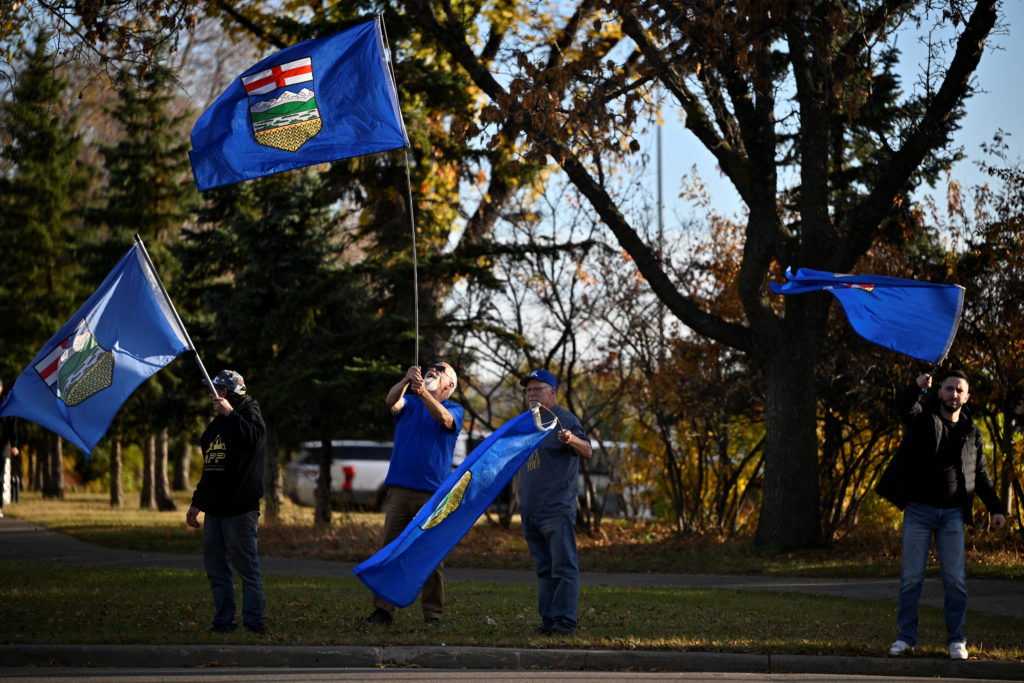
For decades, separatism in Alberta was seen as a fringe movement. On an upcoming vote, people in Canada’s oil-rich province will decide whether to initiate the process for a future referendum on separating from Canada. Alberta contains the world’s fourth-largest proven oil reserves, making any decision here significant.
Premier Danielle Smith, who supports staying within Canada, initiated this vote. She noted that around 23% of a recent poll favoured beginning the separation process. This figure, she mentioned, is higher than she’d prefer. Alberta has long had strains with the federal government over oil and power.
Both Pierre Trudeau and his son Justin Trudeau became unpopular in Alberta because of energy policies, including climate measures seen as harmful to the local oil industry.
Former Alberta Premier Jason Kenney observed that separatist parties often garnered only a minimal electoral share.
Events like the pandemic and the Freedom Convoy intensified separatist sentiments in Alberta.
The Freedom Convoy was triggered by vaccine requirements for cross-border truckers but expanded to broader discontent regarding pandemic restrictions. Jeff Rath, a key figure in the independence movement, cited federal vaccine mandates as his line in the sand. He argued that if Trudeau blocked travel from Alberta, he’d support moving the whole province elsewhere.
Kenney pointed out that the pandemic restrictions fueled separatism, allowing individuals to find allies through social media and organize. This activism aligned with certain global movements and ideologies, including elements sympathetic to Russia’s President Putin.
Prime Minister Mark Carney has sought to prioritize Alberta’s oil reaching new markets, which has helped him gain surprisingly positive receptions in conservative Alberta circles.
Carney’s energy policies oppose U.S. President Trump’s trade rhetoric, earning him approval from some in Alberta.
Jeff Rath emphasized the uphill battle separatists faced against prominent politicians opposing independence. He expressed optimism if separatists could reach over 30% support.
Efforts by separatists have extended to Washington, with meetings aimed at building relationships for Alberta as an independent entity.
Keith Wilson, another prominent figure in the separatist cause, revealed that the referendum aims to leverage and negotiate better terms with Ottawa, even if independence isn’t achieved.
Kenney stated that support levels similar to 10% or 20% could sustain momentum for the movement compared to historical levels. He mentioned that it poses no danger to Canada but might threaten the conservative movement.
Alberta isn’t the only province with national unity disputes. Quebec now has the Parti Quebecois in power, despite maintaining a low independence support level. A historical reference is the close 1995 Quebec referendum against independence.